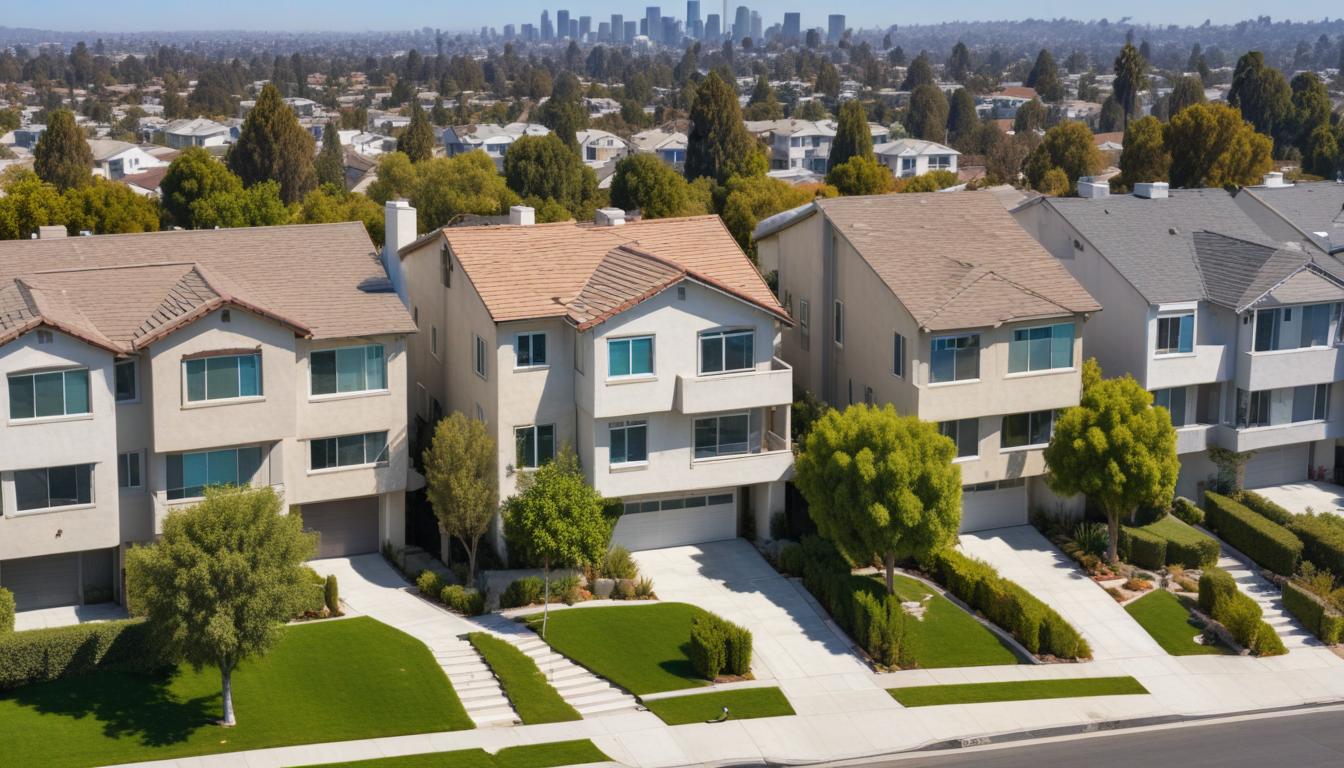
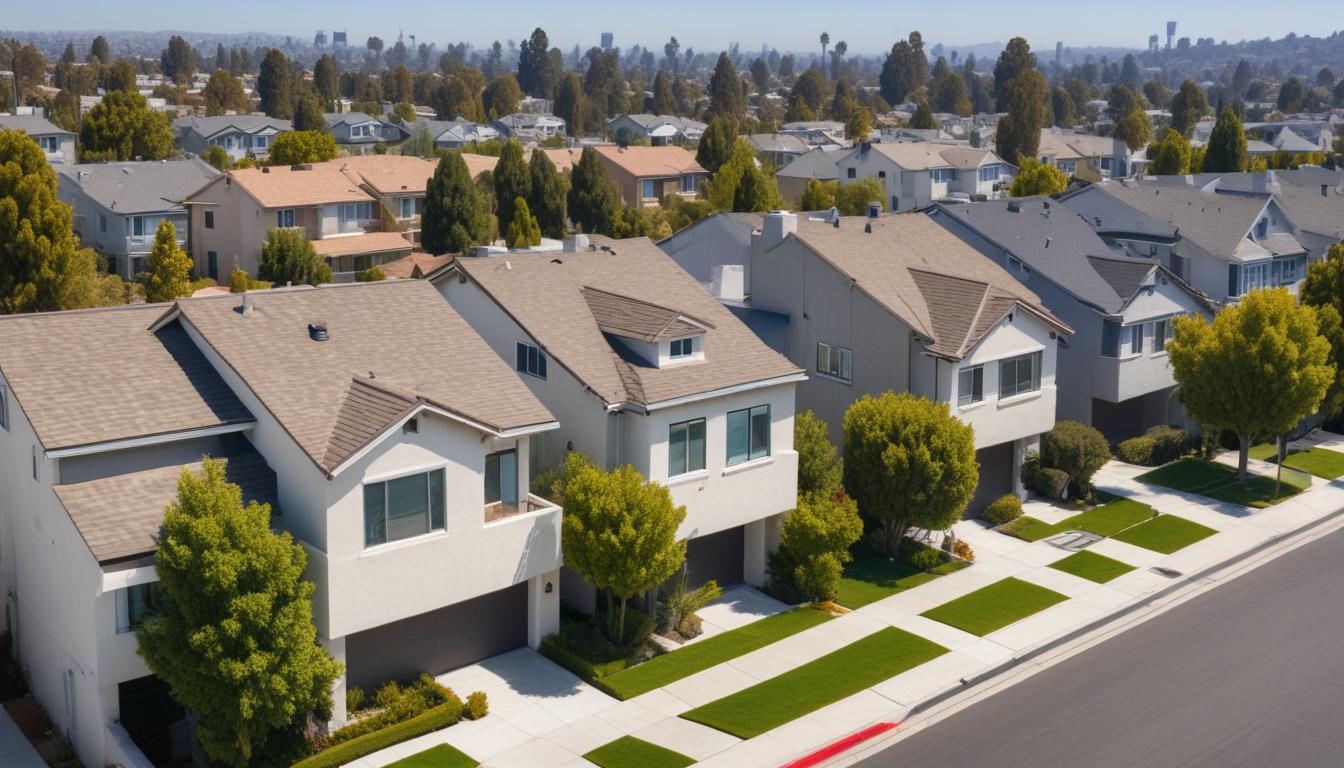
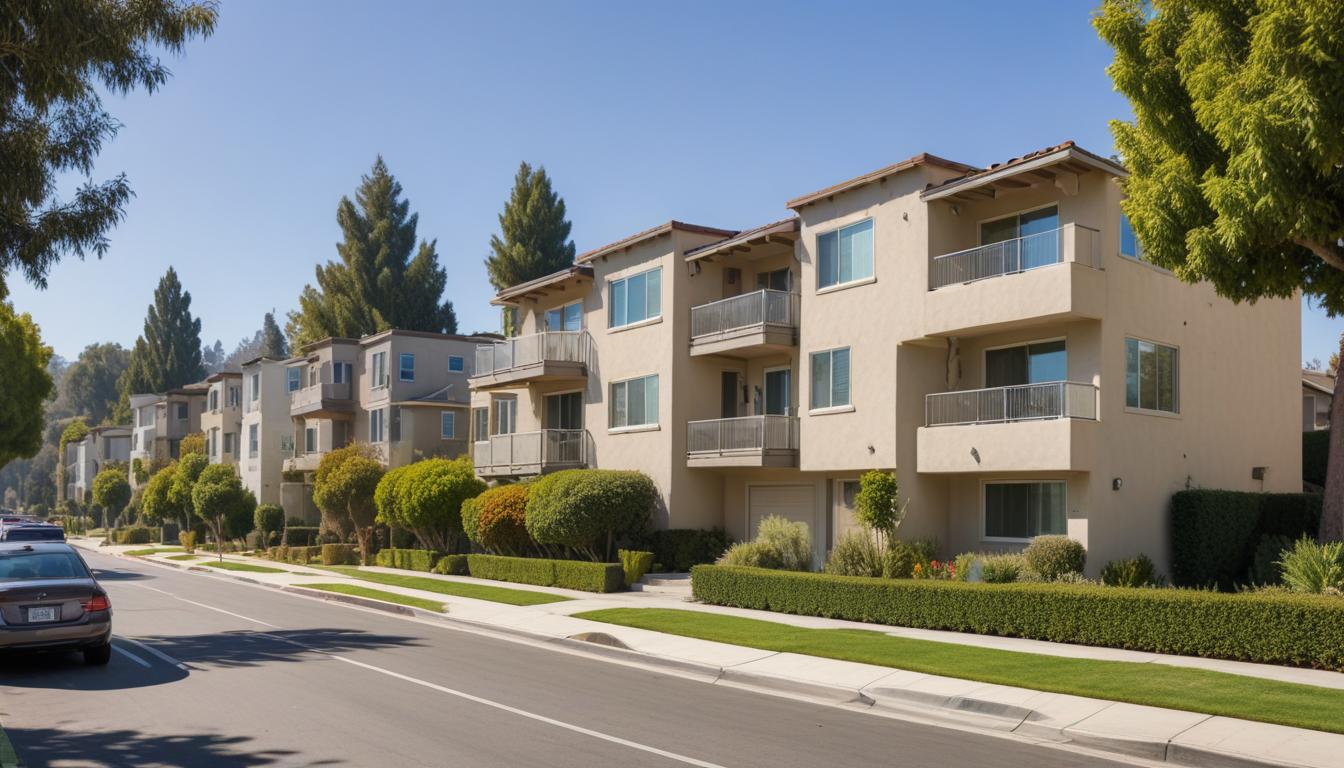
The luxury rental market in Los Angeles is experiencing a profound recalibration. Across Hollywood Hills, Bel Air, and the increasingly coveted Silver Lake-Echo Park corridor, the dynamics between property owners and tenants have shifted dramatically, reshaping how high-net-worth individuals approach residential real estate.
Recent market data reveals a telling picture. While the broader LA median sits around $870,000, luxury rental properties in prestigious neighbourhoods command monthly premiums that would have seemed unthinkable five years ago. A three-bedroom home in the Hollywood Hills now routinely rents for $12,000 to $18,000 monthly, while comparable Silver Lake properties fetch $8,000 to $12,000—representing year-on-year increases of 8 to 12 percent across premium stock.
For landlords, this presents an intoxicating opportunity. Property owners who've held assets through market cycles are capitalising on institutional investor competition and international demand for Los Angeles prestige addresses. Yet therein lies an emerging tension: as rents climb, the tenant pool shrinks. High-income professionals—entertainment industry executives, tech entrepreneurs, visiting international talent—increasingly view ownership as preferable to rental arrangements, particularly given relatively stable mortgage rates and the psychological appeal of equity accumulation.
The pressure falls hardest on mid-tier luxury renters. A family seeking a four-bedroom in Bel Air or Los Feliz now confronts monthly costs approaching $20,000, plus deposits and fees that rival down payments on properties in secondary markets. Industry observers note growing interest in alternative arrangements: lease-to-own structures, shorter-term furnished rentals, and cooperative ownership models are gaining traction among frustrated high-income tenants unwilling to commit to traditional long leases at inflated rates.
Institutional players—REITs and investment groups—have begun acquiring trophy properties along Sunset Boulevard and in the Hollywood Hills, converting owner-occupied residences into managed rental portfolios. This consolidation concerns traditional landlords, who worry about depersonalised property management eroding the service-oriented relationships that once characterised Los Angeles's luxury rental sector.
Meanwhile, the broader ecosystem adapts. Secondary neighbourhoods—East LA's emerging pockets, Arts District lofts, and the ongoing ADU boom across mid-city areas—are absorbing rental demand that premium addresses can no longer accommodate. Savvy renters are reconsidering geography, trading Hollywood Hills prestige for Echo Park's bohemian appeal or Silver Lake's creative cachet at substantially lower cost.
As we move through 2026, Los Angeles's luxury rental market reflects a market in transition—landlords maximising returns, tenants reassessing priorities, and the city's legendary neighbourhoods entering a new competitive era.
This article was compiled by AI from the sources linked above and screened before publishing. See our editorial standards.