The LA property market's most profitable secret isn't in the Hills anymore. While Hollywood Hills and Bel Air command premium prices that favour wealthy owner-occupiers over yield-hunting investors, the real returns are emerging in unexpected pockets across the city—and the numbers tell a story of demographic migration and neighbourhood transformation.
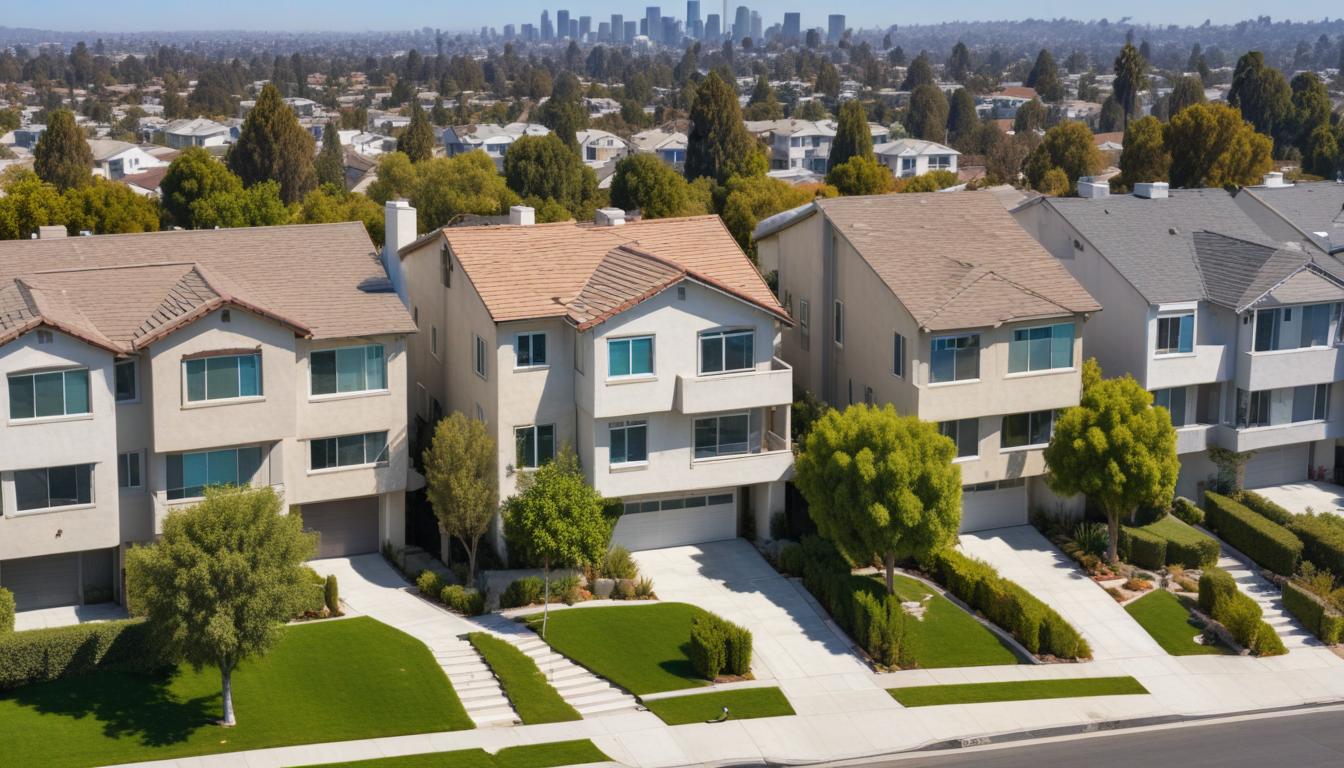
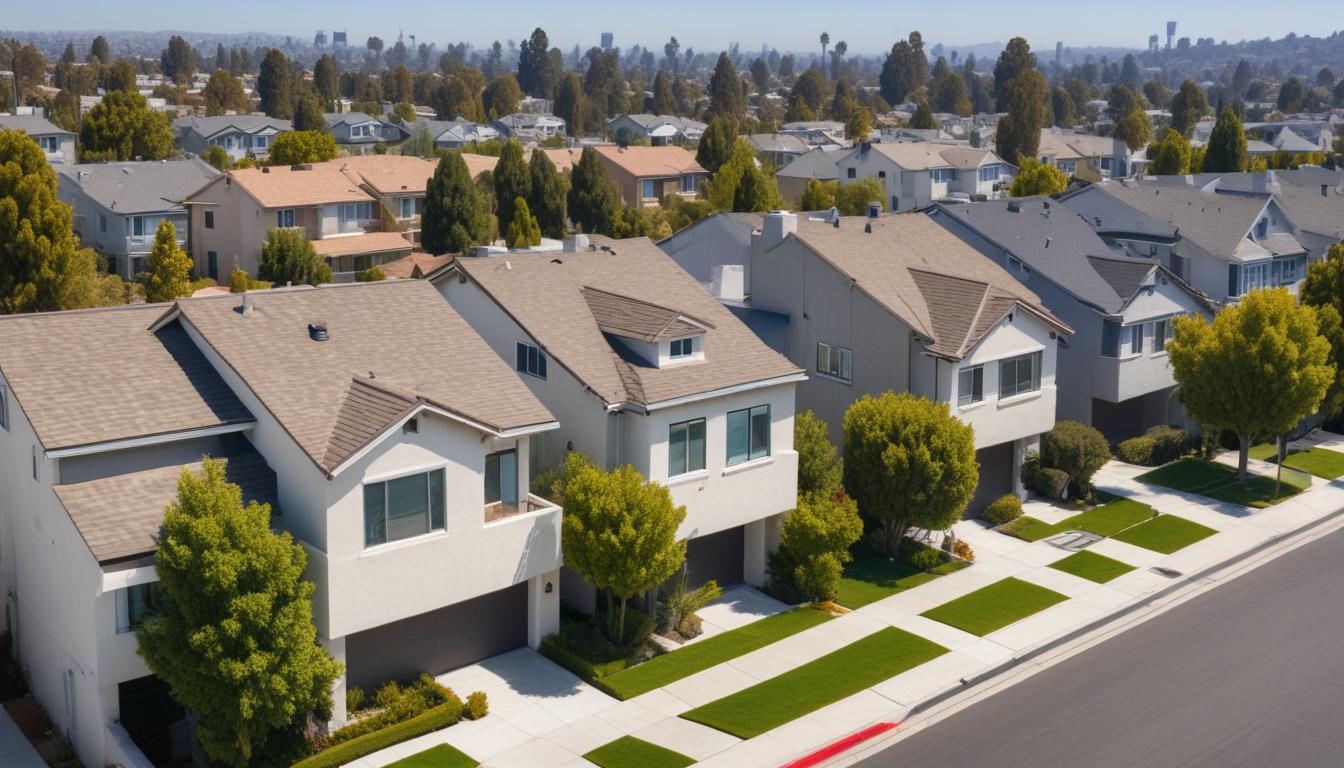
Long Beach and the South Bay suburbs have become yield-focused investor territory, with rental returns typically ranging between 4–5%, compared to the sub-3% yields in traditionally expensive areas. A modest two-bedroom property in Lakewood or Signal Hill that trades hands near $650,000 can generate $2,500–$2,800 monthly in rent, attractive arithmetic for buy-to-let portfolios that have weathered rising mortgage rates.
East LA's renaissance is attracting a different investor class. The neighbourhood's relatively lower entry points—still well below the city median—combined with strong long-term appreciation trends have drawn institutional attention. Properties along Whittier Boulevard and near the emerging arts corridor have seen double-digit annual appreciation rates, though yields remain modest at 2–3%, prioritising capital growth over immediate cashflow.
Silver Lake and Echo Park, once the darlings of trend-chasing investors, show signs of plateau. The median asking price in Silver Lake has stabilised near $1.2 million, and rental yields hover around 2.5%—respectable for owner-occupiers seeking lifestyle alongside investment, but uncompelling for pure yield players. Property turnover data suggests some investor saturation, with average time-on-market extending slightly.
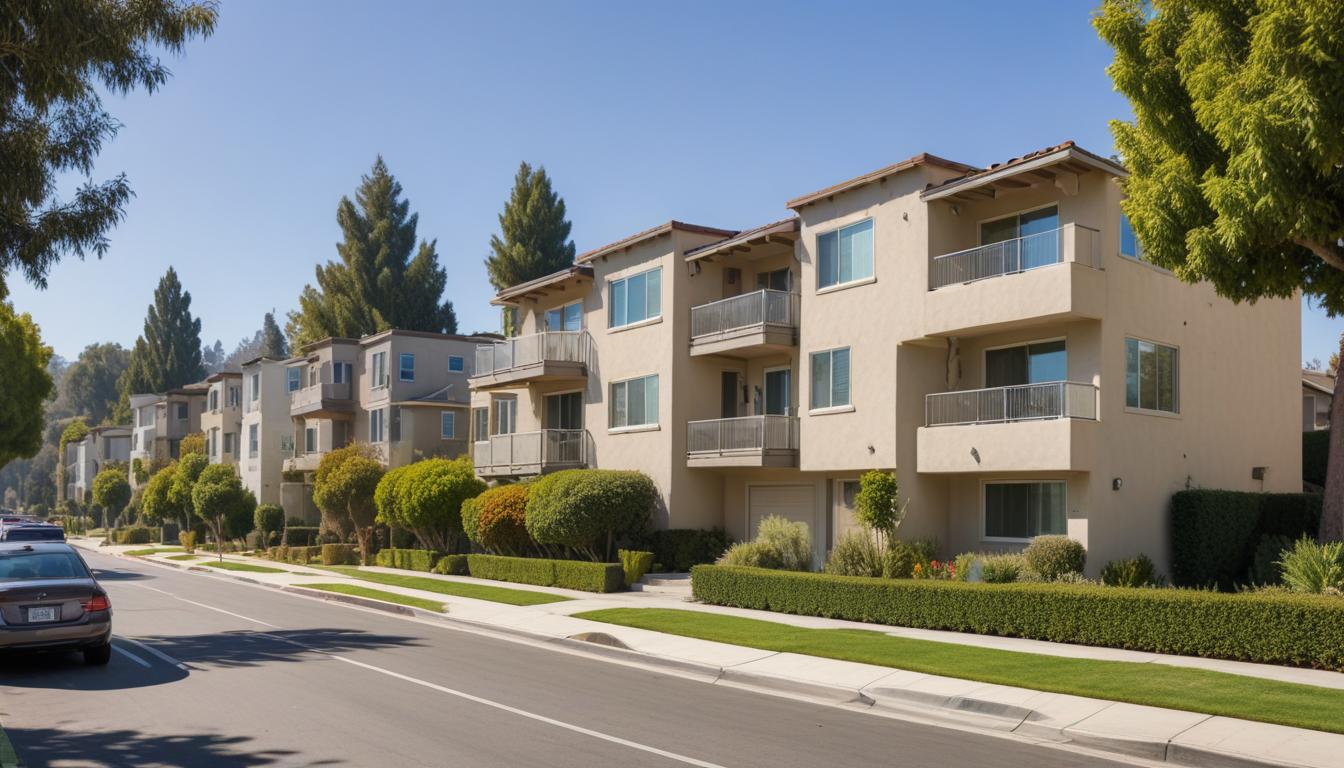
The ADU boom is reshaping investor calculus entirely. Properties with secondary units—particularly in Valley neighbourhoods like Koreatown and Mid-City—are generating stacked rental income that pushes yields above 5%. A $900,000 property with a legal ADU can produce $4,000–$5,000 combined monthly income, explaining why the city's ADU permitting surge has attracted capital from traditional real estate investors and newer players alike.
Downtown LA presents a mixed picture. While recent residential development near Grand Central Market and along the Arts District has attracted owner-occupier interest, investor yields remain challenged by high construction premiums and evolving tenant demographics, typically delivering 2.5–3.5% returns.
The data confirms what savvy investors already know: LA's yield opportunity has bifurcated. The city's premium neighbourhoods now serve appreciation-focused, capital-rich buyers. Meanwhile, South Bay suburbs and ADU-equipped properties in transitional areas are where spreadsheet-watching investors find actual cashflow. As rates stabilise and the market matures, that geographic divide will likely sharpen further.
This article was compiled by AI from the sources linked above and screened before publishing. See our editorial standards.