Why LA Home Prices Keep Climbing: What Buyers Must Know Right Now
Supply shortages, investor competition, and remote work migration are reshaping the market—and your options.
Supply shortages, investor competition, and remote work migration are reshaping the market—and your options.
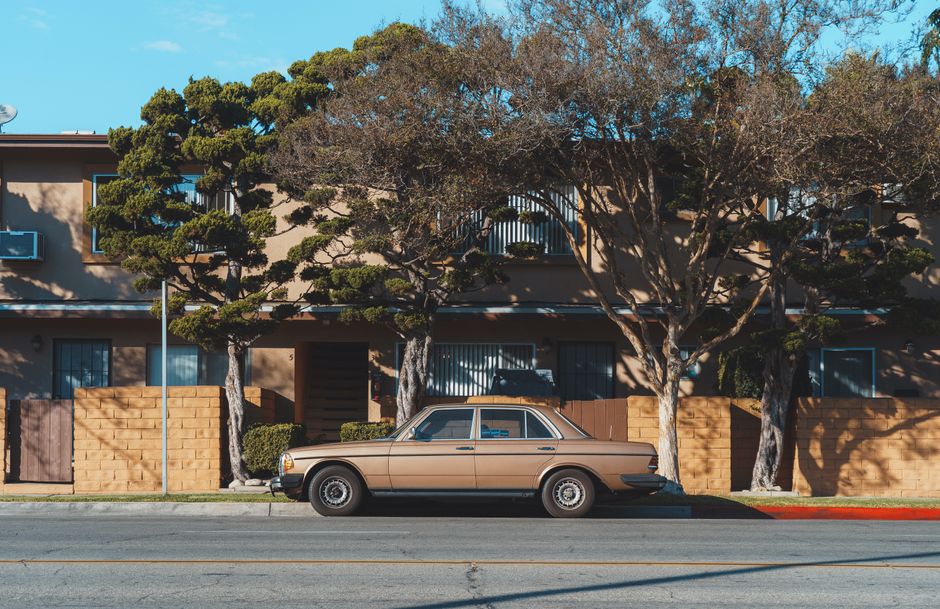
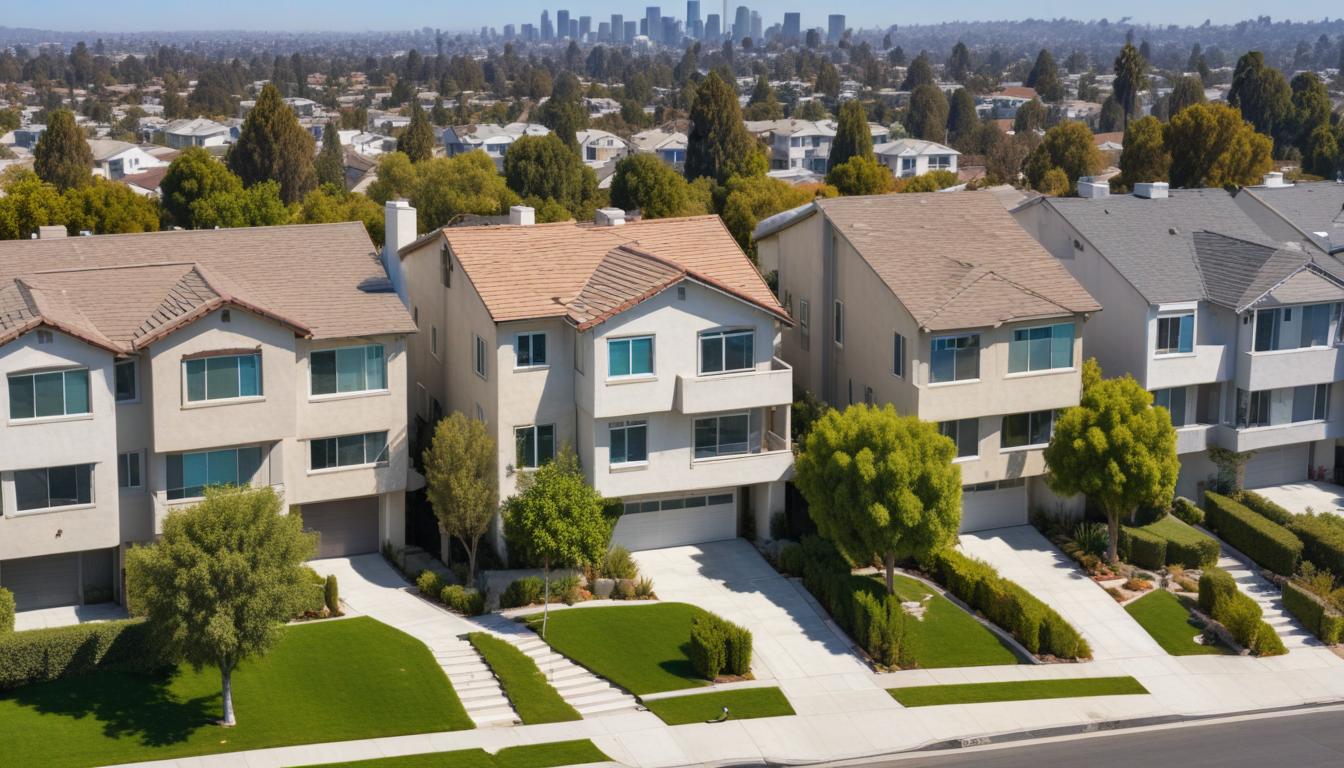
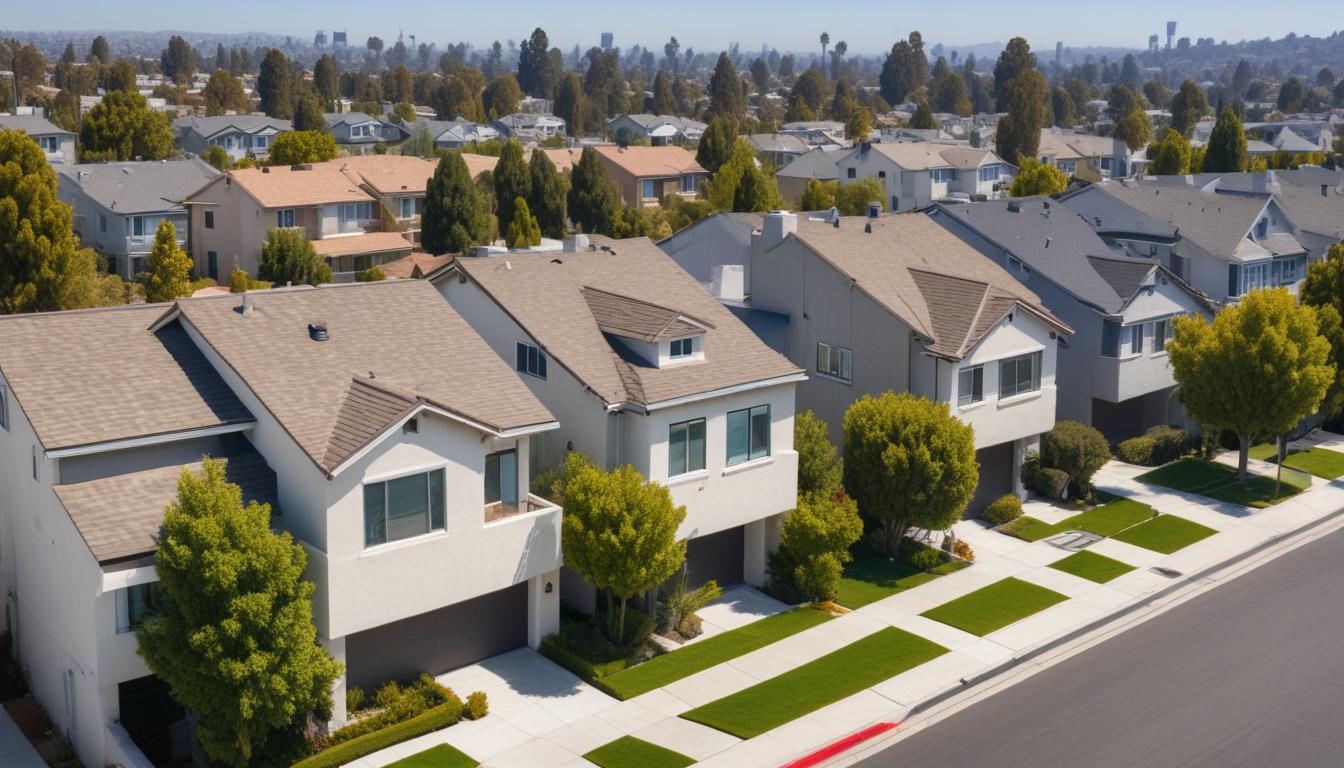
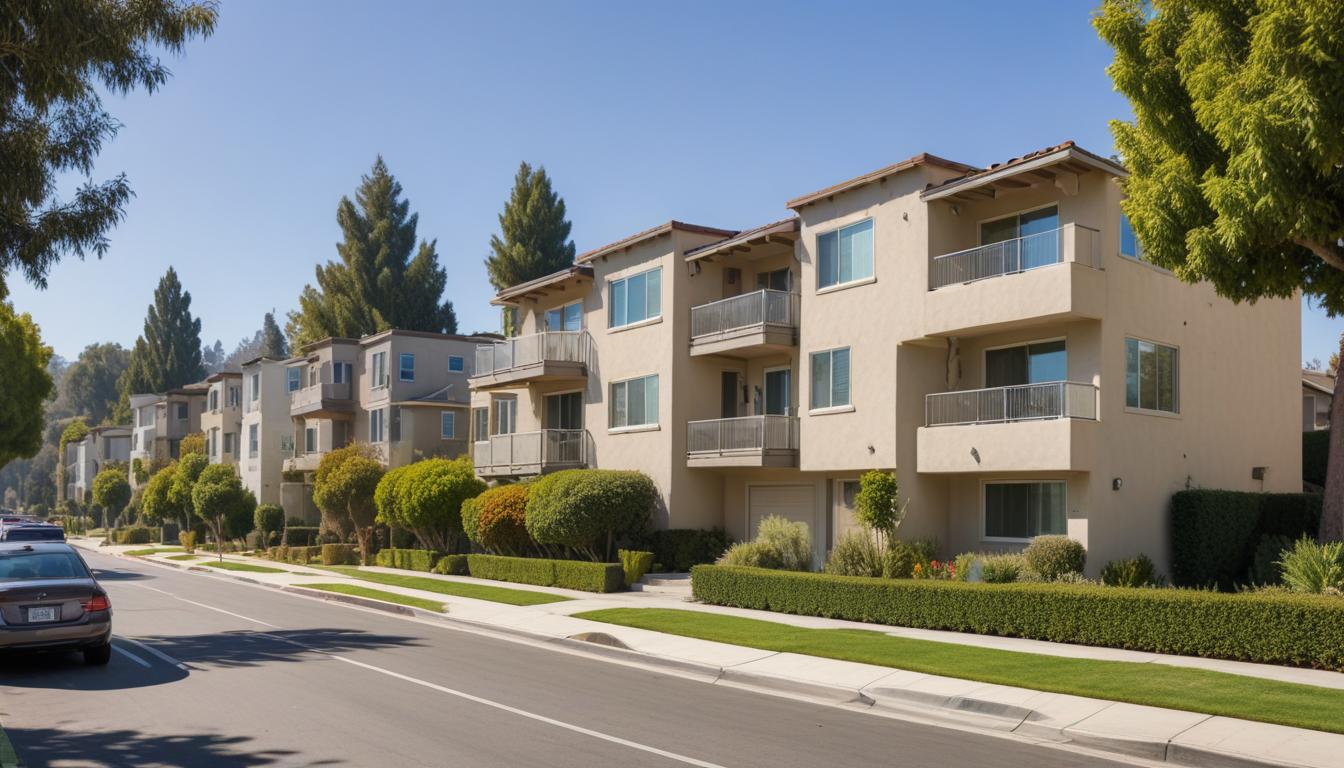
Los Angeles's median home price hovering near $870,000 tells only part of the story. Behind those numbers lies a complex mix of forces reshaping where and how Angelenos buy, forcing savvy buyers to reassess their strategies in a market that's fundamentally different from even two years ago.
The primary culprit remains what it's been for a decade: supply. Despite an aggressive push toward accessory dwelling units across the city—with neighborhoods from Los Feliz to Boyle Heights now peppered with ADU construction—new housing still can't match demand. The LA Times recently reported that the city approved over 2,000 ADU permits in 2025 alone, yet overall housing inventory remains critically tight. On Mulholland Drive and throughout the Hollywood Hills, where $5 million compounds sit vacant as investment vehicles, the paradox stings most sharply: scarcity amid abundance.
Investor capital has intensified competition. Institutional buyers continue circling affordably-priced neighborhoods in East LA and South LA, where properties under $750,000 move quickly. Meanwhile, remote work's initial post-pandemic boost has stabilized—fewer New York and San Francisco workers are fleeing westward, but enough migration persists to sustain pressure in Silver Lake and Echo Park, where a modest two-bedroom now routinely fetches $1.2 million.
Interest rates, which dipped early 2026, have stabilized around 6.4 percent, moderating the desperation of late 2024 but still keeping monthly payments elevated. For a $750,000 purchase, buyers are looking at roughly $4,500 monthly mortgage payments before property taxes and insurance—a figure that excludes many middle-income households.
What should buyers prioritize now? First, expand your geographic lens. East LA's growth trajectory rivals Silver Lake's from a decade ago, with properties in Boyle Heights and Highland Park offering better value than increasingly saturated Westside markets. Second, recognize that waiting no longer works as a strategy; each quarter sees incremental price increases rather than dramatic shifts. Third, maximize your financing options—FHA loans and first-time homebuyer programs through organizations like the Community Development Trust can unlock possibilities.
Finally, accept that the $870,000 median represents a weighted average skewed by Bel Air and Brentwood estates. Your neighborhood's actual market may differ significantly. In Echo Park, expect to pay premium prices; in Lincoln Heights, you'll find relative breathing room. The LA market isn't collapsing—it's fracturing into tiers, rewarding informed buyers who understand their neighborhood's fundamentals over those chasing headlines.
This article was compiled by AI from the sources linked above and screened before publishing. See our editorial standards.
How does this story make you feel?
Spread the word
About this article
Published by The Daily Los Angeles
Daily brief
Free, in your inbox before 7am. Weekdays.
More in Property