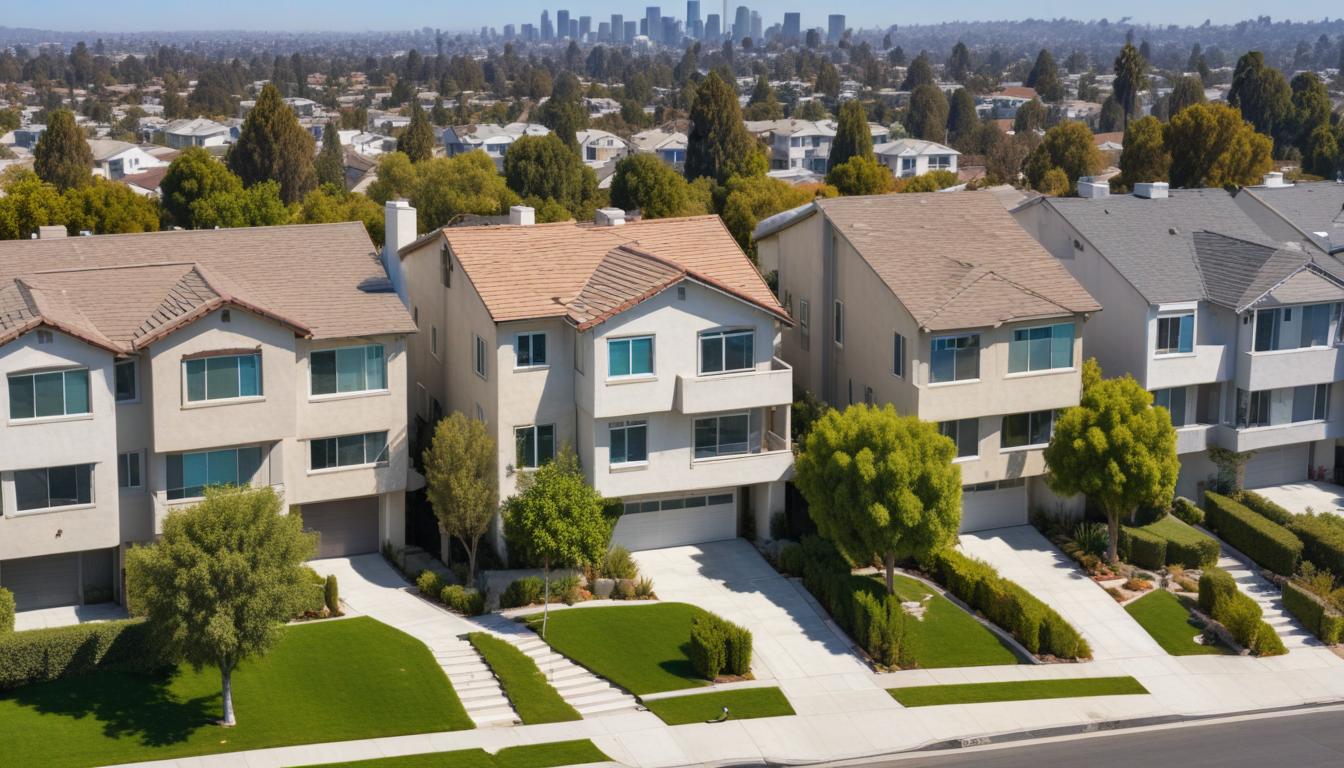
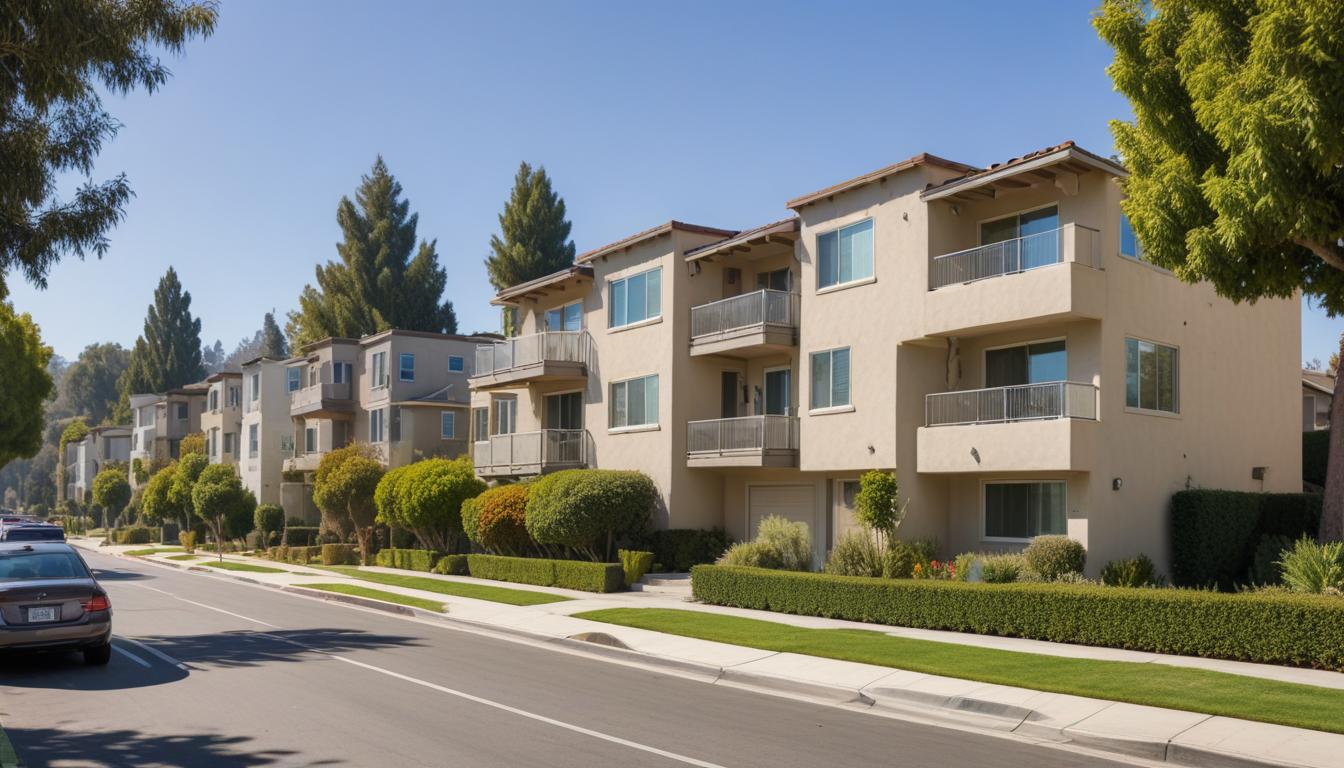
Los Angeles has quietly engineered one of its most significant housing policy shifts in a decade, and the market is responding in real time. Recent amendments to the city's zoning code—particularly those governing accessory dwelling units and mid-rise residential development—are fundamentally altering where and how affordable housing gets built across the metropolitan area.
The changes centre on two critical planning decisions. First, the streamlined ADU approval process, which eliminated conditional-use permits in many single-family zones, has turbocharged construction in neighbourhoods from Los Feliz to Eagle Rock. Second, modifications to density requirements in areas like East LA and Downtown LA now permit taller buildings on smaller footprints, a shift developers say makes affordable units economically viable where they previously weren't.
The numbers tell a compelling story. ADU permits in LA tripled year-on-year following the policy change, with particular density around Boyle Heights and El Sereno, where median home prices hover near the city's $870,000 benchmark. Property owners who might have hesitated before now see accessory units as a straightforward path to rental income—and planners see them as a crucial supply lever.
But the impact extends beyond single-unit properties. In Silver Lake and Echo Park, where median values exceed $1.2 million, developers are now proposing mixed-income projects that were previously constrained by outdated lot-coverage rules. One notable application along Sunset Boulevard would have been impossible under the old code; under the revised framework, it delivers 30 percent affordable units while remaining financially feasible for the builder.
East Los Angeles has emerged as the real story. With land values substantially lower than West LA and long-standing community advocacy for new housing, the planning reforms have created a window for institutional investment. Non-profit housing developers report unprecedented pipeline activity in the area, driven by policy certainty.
Industry observers note the reforms mirror broader shifts in California's housing policy landscape, though LA's implementation has been notably local. Rather than top-down mandates, the city council opted for zoning flexibility—a softer approach that has gained traction with developers who appreciate the regulatory clarity.
Housing advocates offer measured optimism. The policy changes don't solve LA's fundamental affordability crisis—median rents remain punishing across most neighbourhoods—but they've removed genuine barriers. The next variable: whether local opposition slows approvals once projects reach community stage, a pattern that has derailed earlier housing initiatives in neighbourhoods like Bel Air and the Hollywood Hills.
This article was compiled by AI from the sources linked above and screened before publishing. See our editorial standards.