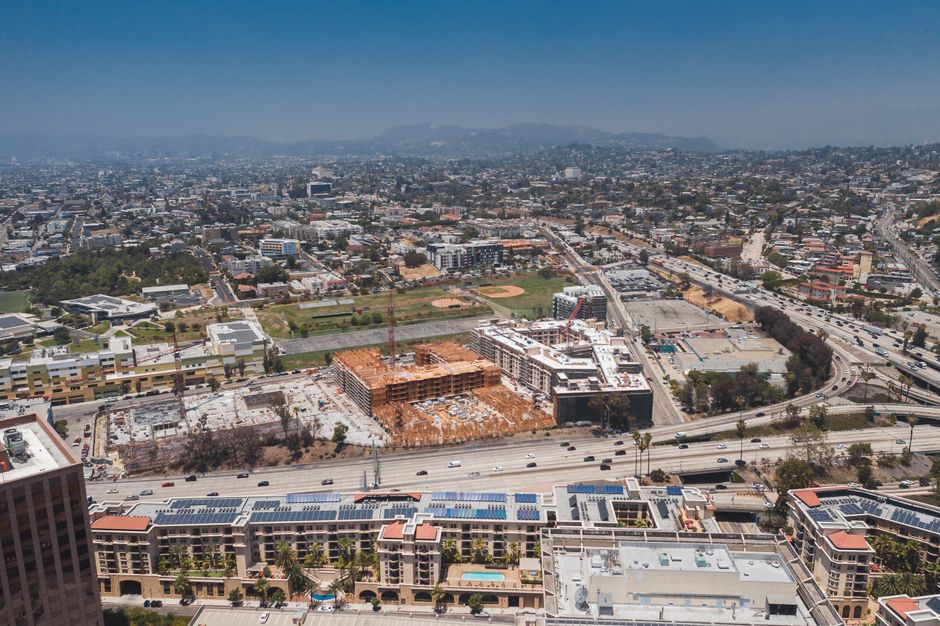
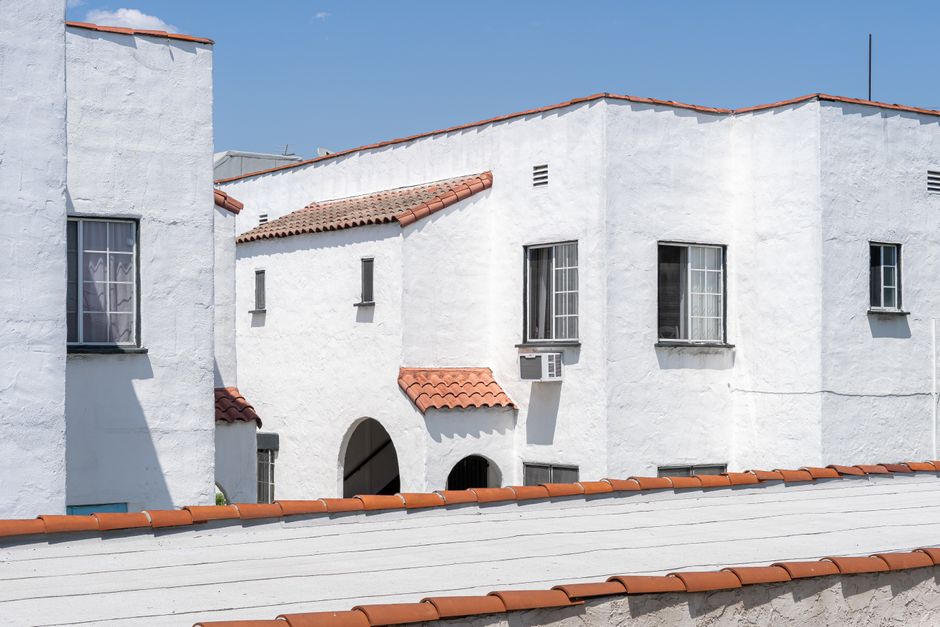
Los Angeles's luxury property market is entering a new chapter. With the median home price hovering around $870,000 citywide, a wave of high-end development projects is concentrating wealth and architectural ambition in pockets of the city that have long commanded prestige—while simultaneously reshaping the neighbourhoods themselves.
The most visible transformation is unfolding in Bel Air and the Hollywood Hills, where ultra-luxury residential towers and gated compound developments are proliferating. These aren't incremental additions; they're statement pieces designed to attract global capital. A $95 million spec mansion on Trousdale Drive closed earlier this year, signalling that developers view these hills as comparable to Singapore's Sentosa or Dubai's Palm Jumeirah. What's emerging is a tier of ultra-luxury that exists largely separate from the broader Los Angeles market.
Meanwhile, Silver Lake and Echo Park—neighbourhoods that topped wish lists for creative professionals just five years ago—are experiencing a different kind of luxury inflection. Developers are converting heritage industrial spaces and mid-century apartment blocks into high-end mixed-use projects that blend retail, hospitality, and residential. These developments anchor themselves to the neighbourhoods' bohemian cache whilst introducing price points ($3.5M+ for a three-bedroom penthouse) that fundamentally alter who can afford to live there.
The infrastructure implications are substantial. New developments in these areas demand upgraded water and electrical systems, enhanced security frameworks, and often private amenity spaces—gyms, cinemas, rooftop gardens—that further stratify living standards. Parking, always contentious in LA, becomes a luxury amenity rather than a utility, with some Bel Air projects allocating eight spaces per unit.
What distinguishes 2026's development boom from earlier cycles is intentionality around neighbourhood identity. Developers aren't simply maximising units; they're curating experiences. A $480 million mixed-use project near Sunset Boulevard in Hollywood Hills incorporates a private museum space and artist residencies—acknowledging that luxury now encompasses cultural capital, not merely square footage and views.
The economic ripple effects are complex. Local restaurants, galleries, and boutiques benefit from high-net-worth residents' spending patterns. Property tax revenues increase. Yet existing residents in gentrifying zones face displacement pressure, and housing accessibility—already dire—worsens. The Eastside's growth trajectory, particularly in Boyle Heights and Highland Park, partly reflects residents priced out of traditionally upscale zones.
As these developments reshape neighbourhoods, they're also reshaping Los Angeles itself. The question isn't whether luxury will dominate—it clearly will—but whether it will coexist with the affordability and diversity that once defined the city's character.
This article was compiled by AI from the sources linked above and screened before publishing. See our editorial standards.