Affordable Housing Los Angeles: Bonds Show 4.5-6.2% Returns
LA affordable housing bonds deliver competitive returns while funding developments in Boyle Heights, Silver Lake, and Echo Park for households earning $26k-$70k annually.
LA affordable housing bonds deliver competitive returns while funding developments in Boyle Heights, Silver Lake, and Echo Park for households earning $26k-$70k annually.
Los Angeles's affordable housing crisis has traditionally been framed as a moral imperative, but a quieter story is emerging in the numbers: investors backing social housing projects are seeing returns that rival conventional real estate plays—and some are beating them.
This year, the city's Community Development Trust and similar funds managing affordable units across East LA, Silver Lake, and Echo Park are reporting yields between 4.5 and 6.2 percent on mixed-income developments. That's competitive with traditional multifamily investments while serving households earning 30 to 80 percent of area median income—currently $26,000 to $70,000 annually in Los Angeles County.
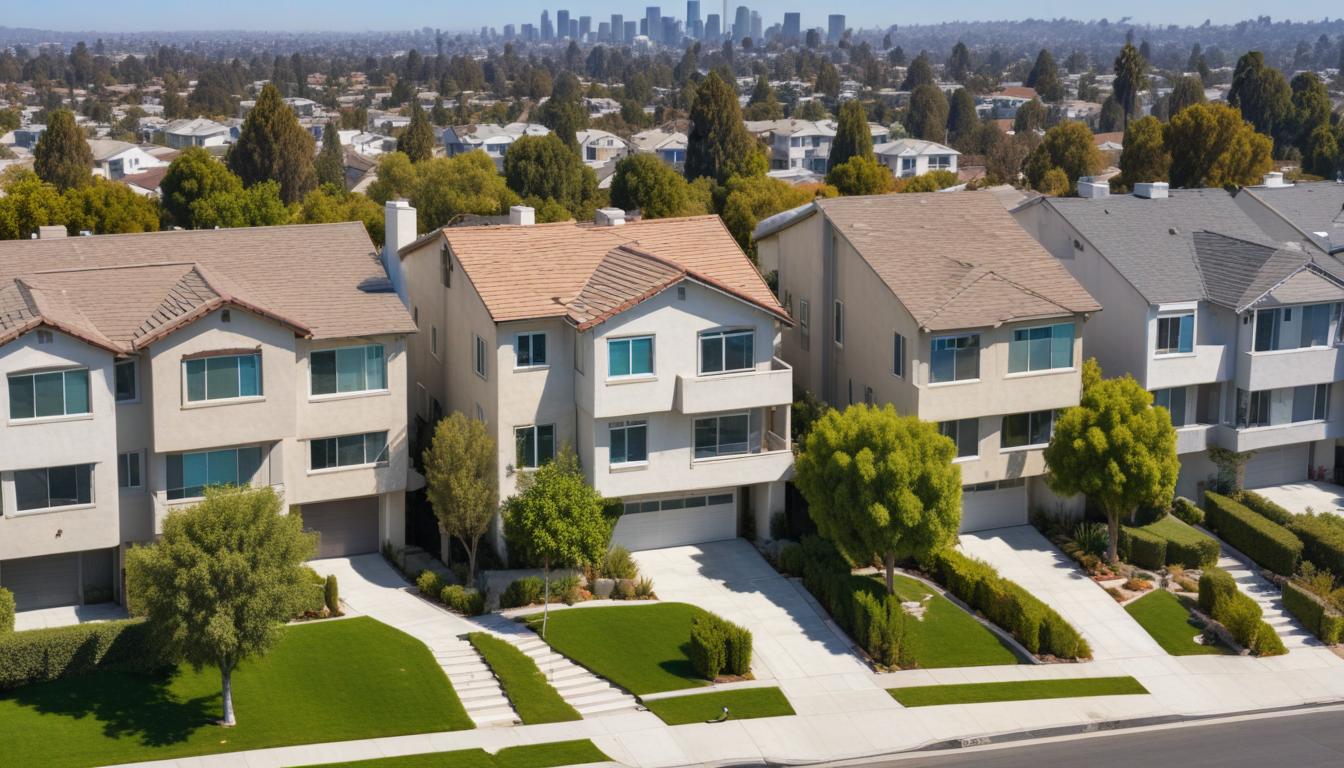
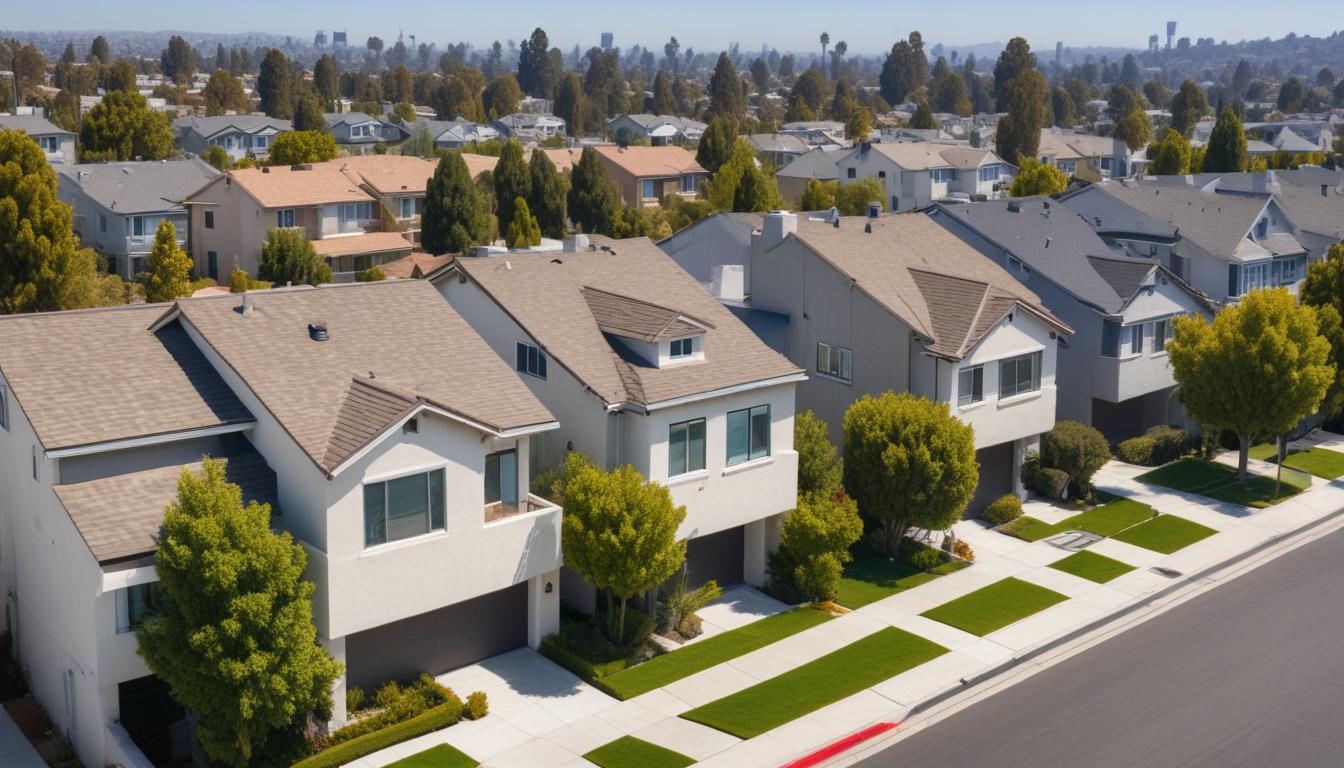
The mechanics are straightforward. A typical project on, say, Cesar Chavez Boulevard in Boyle Heights might combine market-rate units (commanding $2,200–$2,600 monthly rents) with deed-restricted affordable stock. Federal low-income housing tax credits, state affordable housing funds, and city development fees create a subsidy layer that allows investors to accept lower yields on the affordable portion while the market units subsidize operational costs. The result: a blended return that remains respectable even as vacancy rates hover near 3 percent across the region.
Data from the LA Housing Department shows that since 2023, nearly $1.2 billion has flowed into affordable projects through institutional investors—pension funds, foundations, and specialized REITs. The average hold period is 15 to 25 years, with predictable cash flows backed by long-term leases and government subsidy contracts. For comparison, conventional apartment buildings in Silver Lake and Echo Park are selling at cap rates of 3.8 to 4.1 percent, meaning affordable housing funds are offering slightly higher yields with arguably lower vacancy risk.
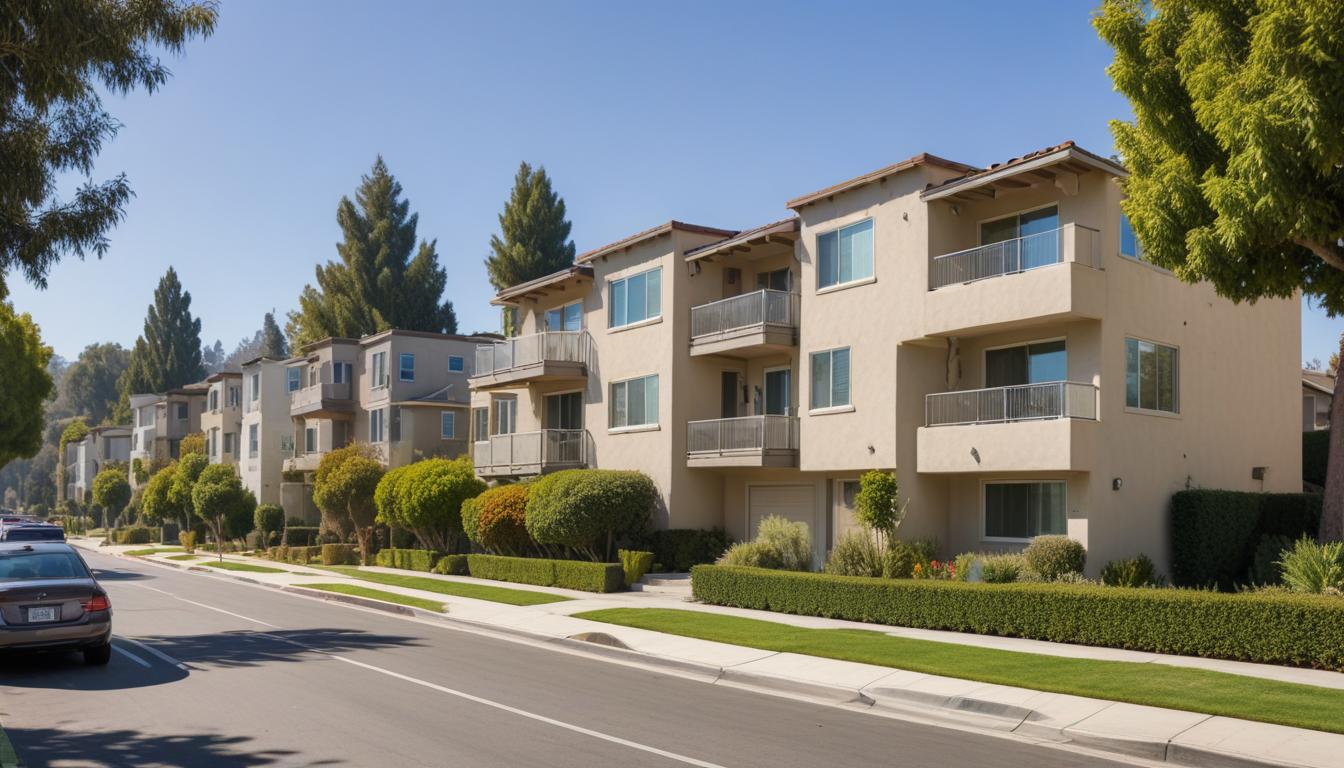
The ADU boom sweeping East LA has also attracted investor attention. Smaller projects with 8 to 15 units can achieve 5.5 percent returns with lower transaction costs and faster development timelines than 100-unit complexes in Hollywood Hills's shadow.
However, challenges remain. Rising construction costs—labor and materials are up 18 percent since 2022—are squeezing margins. Regulatory uncertainty around zoning changes and rent control amendments keeps some cautious capital on the sidelines. And the city's clearance of vacant land, sometimes sold for nearly $2 million per parcel despite weak auction activity, is inflating acquisition costs for developers.
Still, the emerging narrative is clear: affordable housing isn't charity masquerading as investment. For patient capital willing to navigate bureaucracy and embrace longer hold periods, the returns are real—and the social impact measurable.
This article was compiled by AI from the sources linked above and screened before publishing. See our editorial standards.
How does this story make you feel?
Spread the word
About this article
Published by The Daily Los Angeles
Daily brief
Free, in your inbox before 7am. Weekdays.
More in Property