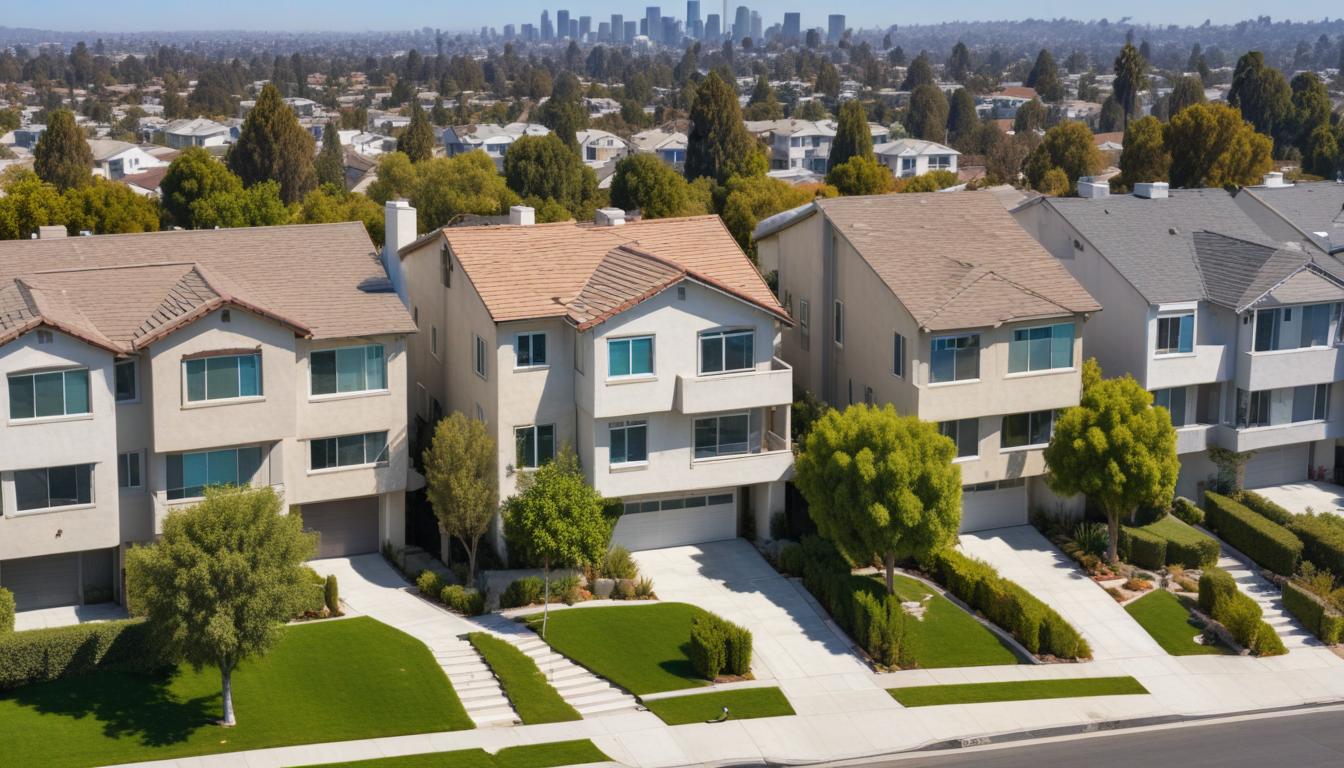
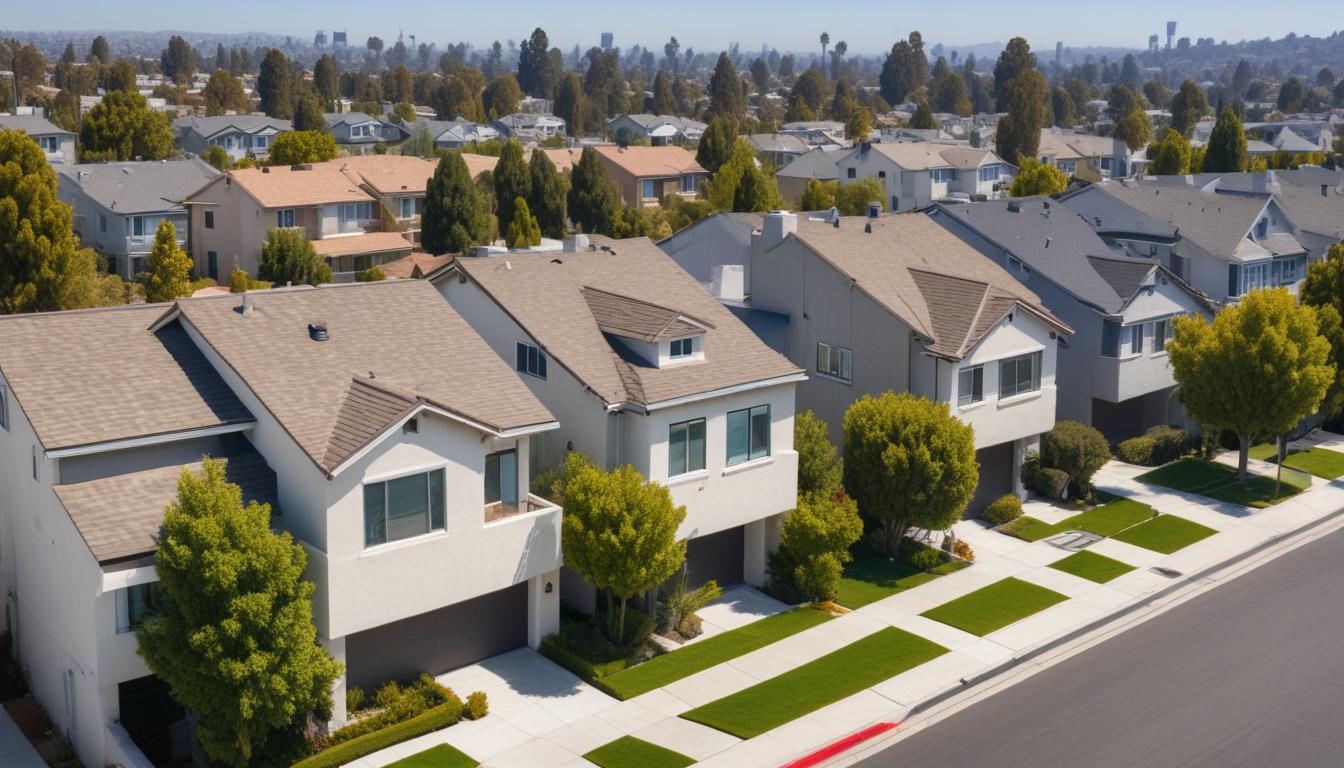
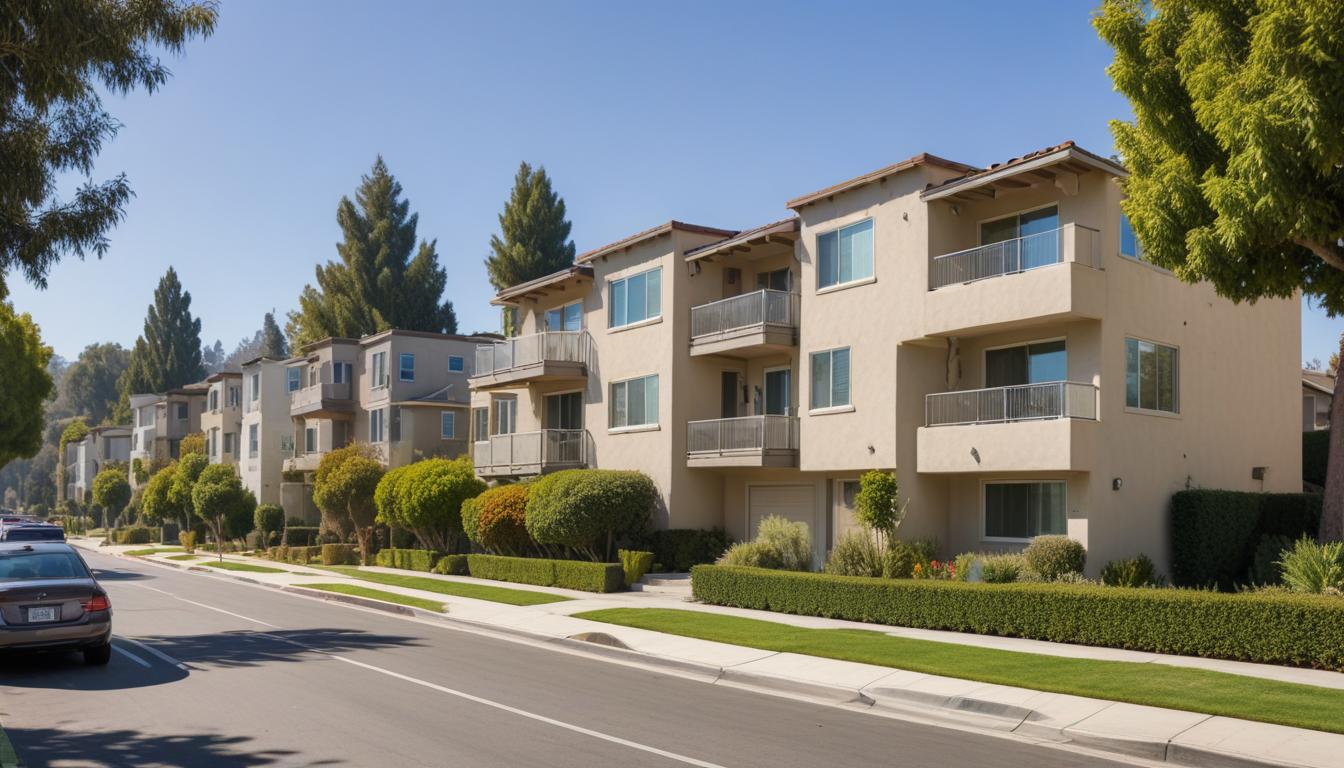
Luxury Rental Squeeze: How LA's High-End Market Is Reshaping the Game for Landlords and Tenants
As vacancy rates tighten and rents climb in prestigious neighbourhoods, both property owners and renters face unprecedented pressure.
As vacancy rates tighten and rents climb in prestigious neighbourhoods, both property owners and renters face unprecedented pressure.
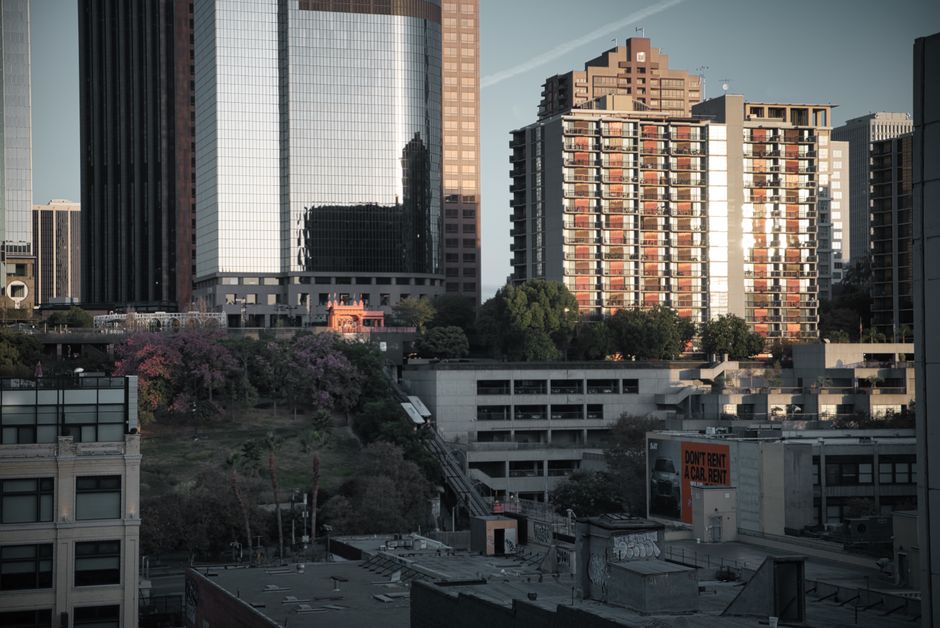
Los Angeles's luxury rental market is undergoing a dramatic shift. With the median home price hovering near $870,000 and penthouses in Hollywood Hills commanding rents exceeding $15,000 monthly, the traditional landlord-tenant relationship has fractured under the weight of unprecedented demand and limited supply.
In coveted pockets like Silver Lake and Echo Park, where young professionals and creative types once found relative affordability, monthly rents for two-bedroom apartments now regularly exceed $4,500. Estate agents report that premium properties—those with Architectural Digest-worthy interiors and proximity to cultural hubs like the Broad Museum or Griffith Observatory—are leasing within days of listing.
The crunch is forcing both sides into unfamiliar territory. Landlords in Bel Air and the Hollywood Hills are increasingly demanding 12-month minimum leases and requiring tenants to provide proof of income at 2.5 times the monthly rent, a threshold that excludes even well-employed renters. Meanwhile, institutional investors acquiring multi-unit complexes along Sunset Boulevard are raising rents aggressively, sometimes by 20-30% upon lease renewal, displacing long-term tenants who can no longer afford to stay.
Yet the picture is paradoxical. Despite strong demand, some luxury landlords are discovering that premium doesn't guarantee occupancy. A $8,000-per-month penthouse on Mulholland Drive may attract viewers, but securing a qualifying tenant—particularly one willing to accept strict terms—has become increasingly difficult. Property managers report longer vacancy periods than anticipated, forcing some owners to lower asking prices or offer concessions like free parking or furnished options.
For renters, the squeeze is existential. The growing popularity of accessory dwelling units (ADUs) in East LA and the San Fernando Valley represents a desperate attempt by some families to generate rental income to offset their own housing costs. This trend, accelerated by California's recent ADU reforms, has created a secondary rental market, though often at prices still unaffordable for those earning median incomes.
Real estate analysts suggest the market may be approaching inflection. Rising interest rates have tempered investor appetite for acquisition, while remote work flexibility is driving some high-earners toward secondary markets in Palm Springs or Orange County. For LA's luxury rental sector, the question is whether landlords and tenants can recalibrate expectations, or whether the current standoff—marked by higher prices, stricter terms, and longer vacancies—represents the new normal for prestige properties across the city.
This article was compiled by AI from the sources linked above and screened before publishing. See our editorial standards.
How does this story make you feel?
Spread the word
About this article
Published by The Daily Los Angeles
Daily brief
Free, in your inbox before 7am. Weekdays.
More in Property