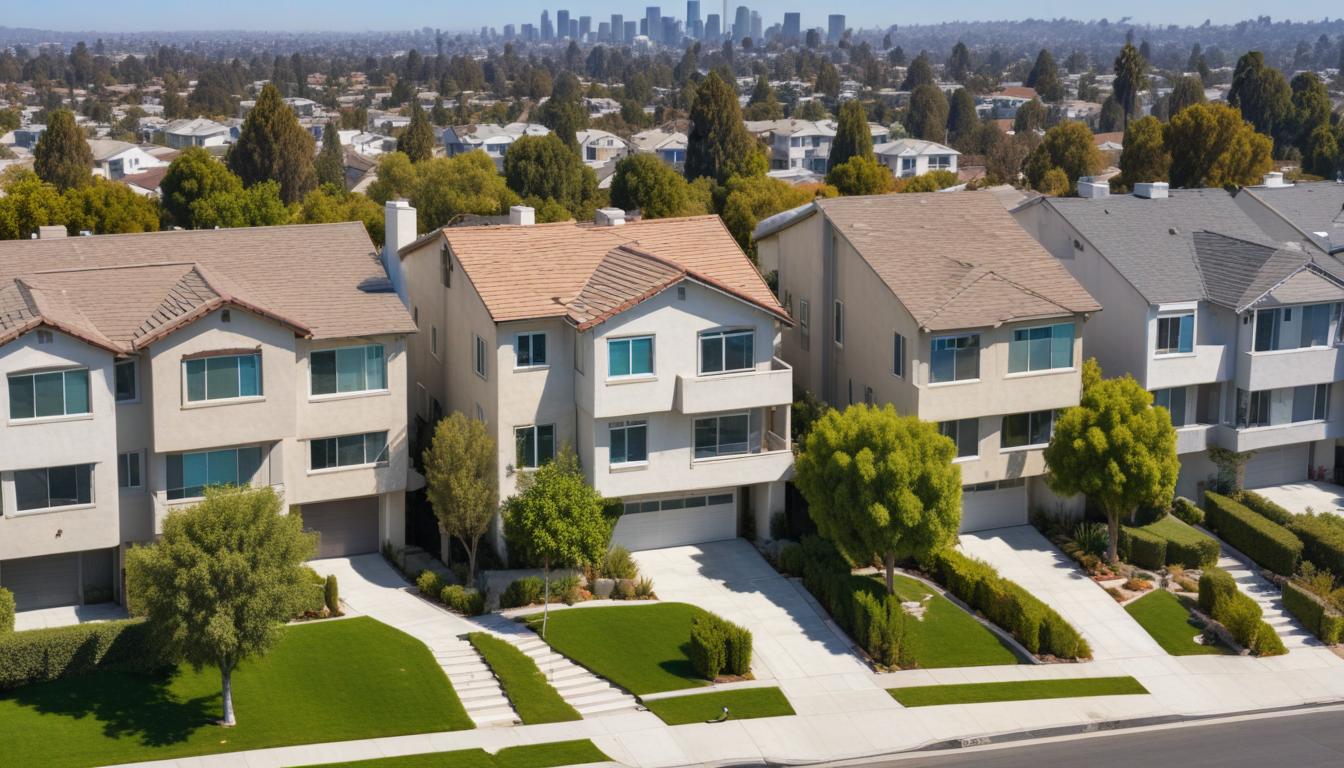
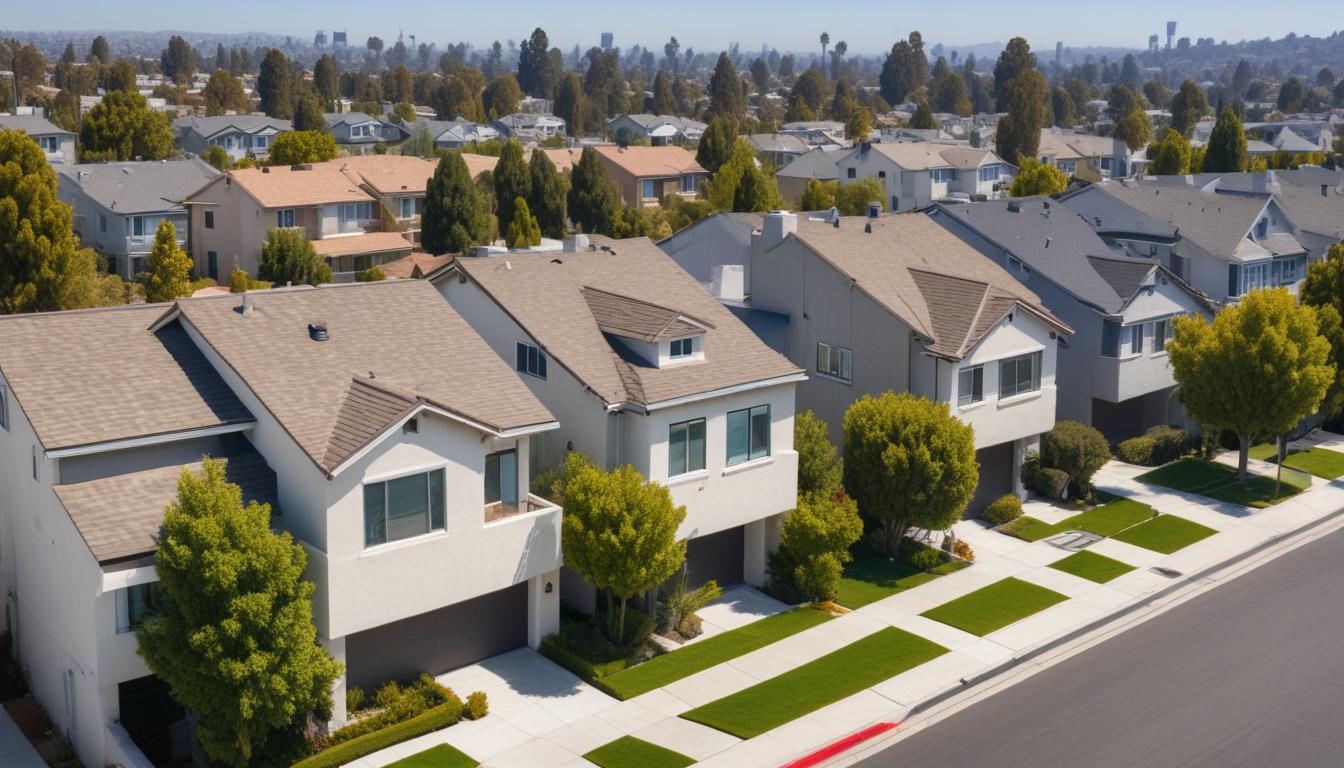
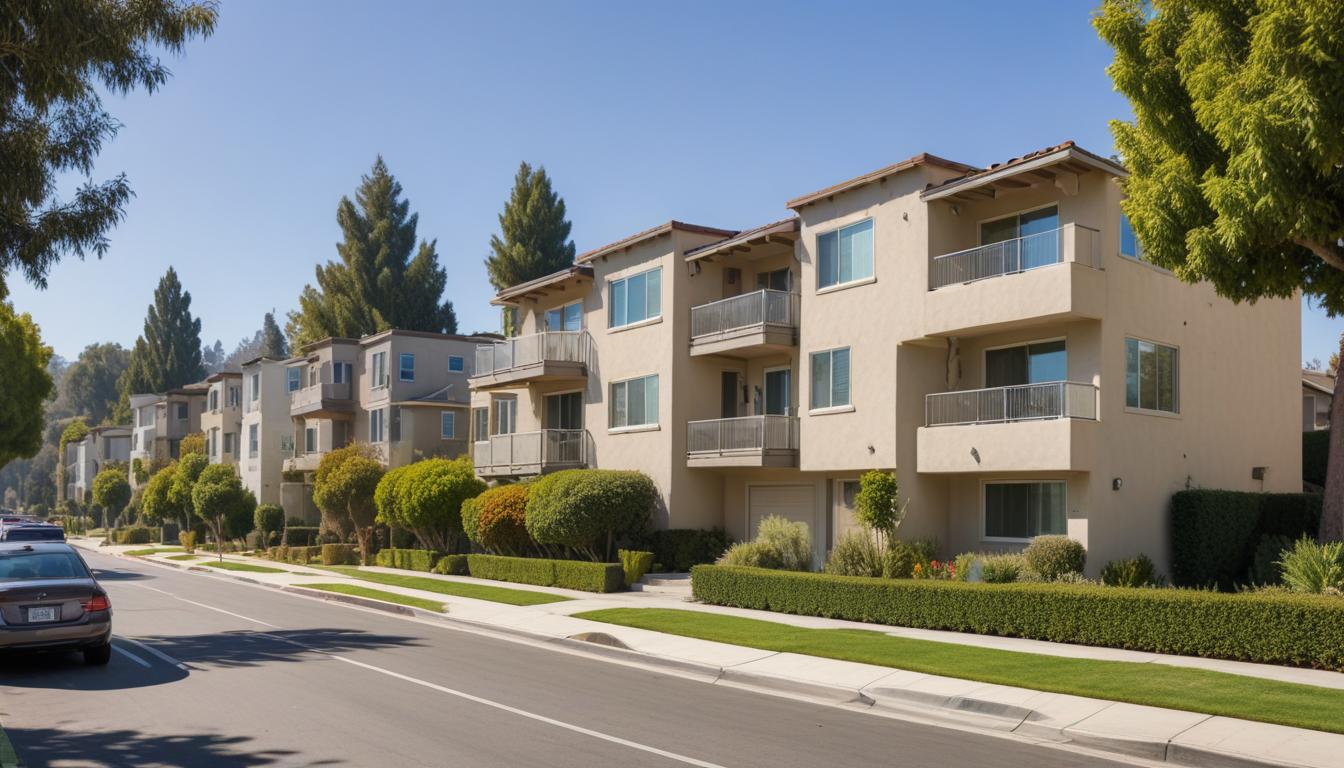
When the Los Angeles Housing Department broke ground on the Lincoln Park Residences project last month, it marked a quiet turning point in the city's decade-long affordable housing crisis. The 187-unit development, nestled along North Avenue 19 in Northeast Los Angeles, represents more than bricks and mortar—it signals a structural shift in how the city is attempting to preserve economic diversity in neighbourhoods facing rapid gentrification.
With LA's median home price sitting at USD 870,000, and rental markets in Silver Lake and Echo Park commanding premium rates, affordable housing has become less a policy aspiration and more an economic necessity. The Lincoln Park project, developed in partnership with the Community Development Trust, will designate 100% of units as affordable to households earning 30 to 60 percent of area median income. For a family of four in Los Angeles, that translates to roughly USD 35,000 to USD 70,000 annually—a sharp contrast to market-rate apartments in adjacent neighbourhoods.
Two other projects underscore this momentum. The Grand Trauma Development in Boyle Heights, currently in final permitting stages, will deliver 156 mixed-income units by 2028, with 40% reserved for households earning below 80% AMI. Further west, the Hollywood Community Housing initiative has greenlit a 94-unit project on Vine Street targeting entertainment workers and service sector employees—demographics increasingly squeezed out of the area as luxury conversions proliferate.
What makes these projects significant is their location strategy. Rather than clustering affordable units on the city's periphery, developers are embedding them within established, amenity-rich neighbourhoods. The Lincoln Park site sits steps from Metro Gold Line access and the iconic Griffith Observatory area, while Boyle Heights' Grand Trauma location offers walkability to restaurants, galleries, and the emerging cultural district along East LA's commercial corridors.
The economic multiplier effects remain unclear. Housing advocates argue that preserving working-class residents stabilises neighbourhood character and supports local economies. Critics point to construction timelines—these projects take four to six years—as evidence that policy response lags actual displacement pressures. With East LA experiencing 8-12% annual rent growth, some argue the city is building affordable units at precisely the pace demand is making them obsolete.
Still, city planners view the three-project pipeline as proof of concept. If successful, the Housing Department signals it will replicate the model across 12 additional neighbourhoods by 2030. For now, residents selected for Lincoln Park Residences move in this autumn. The true test begins then.
This article was compiled by AI from the sources linked above and screened before publishing. See our editorial standards.