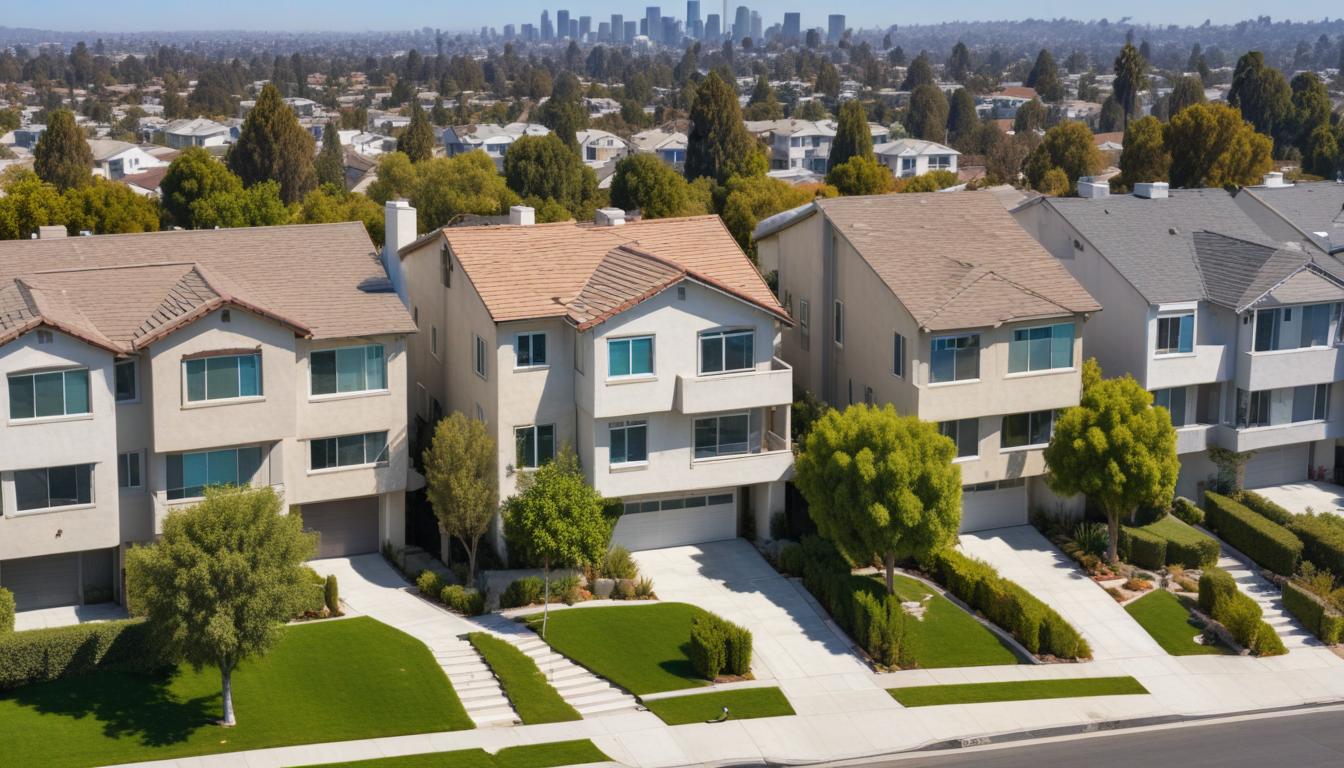
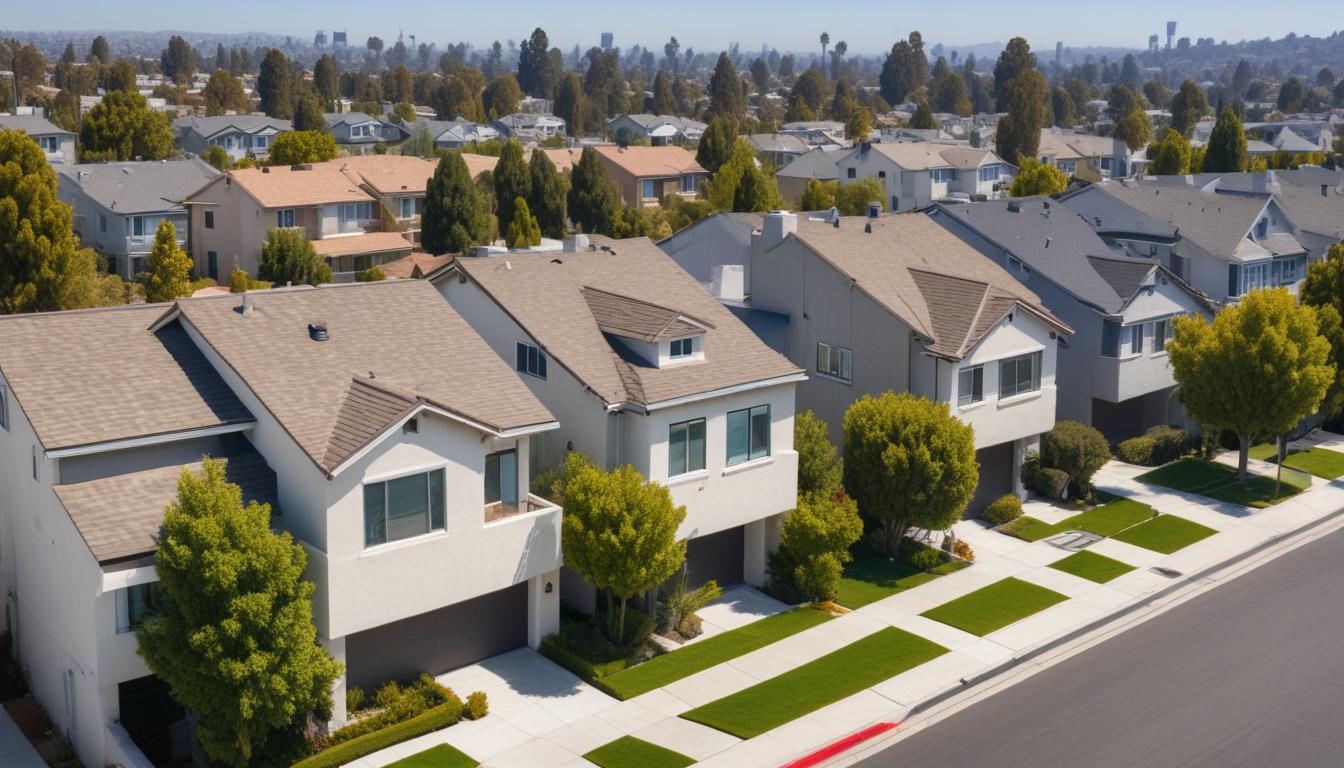
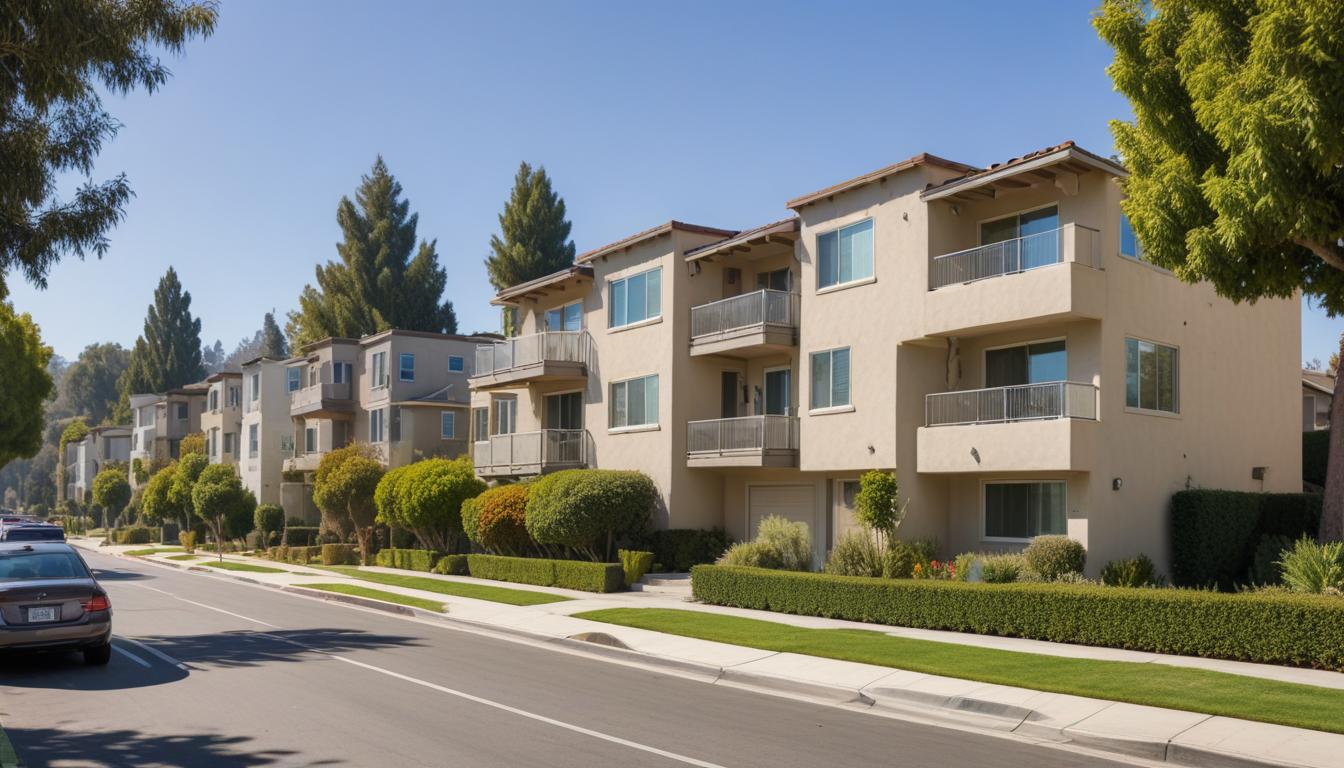
Los Angeles is in the midst of a building reshuffling that hasn't been seen in nearly a decade. With median home prices hovering around USD 870,000 and affordable housing increasingly scarce, city planners and developers are banking on new construction to address the supply crisis—but the projects coming online tell a more complex story about where growth is actually heading.
The most significant shift is happening along the Eastern corridor. East LA has emerged as a primary target for mixed-use development, with several mid-rise residential projects now moving through the approval process. These neighbourhoods, traditionally overlooked by major developers, are seeing renewed interest as younger buyers and renters seek alternatives to the saturated Silver Lake and Echo Park markets, where starter apartments regularly exceed USD 550,000. The arrival of properly zoned, mixed-income housing could reshape demographics across Boyle Heights and Lincoln Heights, though community advocacy groups remain watchful over gentrification concerns.
Downtown Los Angeles continues to attract adaptive reuse conversions—old office and industrial buildings reimagined as residential lofts and live-work spaces. These projects typically offer more flexibility than ground-up construction and move faster through planning departments. The economics are compelling: a converted warehouse on the periphery of the Fashion District can deliver units at lower price points than new builds elsewhere, though quality and structural integrity remain variables.
The accessory dwelling unit (ADU) boom deserves particular attention. City policies loosening ADU restrictions have unlocked thousands of backyard units across single-family zones in areas like Silver Lake, Los Feliz, and stretching into the San Fernando Valley. While these don't appear in traditional development headlines, they represent the largest volume of new housing approvals in the city. The tradeoff: slower neighbourhood-scale change rather than transformative district redevelopment.
Luxury development continues in expected zones. Hollywood Hills and Bel Air still command premium approvals, particularly for multi-million-dollar estates and hillside compounds, though regulatory scrutiny around grading and environmental impacts has tightened. Developers are increasingly incorporating sustainability requirements—solar, water conservation, native landscaping—that add 5-8% to project costs.
What's emerging is a three-tier system: luxury infill in established premium areas, adaptive reuse downtown, and supply-focused mid-rise housing in emerging neighbourhoods like East LA. For the median buyer, the real opportunity lies not in headline-grabbing projects, but in the cumulative effect of hundreds of smaller approvals adding genuinely available inventory. Whether this accelerates fast enough to bend the price curve remains the season's defining question.
This article was compiled by AI from the sources linked above and screened before publishing. See our editorial standards.