For decades, Highland Park was the kind of neighbourhood locals whispered about—full of potential, chronically overlooked, perpetually "about to break." In 2026, it finally has.
The transformation is tangible. Along Figueroa Street, independent coffee roasters and galleries have replaced vacant storefronts. The recently revitalised Southwest Museum of the American Indian draws weekend crowds. And in the residential blocks between York Boulevard and Arroyo Drive, bidding wars have become routine, with properties selling 5–8% above asking in recent months.
Data tells the story starkly. Two years ago, a solid mid-century craftsman on a tree-lined Highland Park street might have fetched $680,000. Today, comparable homes are pushing $795,000—a 17% jump that outpaces both the broader LA market and the traditionally hot Silver Lake neighbourhood nearby. For investors, the mathematics are compelling: Highland Park remains cheaper than Echo Park (median $945,000) or Los Feliz (median $1.1 million), yet sits on the same cultural and demographic trajectory.
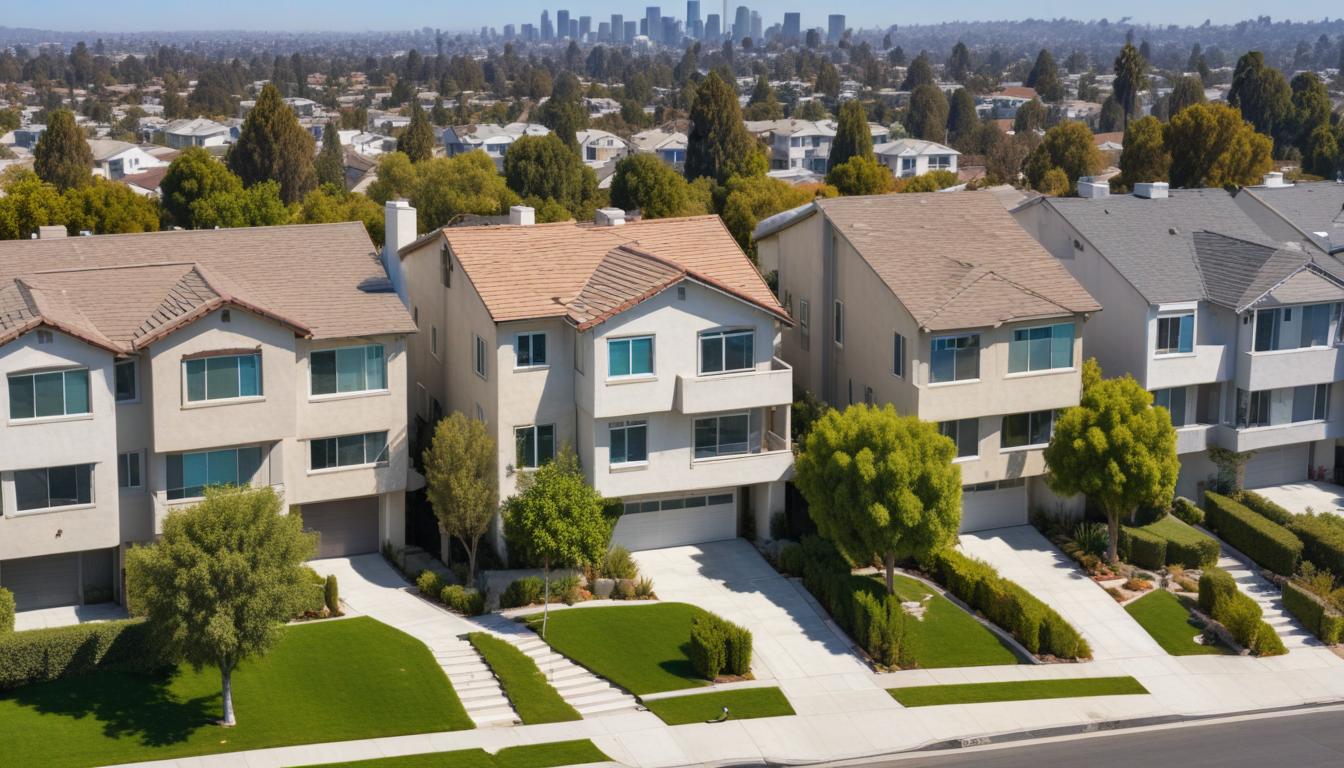
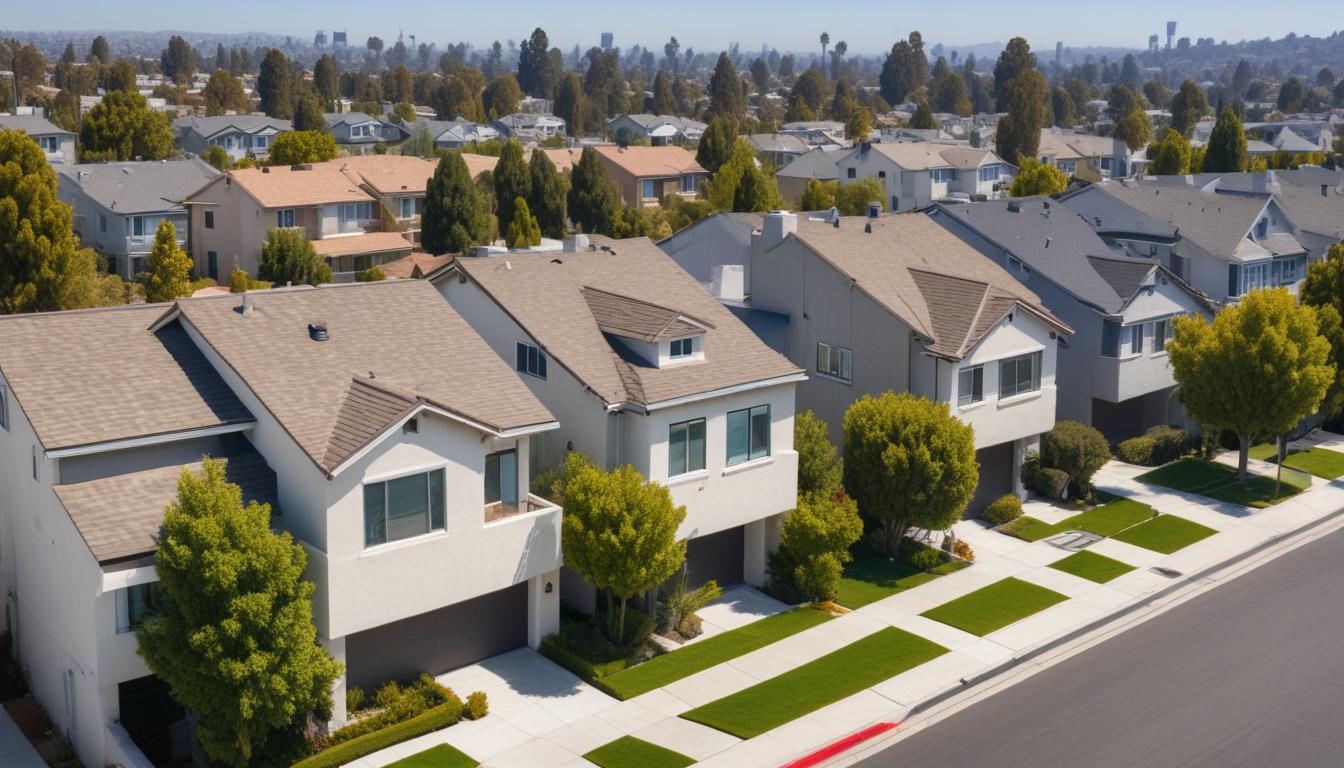
Several forces are converging. The Gold Line terminus at Del Mar Station, operational since 2023, has crystallised transit value for renters and owner-occupants alike. The neighbourhood's historic housing stock—predominantly pre-1950s, walkable neighbourhoods clustered around the Arroyo Seco—aligns with younger professionals' preferences for character over sprawl. And the city's recent ADU boom has particularly benefited Highland Park, where residential lots are often generous enough to support secondary units, creating rental income that justifies steeper purchase prices for investor-owners.
Real estate agents report a notable demographic shift. While Highland Park has long anchored LA's Chicano and working-class communities, new arrivals—creative professionals, remote workers, first-time homebuyers priced out of Silver Lake—are now bidding alongside long-time residents and institutional investors. This mixture has sparked conversations about gentrification and displacement, with community organisations like the Highland Park Neighborhood Council actively engaging on affordability questions.
Still, Highland Park's moment feels genuine rather than speculative hype. Unlike some previous "emerging" neighbourhoods that fizzled after initial attention, Highland Park has decade-long institutional commitments: the Southwest Museum's investment, transit infrastructure, and cultural programming. For investors seeking mid-range leverage—properties with room to appreciate but less glamorous price tags than Bel Air—Highland Park has quietly become Los Angeles's most compelling play.
This article was compiled by AI from the sources linked above and screened before publishing. See our editorial standards.