The Yield Reality Check: What LA's Investment Numbers Actually Reveal
As the median home price hits $870k, investors are discovering that traditional rental yields in Los Angeles tell a more sobering story than headlines suggest.
As the median home price hits $870k, investors are discovering that traditional rental yields in Los Angeles tell a more sobering story than headlines suggest.
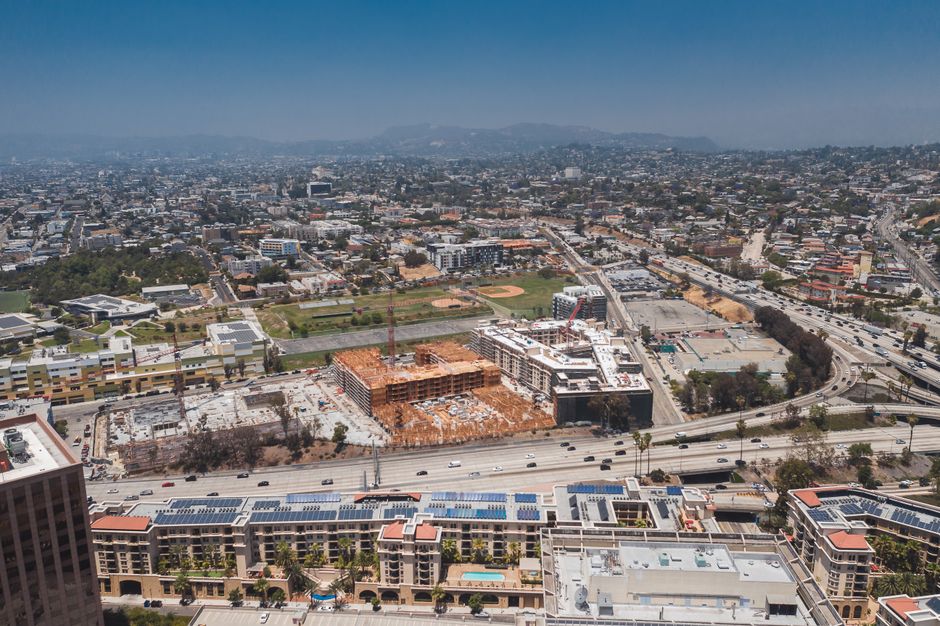
Los Angeles has long attracted property investors chasing the California dream, but the numbers painting today's rental landscape are forcing a reckoning about what constitutes a viable return.
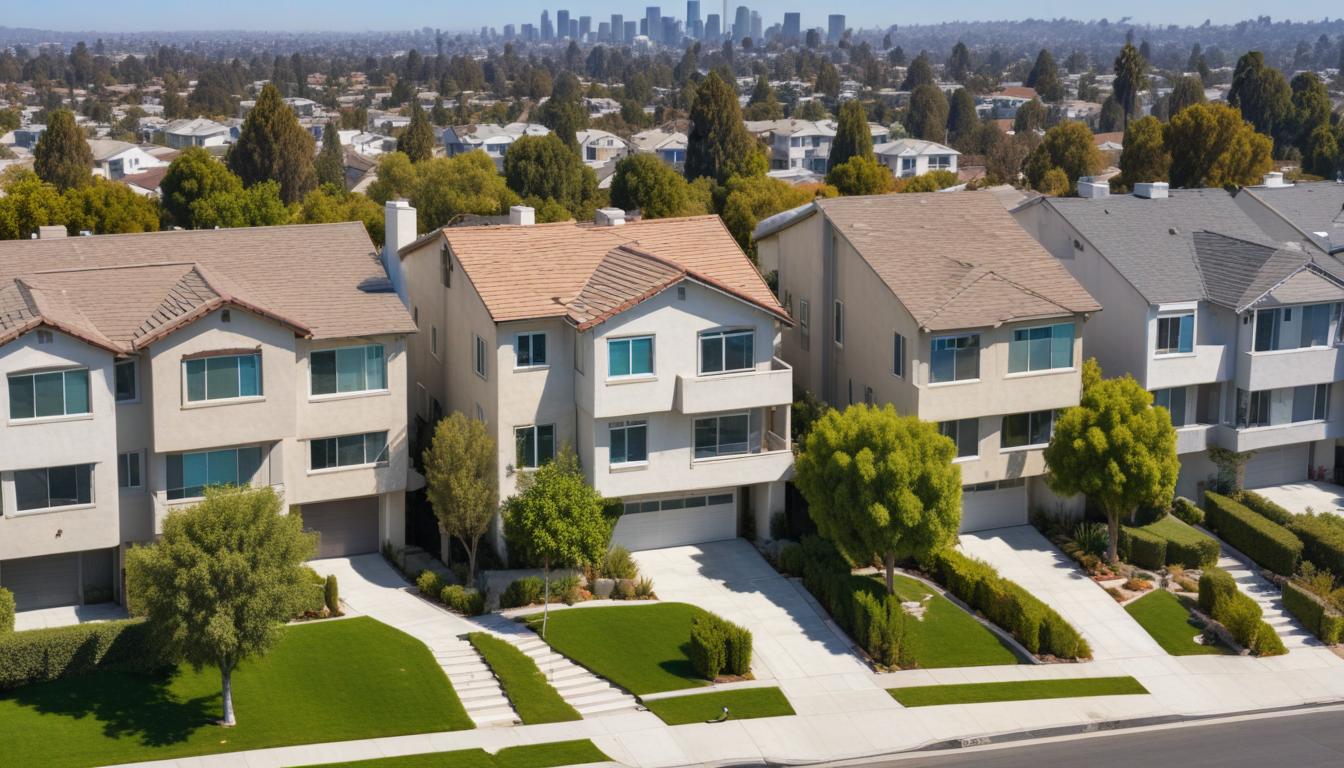
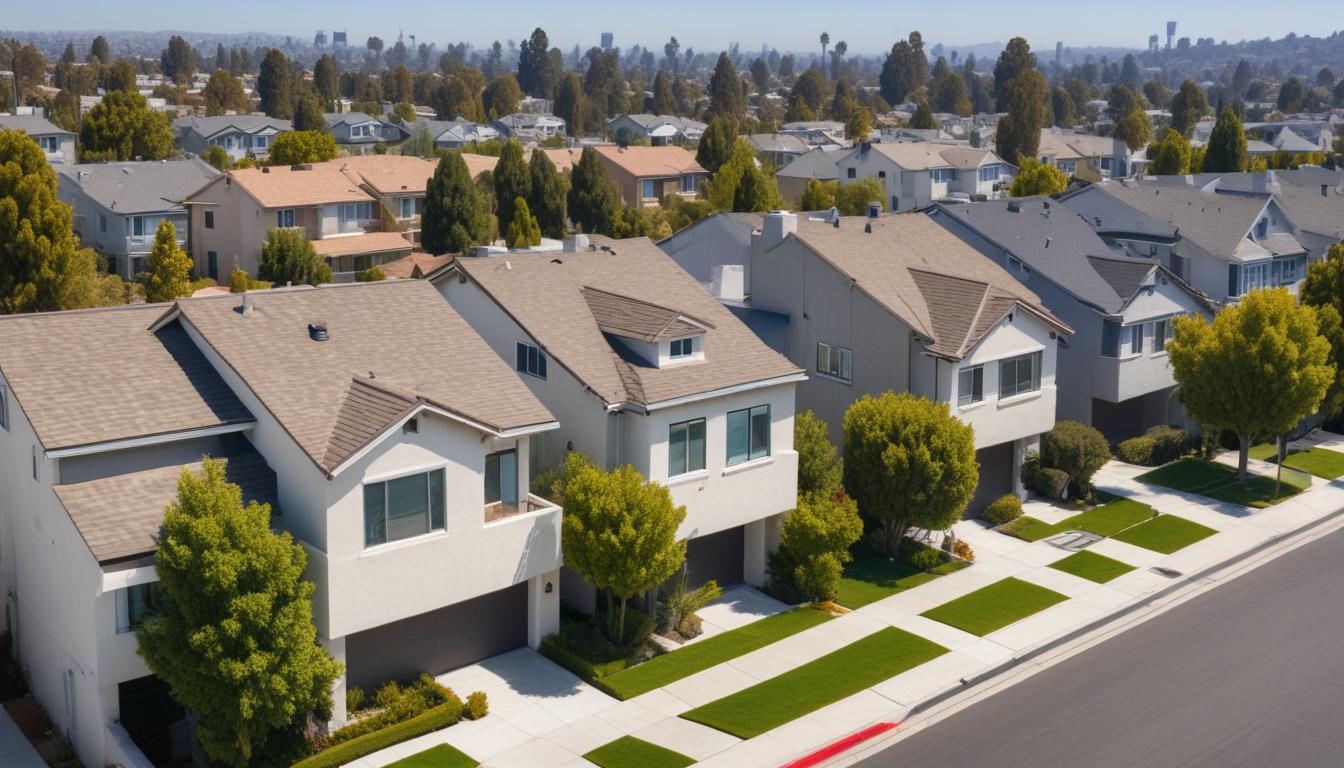
In neighbourhoods like Silver Lake and Echo Park, where median prices have climbed toward $1.2 million, gross rental yields typically sit between 3 and 4 percent—meaning a $1 million investment property might generate $30,000 to $40,000 annually in rent before expenses. After accounting for property taxes (roughly 1.25 percent of assessed value), insurance, maintenance, and vacancy periods, net yields often compress to under 2 percent. That's barely outpacing inflation.
The story differs markedly across the city. East LA, experiencing rapid growth as investors seek value, still offers pockets where gross yields reach 5 to 6 percent. A $600,000 duplex generating $3,500 monthly rent represents a more attractive entry point for owner-operators willing to manage properties themselves. Yet even here, the calculus depends heavily on purchase price negotiation and long-term appreciation expectations.
Hollywood Hills and Bel Air luxury properties present different mathematics altogether. High-net-worth investors there are largely banking on capital appreciation rather than rental income. A $5 million mansion might rent for $15,000 monthly—a yield of just 3.6 percent gross—because the real return lies in property value growth over five to ten years.
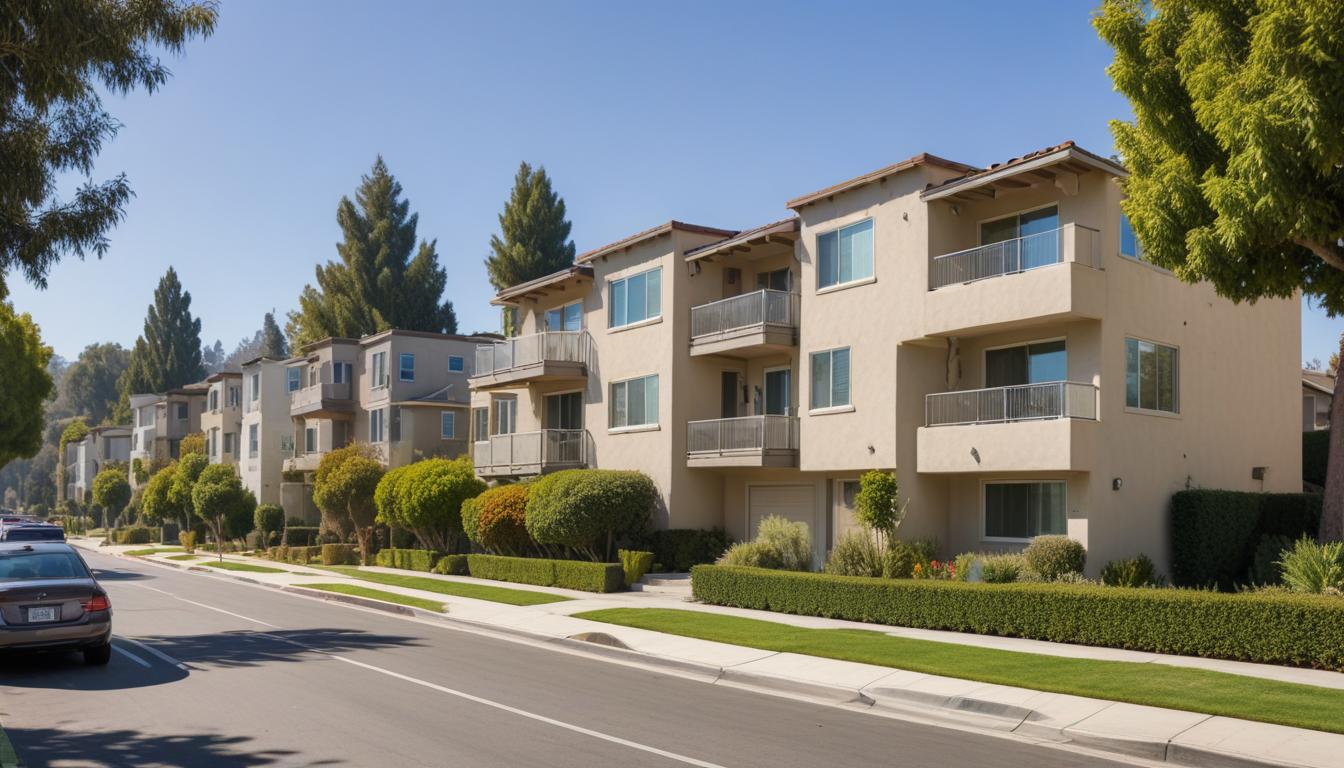
The accessory dwelling unit boom reshaping neighbourhoods from Koreatown to Palms offers an alternative strategy. A primary residence with an ADU can generate dual income streams: owner-occupant stability plus $2,000 to $3,500 monthly secondary rental income. Many investors now treat the main house as their residence while the ADU funds mortgage payments—inverting the pure yield calculation.
Industry organisations note that successful LA investors increasingly view properties as long-term holds (10+ years), where accumulated equity and inflation working in their favour matter more than year-one rental yield. The median home price of $870,000 assumes appreciation; the investor betting on 3 percent annual value growth alongside 4 percent gross rental yield approaches a more realistic 7 percent total return—before leverage multiplies or diminishes those numbers.
For prospective investors evaluating opportunities along Santa Monica Boulevard or in emerging East LA corridors, the takeaway is clear: scrutinise the actual numbers rather than relying on neighbourhood buzz. Run the full expense model. Consider appreciation timelines. And recognise that LA's property investment game increasingly rewards patient capital over yield chasing.
This article was compiled by AI from the sources linked above and screened before publishing. See our editorial standards.
How does this story make you feel?
Spread the word
About this article
Published by The Daily Los Angeles
Daily brief
Free, in your inbox before 7am. Weekdays.
More in Property