The New Development Boom Is Reshaping LA's Investment Property Playbook
Rising construction activity across East LA and Silver Lake is redefining rental yields and landlord strategy in one of America's hottest property markets.
Rising construction activity across East LA and Silver Lake is redefining rental yields and landlord strategy in one of America's hottest property markets.

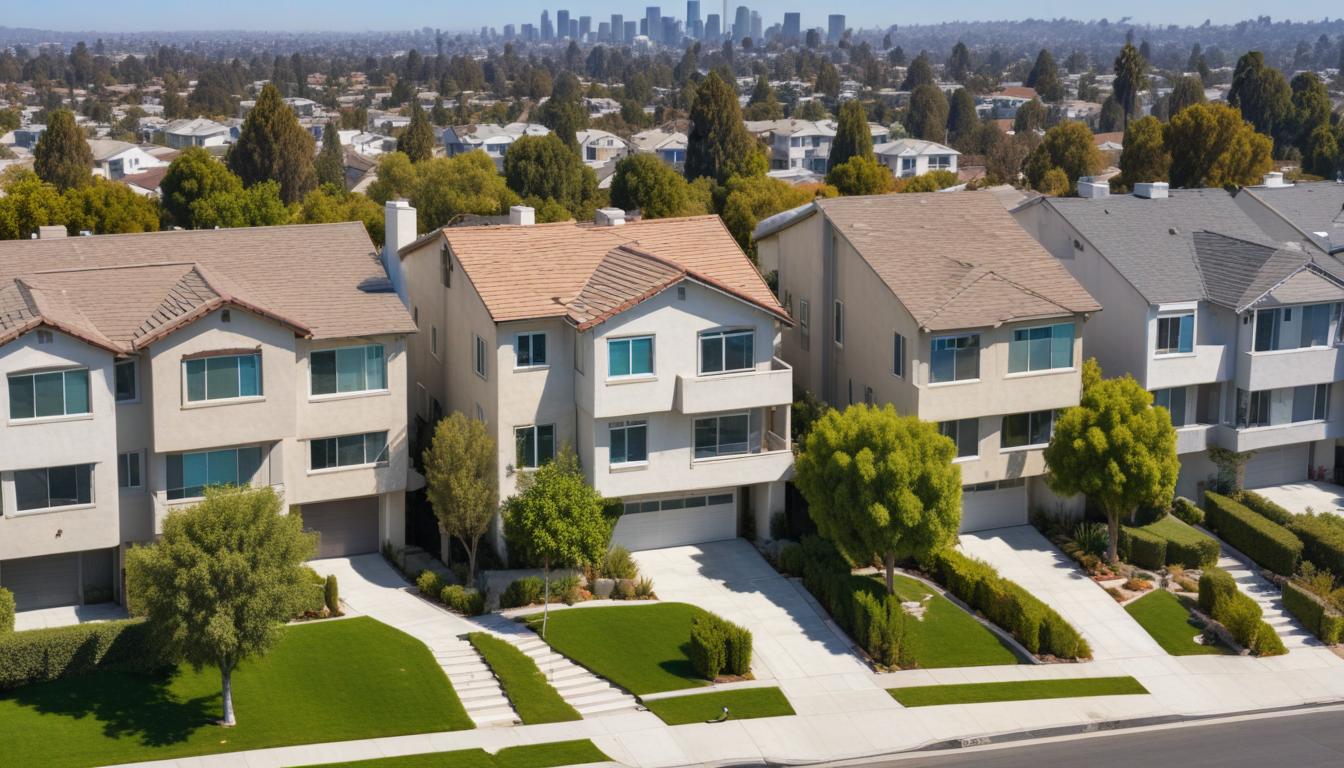
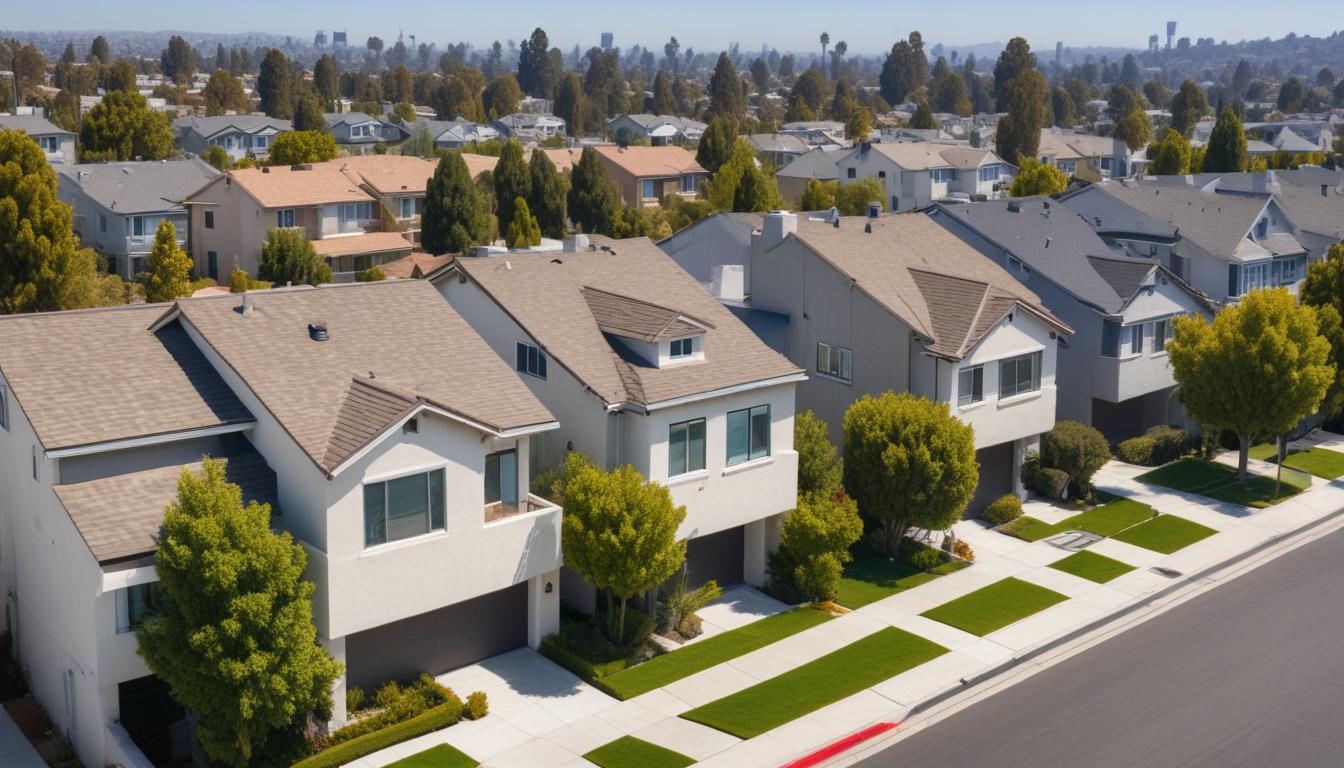
Los Angeles property investors are reassessing their playbooks as a wave of new residential developments transforms neighbourhood dynamics and rental economics across the city. With the median home price hovering near $870,000, savvy landlords are increasingly focused on areas experiencing significant construction activity—where supply pressures and neighbourhood revitalisation can directly impact yield returns.
East LA has emerged as the epicentre of this shift. Major residential projects along Whittier Boulevard and César Chávez Avenue are bringing hundreds of new units to market, creating a complex landscape for existing landlords. While new supply typically pressures rents, the accompanying infrastructure improvements—better transit access via Metro lines, new retail corridors, and enhanced streetscaping—are attracting younger renters and professionals willing to pay premium rates. Investors with existing stock in these corridors are reporting 4-6% yield improvements over two years, though longer-term projections remain uncertain as saturation looms.
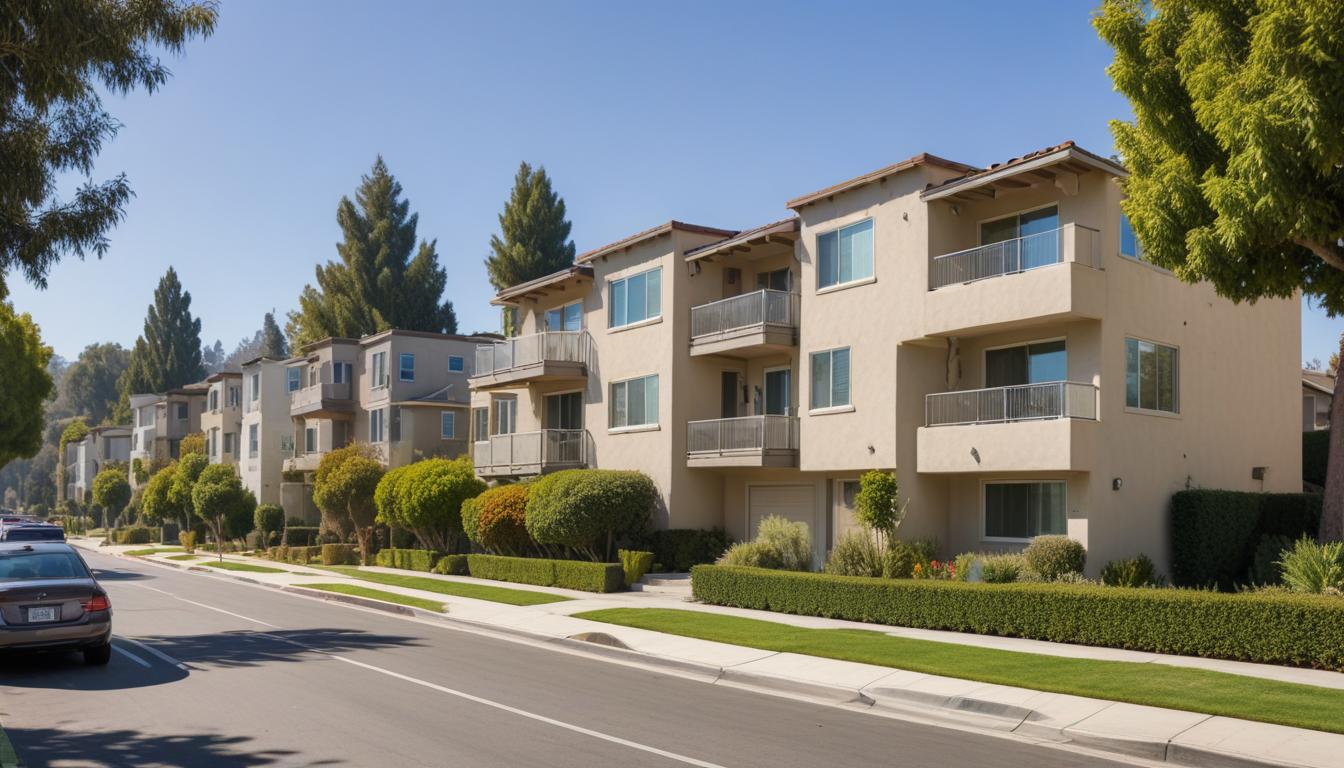
Silver Lake and Echo Park present a different calculus. These already-popular neighbourhoods are seeing boutique infill projects—mid-rise apartments and mixed-use developments near Sunset Boulevard and Silver Lake Boulevard—rather than wholesale redevelopment. Here, new projects act as neighbourhood anchors, supporting existing property values rather than cannibalising them. Landlords with multi-unit buildings in these zones report steady tenant demand and rent growth of 3-4% annually, outpacing inflation.
The ADU boom deserves particular attention for small-scale investors. Los Angeles's relaxed regulations have sparked accessory dwelling unit construction across residential zones, especially in Hollywood Hills foothills and areas near Santa Monica Boulevard. While ADUs reduce development costs, they've also fragmented some single-family rental markets. Savvy investors are integrating ADUs into their existing properties rather than resisting them—adding $500-$800 monthly income streams with minimal capital outlay.
For landlords evaluating new developments, proximity matters enormously. Properties within walking distance of new retail, transit nodes, or community facilities (parks, libraries, restaurants) see better-sustained demand. Conversely, investors near large-scale residential clusters should monitor absorption rates carefully; overbuilding in areas like downtown LA's Arts District has created softening conditions for older rental stock.
The critical insight: new development isn't uniformly negative for existing landlords. In supply-constrained, amenity-rich neighbourhoods like Silver Lake, projects elevate entire precincts. In rapidly developing areas like East LA, timing matters—early investors benefit, but latecomers face compressed margins. As LA's development pipeline remains robust through 2027, property investors must treat neighbourhood transformation as a core analytical metric, not an afterthought.
This article was compiled by AI from the sources linked above and screened before publishing. See our editorial standards.
How does this story make you feel?
Spread the word
About this article
Published by The Daily Los Angeles
Daily brief
Free, in your inbox before 7am. Weekdays.
More in Property