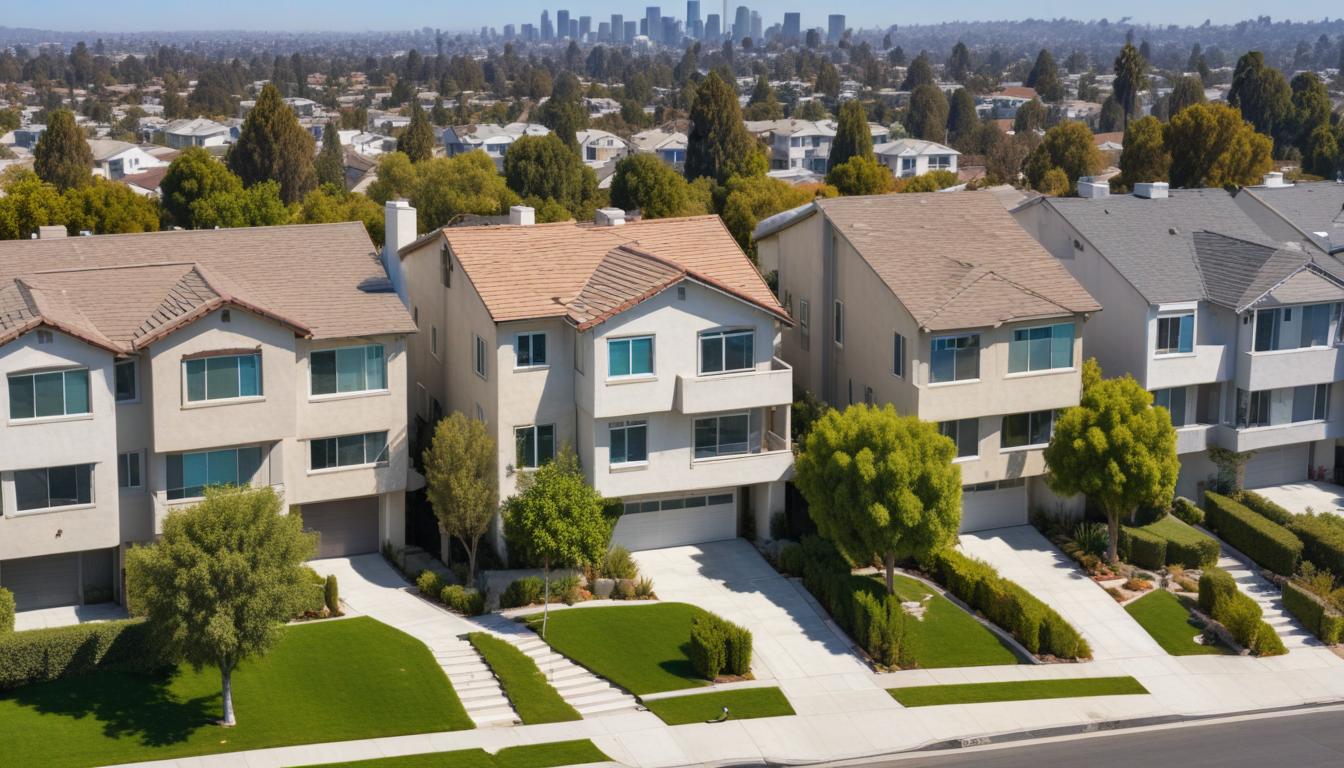
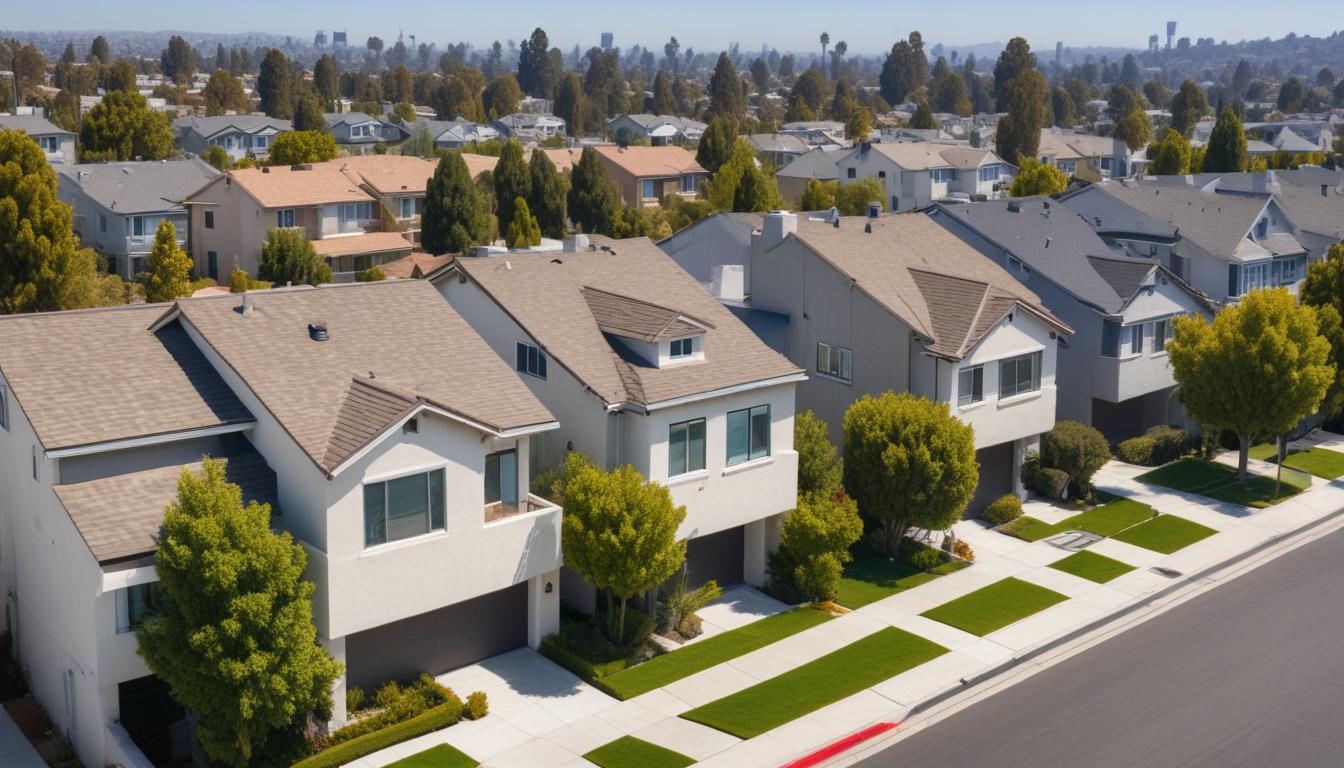
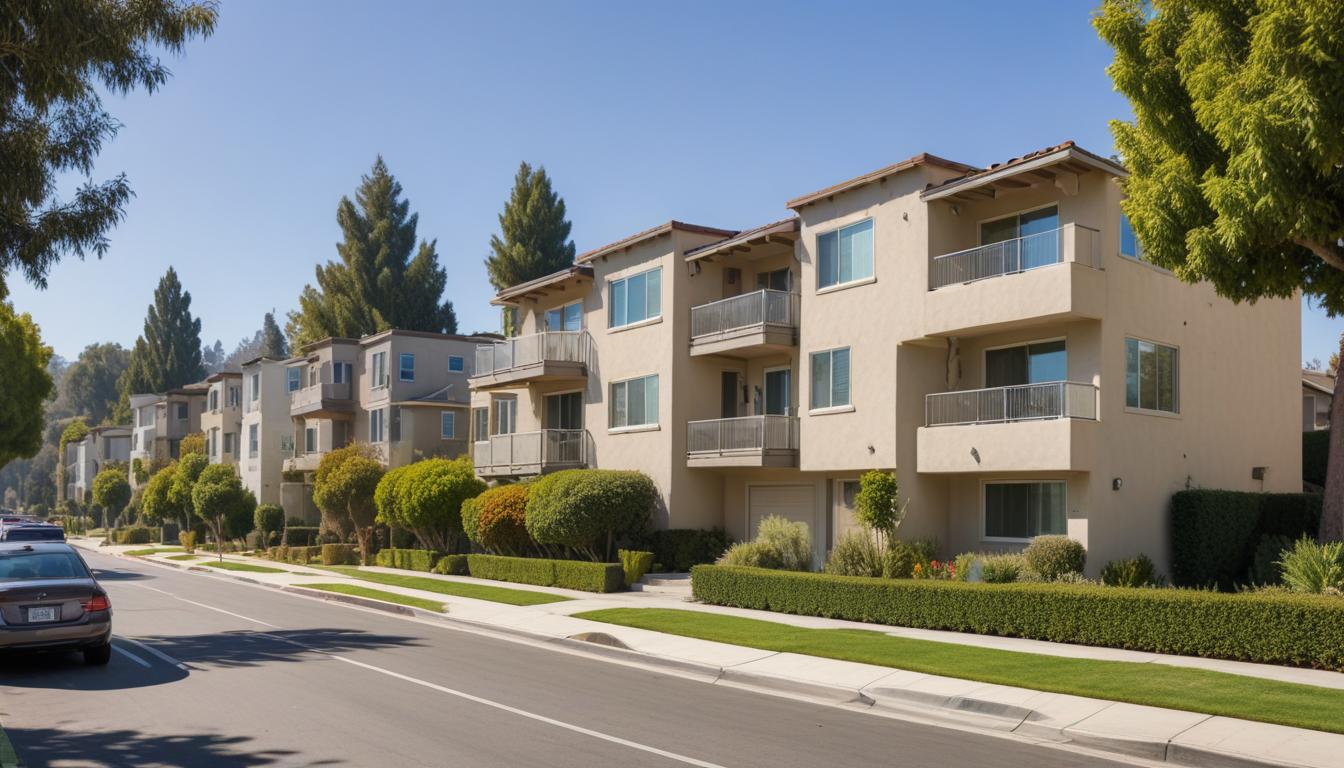
Silver Lake is experiencing a construction awakening. After years of incremental change, three significant development projects recently cleared Los Angeles Department of City Planning approvals, signalling a potential inflection point for a neighbourhood that has long occupied an uneasy middle ground: too expensive for working families, not quite premium enough for the mega-wealth set.
The largest, a mixed-use complex on Sunset Boulevard near Micheltorena Street, will deliver 187 residential units across eight storeys, with ground-floor retail and 85 parking spaces. At a neighbourhood where the median asking price hovers near $950,000—a 12 per cent year-on-year climb—the developer has committed 15 per cent of units to below-market-rate tenancy. That's roughly 28 apartments. City Planning records show the project required a density bonus exemption, underscoring how Los Angeles's zoning legacy still constrains even ostensibly pro-housing approvals.
Two blocks east, a smaller 62-unit residential conversion of a former warehouse on Hyperion Avenue follows a similar pattern: mixed tenure, ground-level community space, acknowledgment of the neighbourhood's creative legacy without explicit cultural preservation. These projects matter because they're occurring at scale and speed simultaneously—a rare convergence in LA's typically glacial approval ecosystem.
East LA, meanwhile, continues its own transformation. New construction permits in the 90022 and 90023 zip codes have tripled since 2023, driven partly by Metro infrastructure investment and partly by relative affordability. A four-unit building that might sell for $1.8 million in Silver Lake trades for $650,000 in East LA, attracting both owner-occupants and small-portfolio investors.
But the narrative around these approvals splits along predictable lines. Housing advocates note that Los Angeles needs approximately 500,000 new units by 2050 to address the shortfall; every project that clears planning represents incremental progress. Yet community groups worry about displacement velocity, parking strain on neighbourhoods built for 1950s traffic patterns, and the erosion of mid-century character that makes Silver Lake and Echo Park worth $2.3 million for a two-bedroom in the first place.
The ADU boom—which has added over 6,000 units citywide since 2018—offers a quieter alternative that avoids political friction. But ADUs rarely target below-market tenancy, and they generate neither commercial space nor the public realm improvements that mid-rise projects promise.
What these approvals ultimately reveal is a city still negotiating between housing scarcity and neighbourhood continuity. Silver Lake's next chapter will be written not by any single project, but by whether the cumulative density can generate affordability—or merely speed displacement.
This article was compiled by AI from the sources linked above and screened before publishing. See our editorial standards.