What LA's Plummeting Clearance Rates Are Really Signalling About Affordable Housing
Auction data reveals a widening gap between what developers can afford to build and what working Angelenos can actually pay.
Auction data reveals a widening gap between what developers can afford to build and what working Angelenos can actually pay.
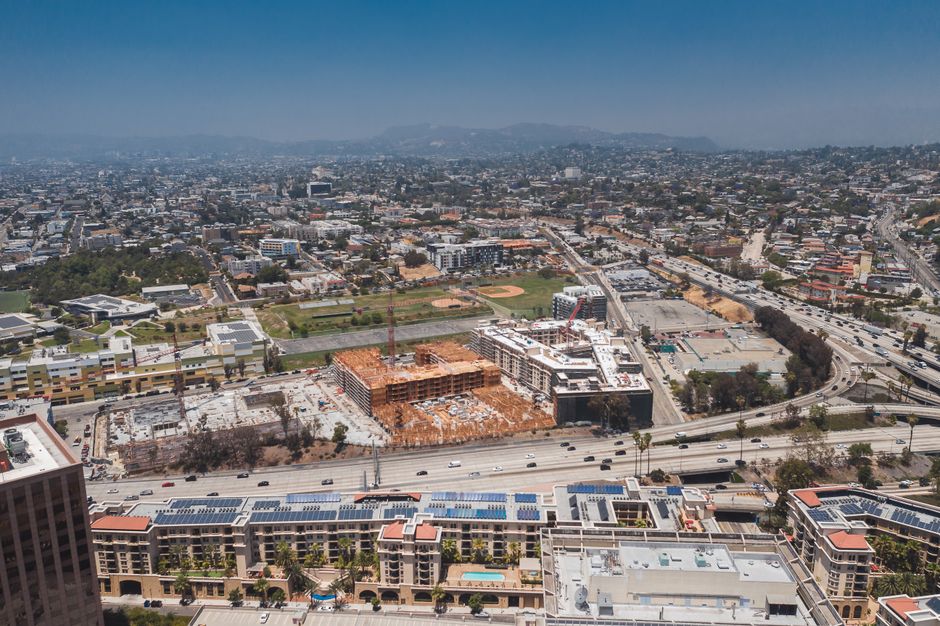
Los Angeles is sending mixed messages through its property market, and the affordable housing sector is reading them loud and clear: the math no longer works.
Recent auction results across the city tell a cautionary tale. Empty lots that once commanded premium prices are now sitting on the block unsold, clearance rates have slipped to multi-year lows, and developers are increasingly stepping away from projects that don't pencil out. For a region where the median home price hovers near $870,000, this slowdown carries serious implications for the 1.2 million Angelenos spending more than 30% of their income on housing.
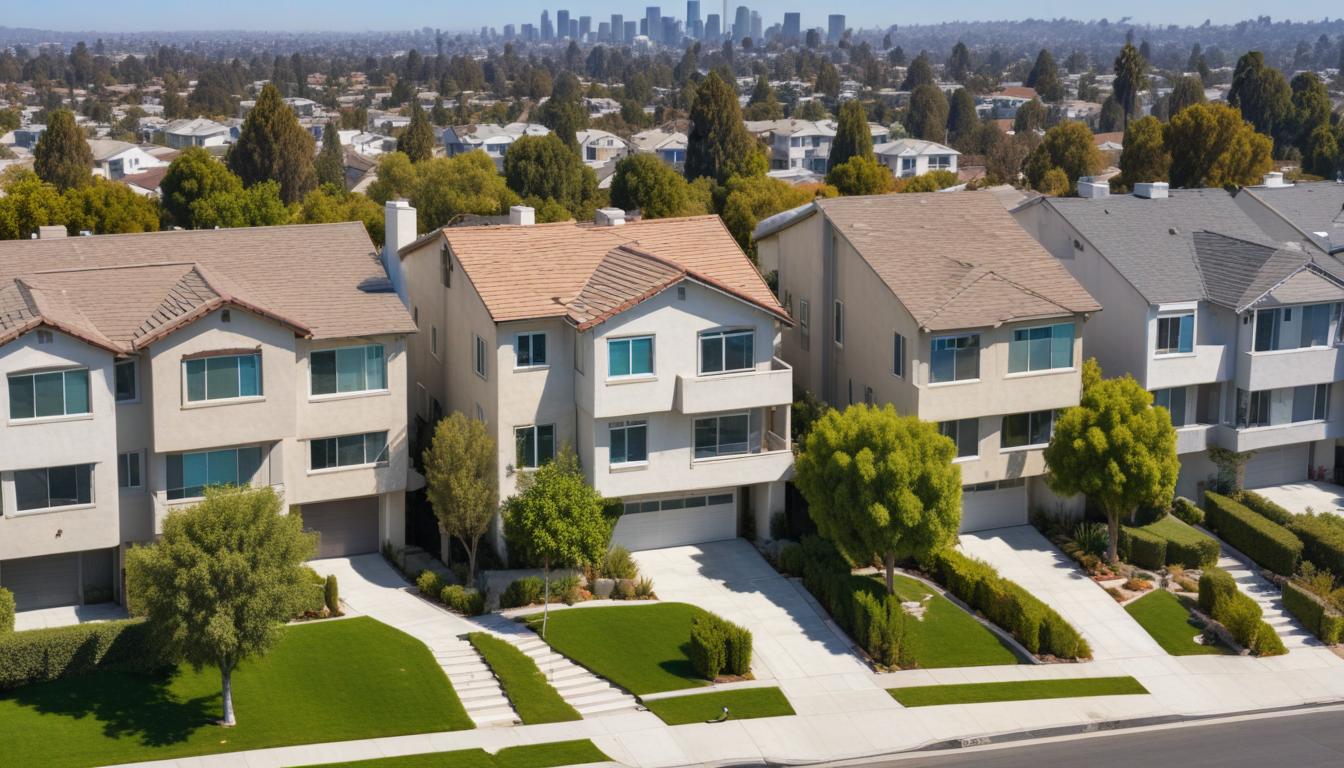
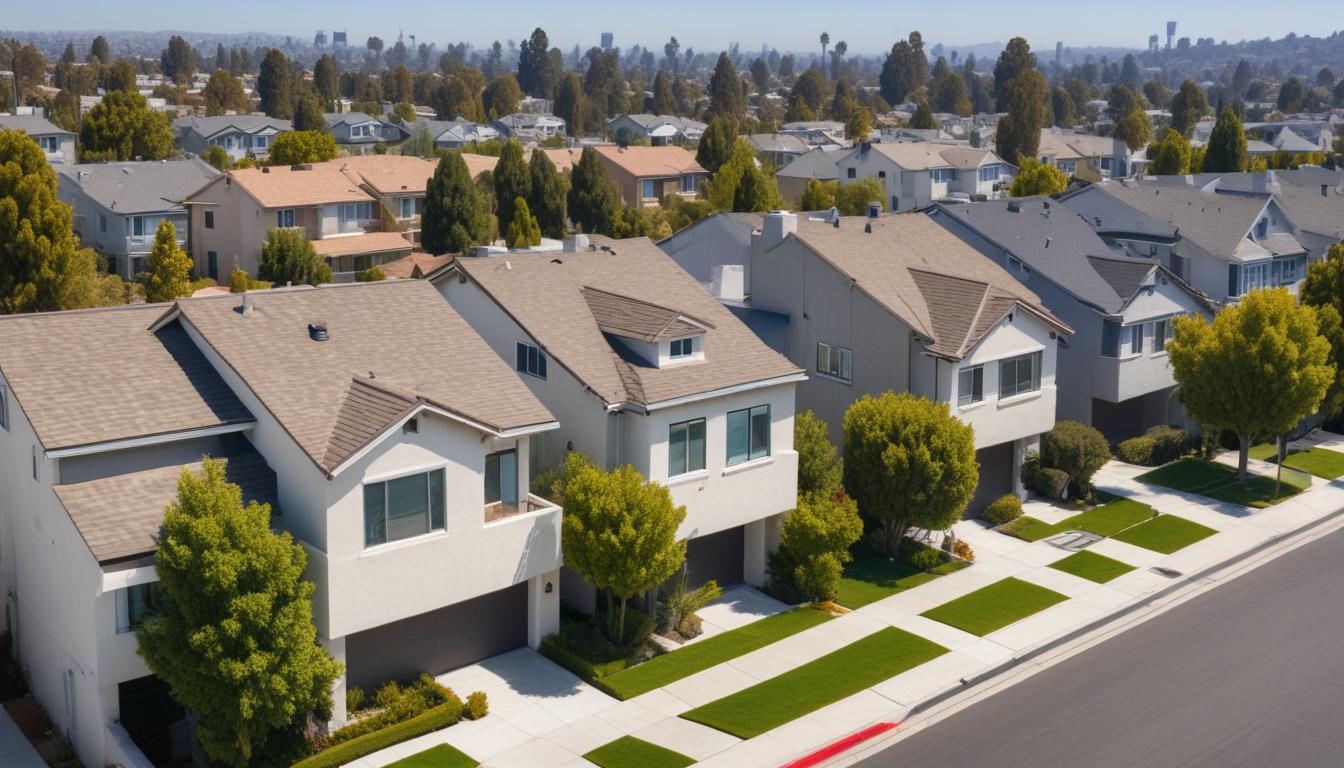
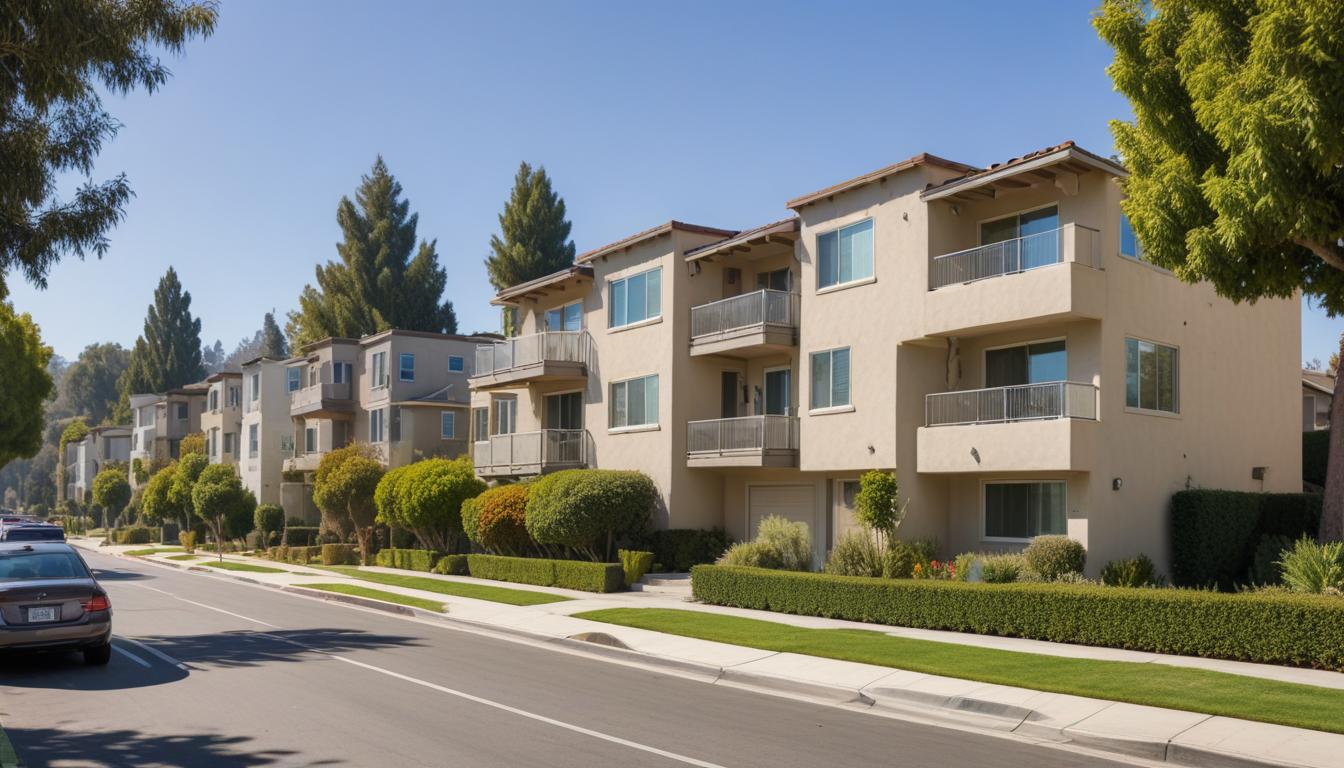
The signal is unmistakable: land acquisition costs, combined with construction expenses and regulatory compliance, have made mid-range housing economically impossible without subsidy. A typical Echo Park or Silver Lake property that might have sold for $1.8 million two years ago is now lingering, with developers unable to justify development costs when end-user pricing must remain competitive. Meanwhile, East LA—long seen as the city's emerging affordable frontier—is experiencing gentrification pressures that are rapidly pricing out the very residents such development was meant to serve.
The Los Angeles Housing Department and nonprofit partners like LAHC (LA Housing Community) have documented this bind. To deliver genuinely affordable units—those renting below $1,500 monthly—developers require 40-60% funding from public sources. Without it, projects don't happen. Yet municipal budgets remain constrained, and gap financing has become the industry's new reality.
What's particularly revealing is where investment *is* flowing: ADU construction in neighborhoods like Koreatown and Highland Park continues, driven by single-family homeowners seeking rental income rather than systemic affordable supply. Meanwhile, institutional investors are increasingly focused on luxury segments, where margins remain healthy regardless of clearance rates.
City Council and the Department of City Planning are watching these signals closely. Last month's revised affordable housing ordinance attempted to tighten requirements, but without corresponding land banking or rapid-rehousing funding, experts warn of unintended consequences. Developers may simply avoid projects altogether rather than absorb below-market pricing.
The uncomfortable truth: auction rooms don't lie. Empty lots returning to the market unsold, projects stalled mid-entitlement, and investor pullback from mid-priced segments all point to one conclusion. Los Angeles can either commit sustained public funding to close the affordability gap, or watch as rising homelessness and displacement continue. The market has already made its choice. The question is whether policy will follow.
This article was compiled by AI from the sources linked above and screened before publishing. See our editorial standards.
How does this story make you feel?
Spread the word
About this article
Published by The Daily Los Angeles
Daily brief
Free, in your inbox before 7am. Weekdays.
More in Property