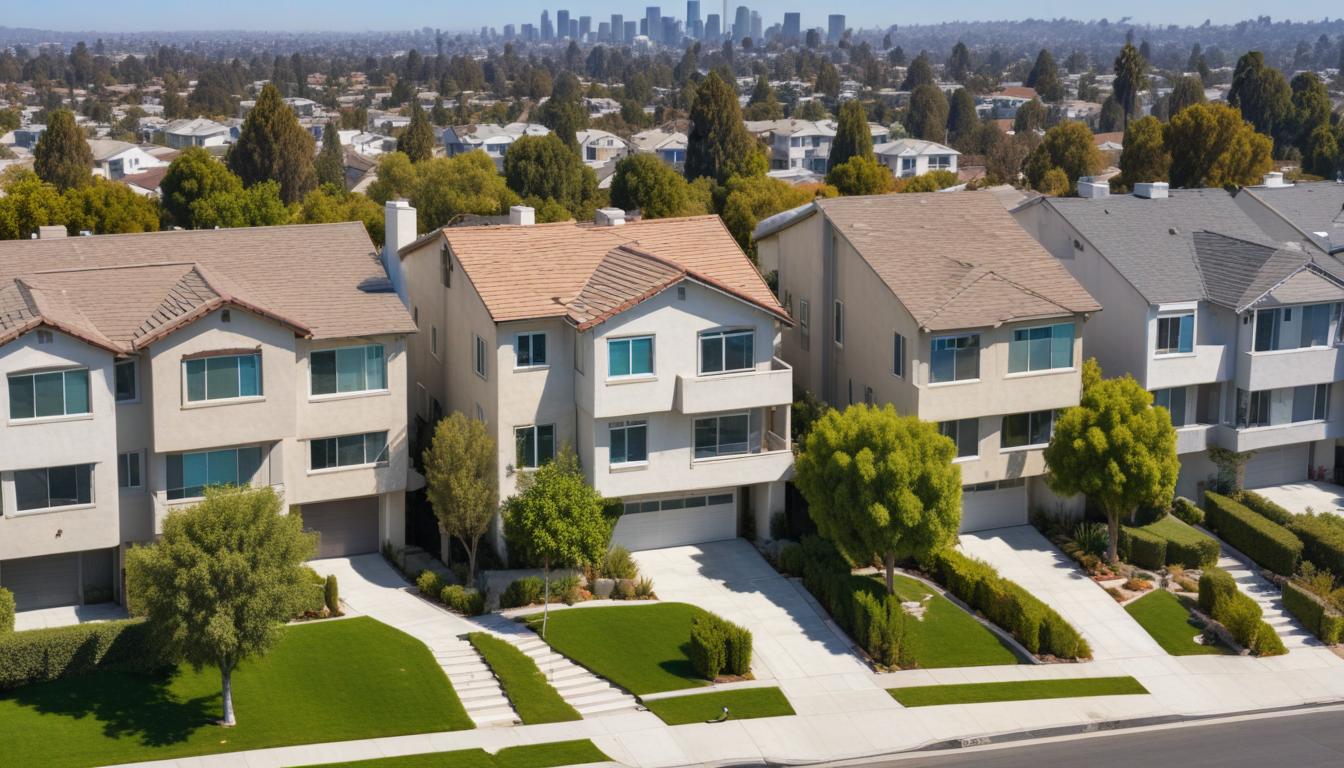
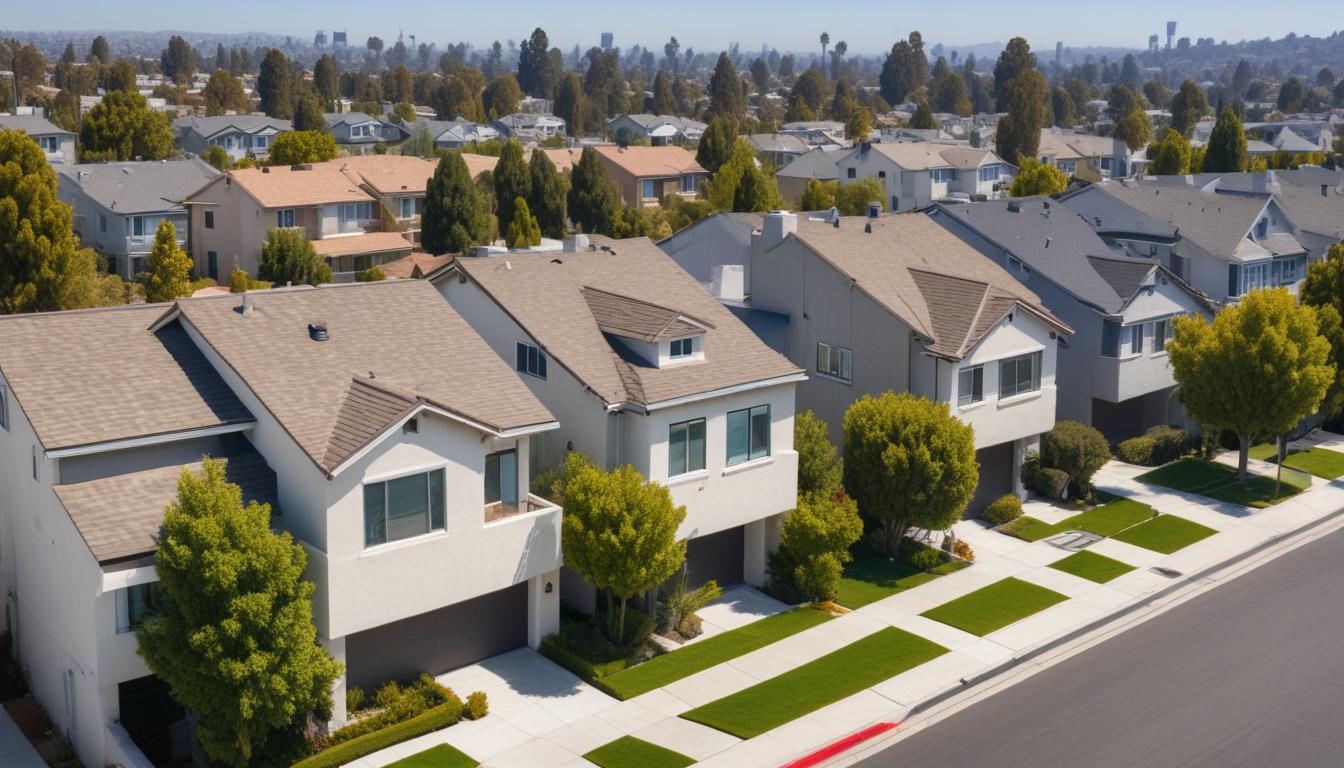
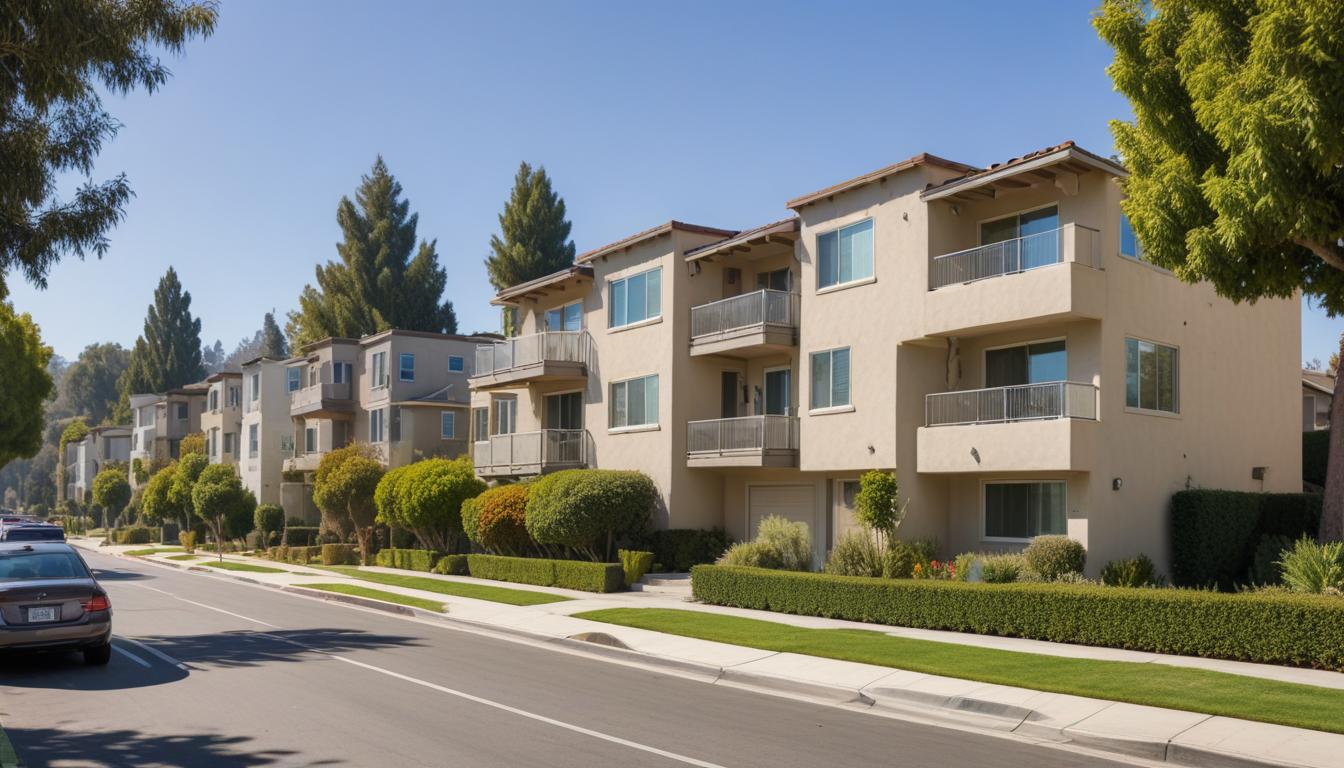
The first-time buyer entering Los Angeles's property market in 2026 faces a landscape fundamentally different from five years ago. The median home price sits at $870,000—a figure that would have seemed fantastical to millennials starting out in the early 2020s. Understanding what's driving this plateau, and where opportunity still exists, is essential before signing anything.
Three forces are reshaping LA's entry-level market. First, the accessory dwelling unit (ADU) boom has created an artificial scarcity play. Investors have realised that a modest East LA or Boyle Heights property—once the gateway neighbourhood for first-timers—can be subdivided into multiple income streams. This investor activity has hollowed out the sub-$600k segment. Second, rate volatility continues to compress affordability: even modest interest rate shifts eliminate hundreds of monthly payment capacity. Third, California's persistent regulatory friction means new supply remains sluggish, keeping competition fierce in neighbourhoods like Silver Lake and Echo Park.
For first-time buyers, several mechanisms exist—though their utility varies. California's CalHFA (California Housing Finance Agency) Down Payment Assistance Program remains the most accessible, offering up to 3% down with competitive rates for qualifying buyers. Los Angeles County also operates targeted grants through its Homeownership Program; income limits apply, but they're worth investigating if your household sits between $65,000 and $110,000 annually. The city's recent 'Home for a Home' initiative, though primarily aimed at vulnerable overseas families, has clarified pathways that local first-timers can leverage through partner organisations.
The critical insight: abandon the dream of Silver Lake or Bel Air neighbourhoods on a median LA income. Instead, focus on emerging corridors. East LA, Long Beach adjacent areas, and the San Gabriel Valley are seeing genuine growth without the speculative pressure. A $650,000 property in Eagle Rock or Highland Park offers genuine equity-building potential—especially if you're willing to add an ADU yourself (the irony isn't lost). Financing-wise, work with lenders familiar with FHA loans; they'll navigate the complexity of older properties near public transit that younger buyers actually want.
The market isn't broken—it's just shifted. Rates may stabilise, supply may eventually improve, but for now, first-time buyers need to reframe success. That's not a Hollywood Hills entry, it's a solid neighbourhood with transit access, genuine community, and genuine equity. Know your true budget, exhaust grant programmes, and buy where the market is heading, not where it was.
This article was compiled by AI from the sources linked above and screened before publishing. See our editorial standards.