Tight Squeeze: How LA's Shifting Rental Market Is Reshaping the Landlord-Tenant Divide
As vacancy rates tighten across Los Angeles, both renters and property owners are navigating a market where leverage—and tensions—keep climbing.
As vacancy rates tighten across Los Angeles, both renters and property owners are navigating a market where leverage—and tensions—keep climbing.
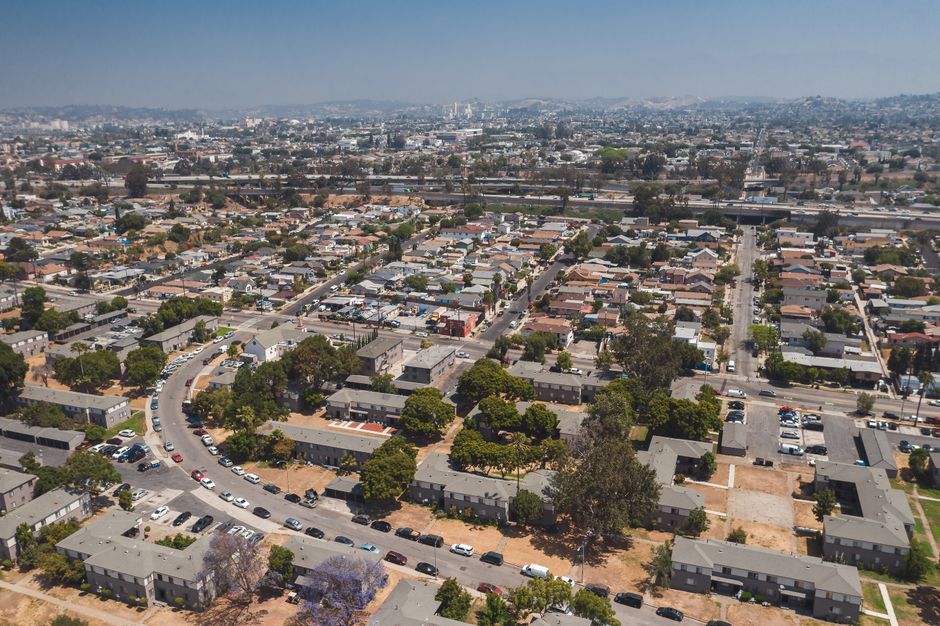
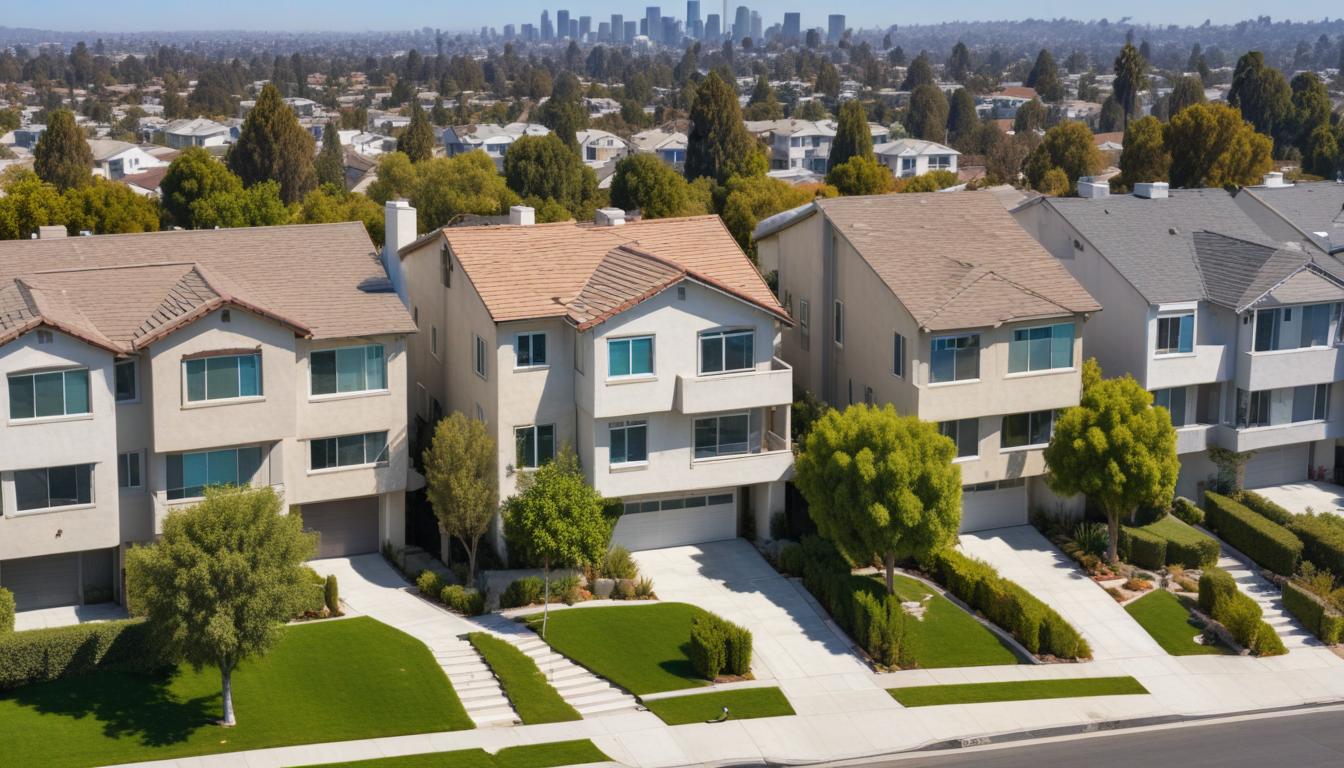
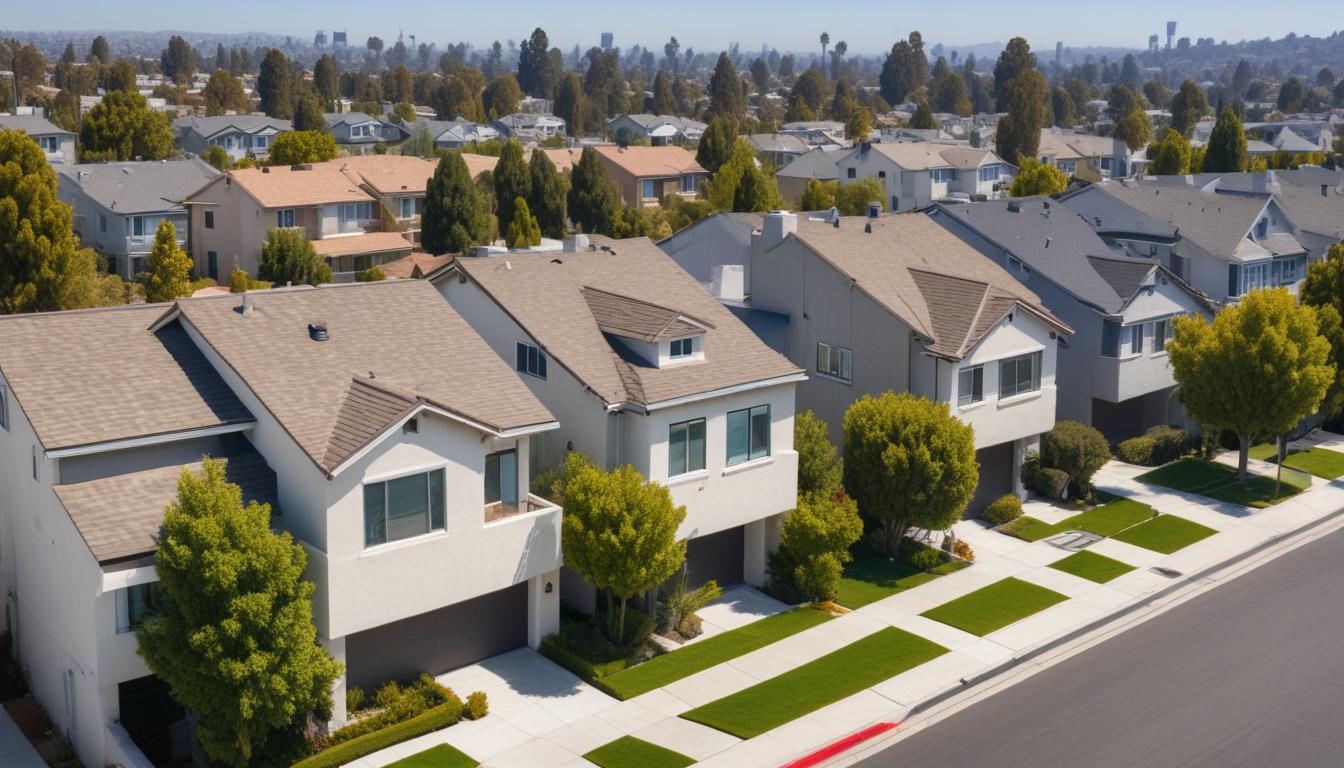
Los Angeles's rental market is sending mixed signals, and the stakes have never been higher for both sides of the lease agreement. While vacancy rates hover stubbornly low across prime neighbourhoods like Silver Lake and Echo Park, the conditions creating that scarcity are generating friction between tenants desperate for stable housing and landlords grappling with tighter margins.
The numbers tell a story of constraint. Across Los Angeles County, vacancy rates remain below 3 per cent in many competitive pockets, pushing median rents toward unsustainable levels for ordinary renters. A two-bedroom apartment in Echo Park now regularly commands $2,800 to $3,200 monthly—a 40 per cent increase from five years ago. Meanwhile, East LA, long positioned as an affordable alternative, is experiencing its own upward spiral as renters priced out of hipper neighbourhoods migrate eastward, seeking stability near the 101 Freeway corridor.
This compression benefits property owners with available units—at least on the surface. Landlords enjoy strong rental demand and the ability to be selective about tenants. Yet the relationship has deteriorated. Stricter Los Angeles tenant protections, including limits on rent increases and just-cause eviction requirements, have rebalanced power in ways that concern many small-time investors who depend on rental income. Some are responding by converting properties to condominiums or selling to larger institutional landlords, further reducing the supply of individual rental homes.
For renters, the squeeze manifests differently. The tight vacancy market means landlords can demand higher deposits, require extensive employment verification, and often conduct competing bidding scenarios—practices that disproportionately affect lower-income households in neighbourhoods like Boyle Heights and parts of Downtown LA. Tenants report difficulty negotiating lease terms when fifty other applicants wait in the wings.
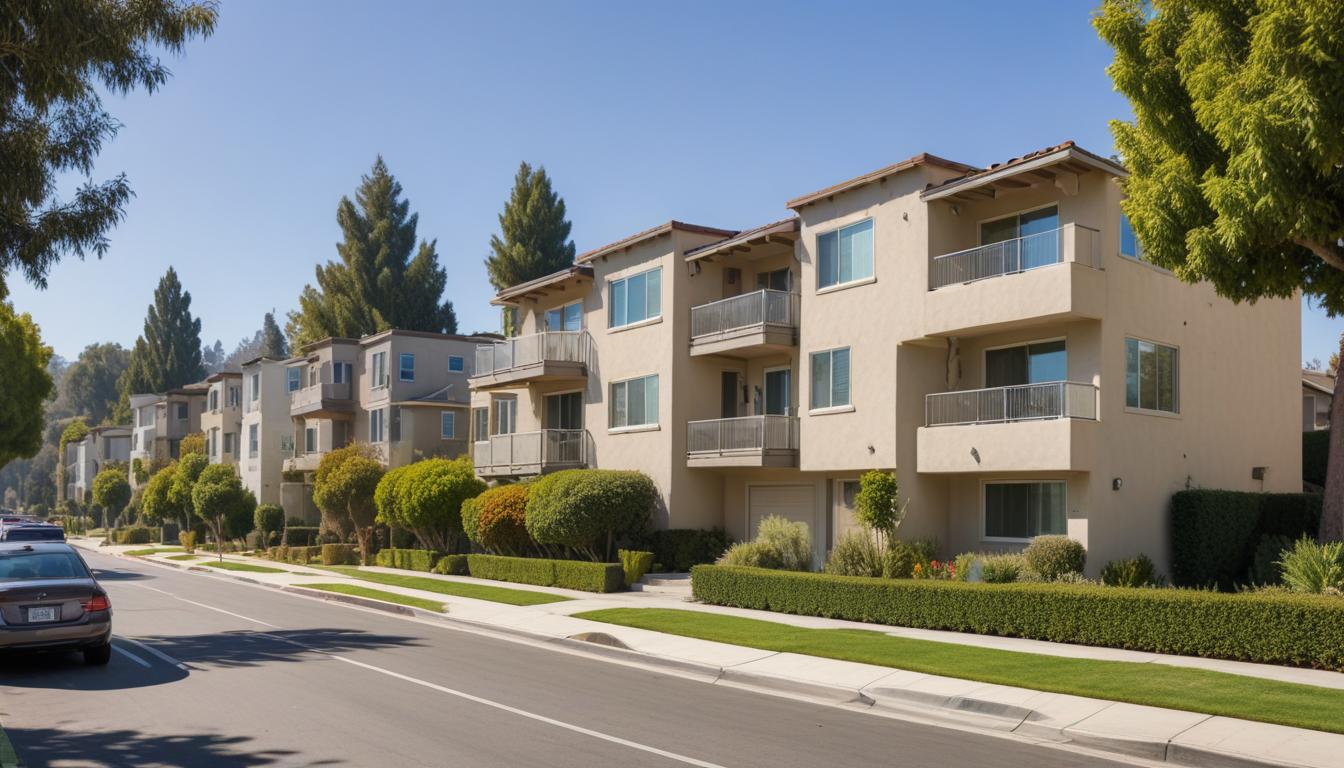
The accessory dwelling unit boom, spurred by state law changes, offers a potential pressure valve. Property owners throughout the Hollywood Hills and even modest Koreatown cottages are building ADUs, adding rental supply. Yet construction timelines and capital requirements mean relief remains months or years away.
Some organisations, including the Los Angeles Tenants Union, advocate for expanded rent control and right-to-purchase provisions. Property owner groups counter that such measures discourage new construction and maintenance investment. Both camps agree on one point: the current shortage demands creative solutions beyond the lease agreement itself.
Until market conditions shift—whether through significant new housing development or economic changes affecting migration patterns—expect the tension between landlord and tenant to remain a defining feature of LA's rental landscape.
This article was compiled by AI from the sources linked above and screened before publishing. See our editorial standards.
How does this story make you feel?
Spread the word
About this article
Published by The Daily Los Angeles
Daily brief
Free, in your inbox before 7am. Weekdays.
More in Property