What LA's Rental Yields Really Tell Us About the Housing Squeeze
As investor returns flatten across Los Angeles neighbourhoods, the numbers reveal a troubling story about affordability.
As investor returns flatten across Los Angeles neighbourhoods, the numbers reveal a troubling story about affordability.
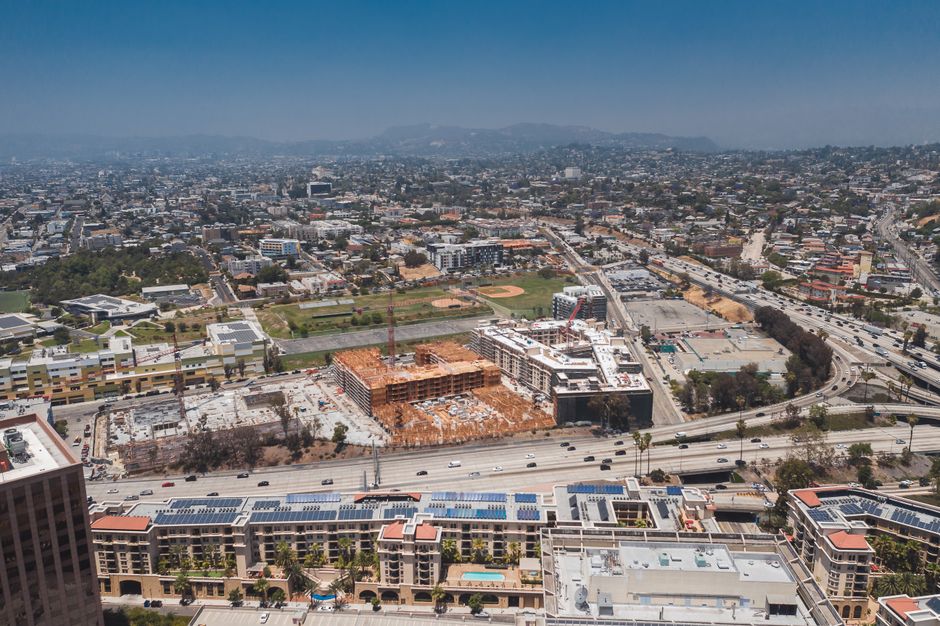
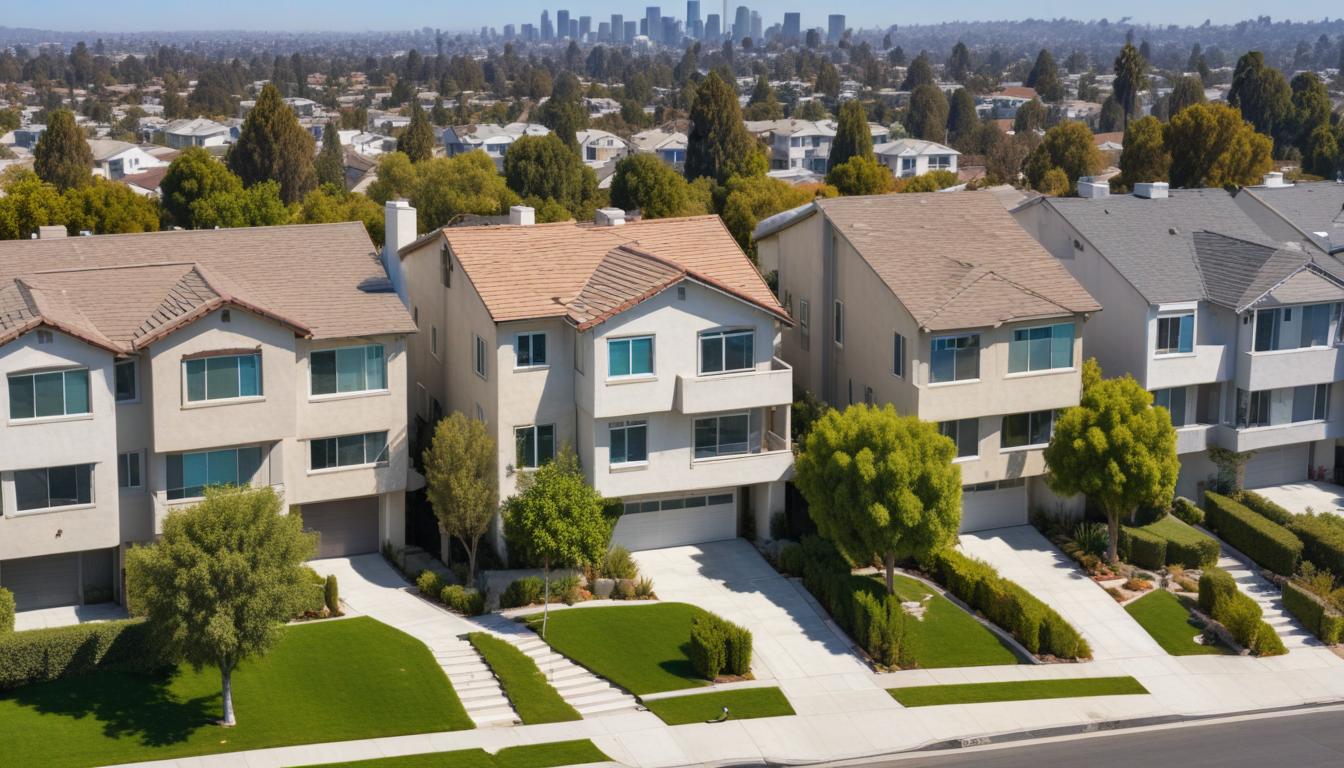
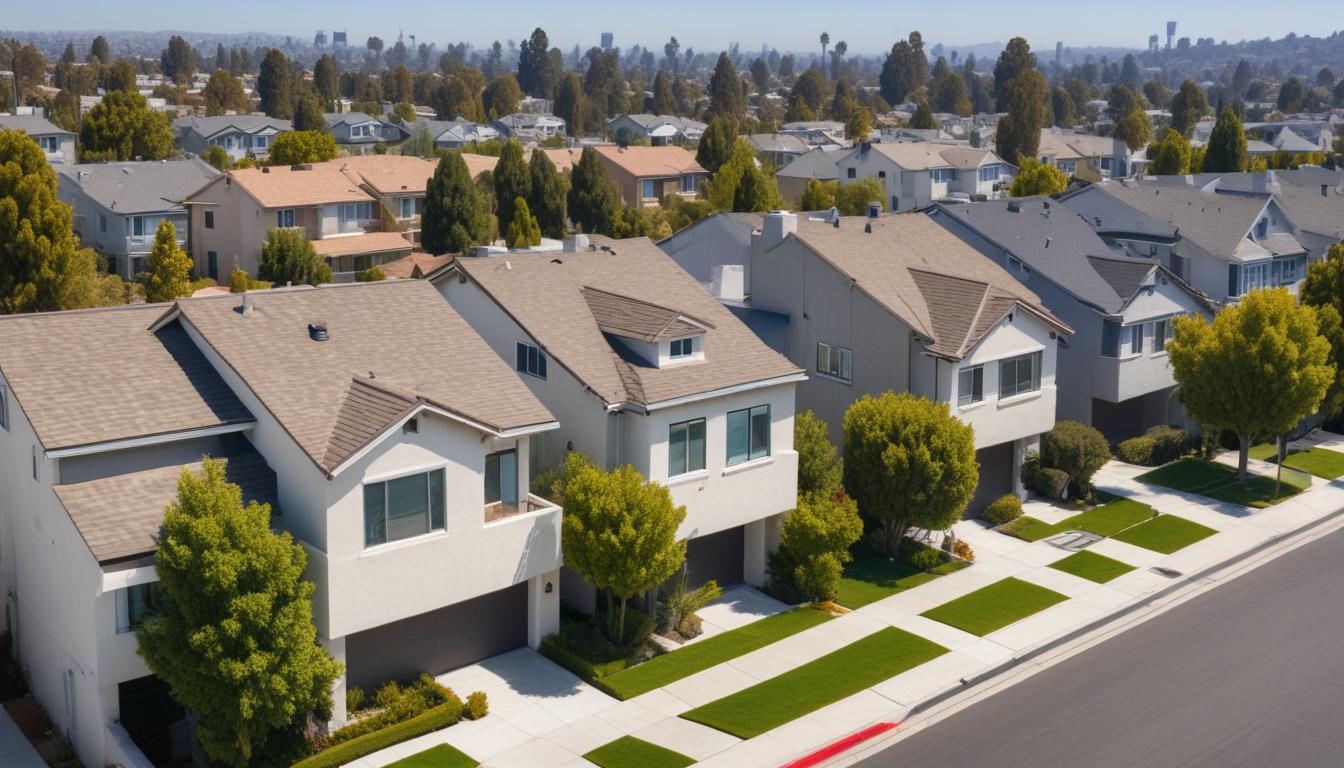
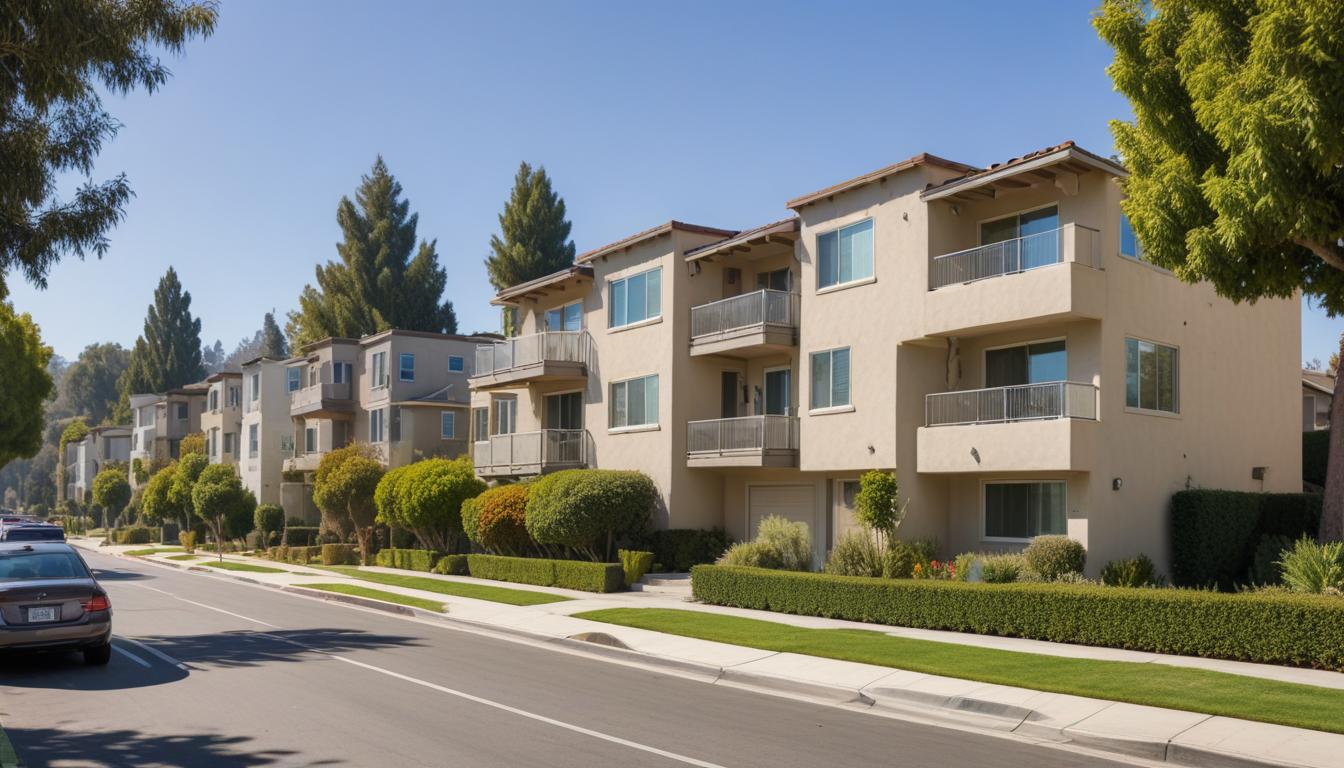
Los Angeles property investors are facing an uncomfortable reality: yields are tightening just as the city's affordability crisis deepens. With the median home price hovering near $870,000, rental returns across most neighbourhoods have compressed to levels that would make many investors reconsider their entry points—a shift that has profound implications for renters and first-time buyers alike.
The numbers tell the story. In traditionally high-yield pockets like Echo Park and Silver Lake, gross rental yields have slipped below 4 per cent, down from closer to 5 per cent just eighteen months ago. A typical $1.2 million home in Silver Lake might rent for $4,800 monthly—a 4.8 per cent return on paper, yet substantially lower when accounting for vacancy rates, property tax, maintenance, and insurance. East LA, where median prices have climbed to $750,000 amid recent growth, shows slightly healthier yields around 5.2 per cent, yet the neighbourhood's popularity among investors is driving values upward faster than rents can follow.
What's driving this compression? Supply constraints and speculation. As institutional investors and wealthy individuals continue buying across Los Angeles—from Bel Air's hillside estates to the emerging ADU boom reshaping single-family neighbourhoods—they're bidding up purchase prices while rent growth lags. The accessory dwelling unit surge, particularly in South Los Angeles and the San Fernando Valley, promised to ease affordability, yet many remain priced out of reach for average renters even as construction costs soar.
The Hollywood Hills luxury market operates in a different universe entirely. Properties trading above $3 million generate negligible rental yields—some owners accept 2 per cent returns or less, banking on capital appreciation rather than cash flow. This divide between speculative appreciation and actual rental income has become Los Angeles's defining property characteristic.
For everyday renters, flattening yields paradoxically worsen their position. Investors seeking better returns increasingly convert long-term rentals to short-term vacation lets on platforms popular in Silver Lake and Echo Park, reducing the permanent rental stock. Others hold properties speculatively, leaving units vacant or underutilised, further constraining supply that might moderate rents elsewhere.
The data suggests Los Angeles has entered a new phase: property as wealth storage rather than income generation. Until yields improve substantially—either through rent growth or price corrections—the investor-driven market will continue reshaping neighbourhoods in ways that prioritise wealth accumulation over housing availability. For renters and first-time buyers watching prices climb faster than wages, that's a troubling calculus indeed.
This article was compiled by AI from the sources linked above and screened before publishing. See our editorial standards.
How does this story make you feel?
Spread the word
About this article
Published by The Daily Los Angeles
Daily brief
Free, in your inbox before 7am. Weekdays.
More in Property