Why LA Housing Prices Keep Climbing—and What Buyers Need to Know Right Now
Supply constraints, investor demand, and rising construction costs are reshaping affordability across Los Angeles, from Echo Park to East LA.
Supply constraints, investor demand, and rising construction costs are reshaping affordability across Los Angeles, from Echo Park to East LA.
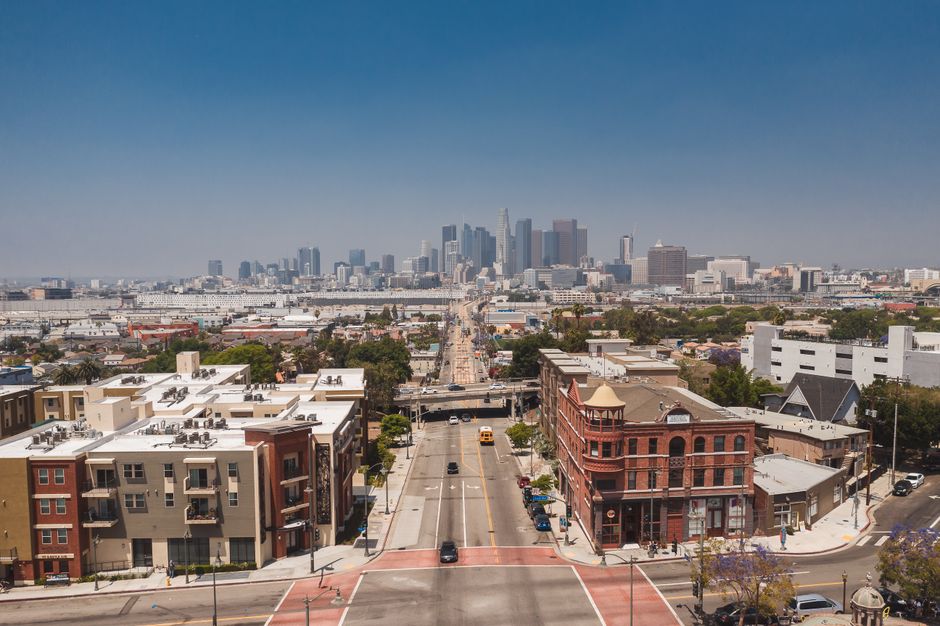
Los Angeles housing prices have reached a new inflection point. With the median home price hovering around $870,000, the market is being driven by a perfect storm of supply scarcity, institutional investor appetite, and construction inflation that shows no signs of easing.
The primary culprit? Land. Even as clearance rates dip nationally, Los Angeles remains a magnet for capital. This paradox stems from the region's constrained developable inventory. Zoning restrictions, environmental reviews, and lengthy permitting processes—particularly in coveted areas like Silver Lake and Echo Park—have created an artificial ceiling on new housing stock. When supply tightens, prices naturally climb. Empty lots near Sunset Boulevard and Los Feliz Boulevard are now commanding near-premium prices on speculation alone, as developers gamble that entitlements will eventually materialise.
The second driver is investor consolidation. Institutional buyers and affluent international purchasers continue to view LA property as a store of value. This is especially evident in the Hollywood Hills and Bel Air, where trophy homes have become interchangeable with fine art investments. But the squeeze is also felt in secondary markets. East LA has emerged as a growth corridor, with investors betting on gentrification and transit connectivity. That confidence, while economically rational, prices out first-time buyers who depend on wage growth rather than portfolio diversification.
Construction costs deserve equal billing. Labour shortages, material inflation, and stricter building codes have made new development expensive. This is why the ADU boom remains so critical to LA's affordability conversation. Accessory dwelling units, now permitted across much of Los Angeles County, offer a lower-cost pathway to homeownership and rental diversification. However, even these face headwinds: zoning overlays, parking requirements, and financing challenges limit their scalability.
For buyers navigating this landscape in 2026, the message is clear: timing and location matter more than ever. First-time buyers priced out of central areas should examine emerging corridors in East LA, parts of Koreatown, and communities along the Metro expansion zones. Conversely, those with capital should understand that price appreciation has already baked in considerable future growth—particularly in trophy markets.
The fundamental truth is this: Los Angeles isn't facing a simple affordability crisis. It's experiencing a structural market realignment where supply cannot keep pace with demand. Until zoning reform accelerates, entitlement timelines compress, and construction costs stabilise, expect continued upward pressure. Smart buyers today are those who recognise that LA's housing market is increasingly a tale of two cities: those who bought early, and those calculating whether to sit out this cycle.
This article was compiled by AI from the sources linked above and screened before publishing. See our editorial standards.
How does this story make you feel?
Spread the word
About this article
Published by The Daily Los Angeles
Daily brief
Free, in your inbox before 7am. Weekdays.
More in Property