How LA's New Zoning Reforms Are Reshaping Investment Property Yields Across the City
Recent planning decisions on ADUs, mixed-use development and rent control are forcing savvy landlords to recalculate returns—and reposition portfolios.
Recent planning decisions on ADUs, mixed-use development and rent control are forcing savvy landlords to recalculate returns—and reposition portfolios.
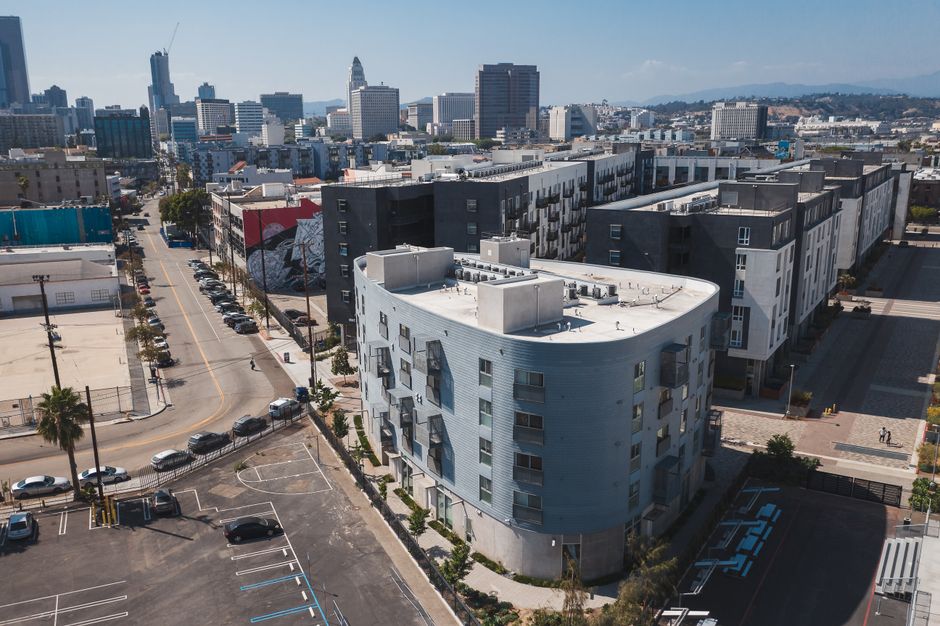
Los Angeles property investors are recalibrating their strategies as a wave of planning reforms fundamentally alters yield calculations across the city. With the median home price hovering near $870,000 and competition intensifying in established neighbourhoods like Silver Lake and Echo Park, the real estate playbook is shifting—and understanding policy implications has become essential.
The accessory dwelling unit (ADU) boom remains the most visible change. City Council's streamlined permitting process has unlocked thousands of small units, particularly across East LA and the San Fernando Valley, where land costs remain lower than westside markets. Investors who'd previously relied on single-family rental yields of 4–5% now face competition from ADU portfolios generating 6–8% returns. However, this comes with regulatory complexity: recent amendments to Section 12.00 of the Los Angeles Municipal Code have tightened affordability requirements, capping rent increases in newly constructed ADUs on properties receiving city financing assistance.
For landlords operating in neighbourhoods like Los Feliz and Koreatown, the implications are substantial. A $750,000 purchase with plans for an ADU granny flat generates meaningfully different income if affordability restrictions apply—potentially reducing net yield by 1.5–2 percentage points over the mortgage term. Sophisticated investors are now factoring compliance costs and restricted-income timelines into acquisition models.
Mixed-use zoning changes near commercial corridors—Hollywood Boulevard, Melrose Avenue, and Atlantic Boulevard in East LA—have created new opportunities, but with strings attached. The city's push to encourage ground-floor retail with residential above has generated enthusiasm, yet overlay district regulations require specific setbacks, parking ratios, and community benefit agreements. These add 6–12 months to project timelines and can consume 10–15% of projected returns before a single tenant arrives.
Rent stabilisation expansion also looms. The city's ongoing review of which neighbourhoods qualify for expanded rent control—particularly in rapidly gentrifying areas like Highland Park and Boyle Heights—creates uncertainty for investors holding longer-term portfolios. While existing rent-controlled properties have already pricing this in, acquisitions in emerging neighbourhoods now carry implicit policy risk that didn't exist two years ago.
Smart investors are pivoting toward markets where policy tailwinds remain visible: emerging East LA corridors with less restrictive overlays, and secondary neighbourhoods where ADU additions remain straightforward. The era of passive buy-and-hold is ending. Today's successful landlords are policy trackers first, and landlords second.
This article was compiled by AI from the sources linked above and screened before publishing. See our editorial standards.
How does this story make you feel?
Spread the word
About this article
Published by The Daily Los Angeles
Daily brief
Free, in your inbox before 7am. Weekdays.
More in Property