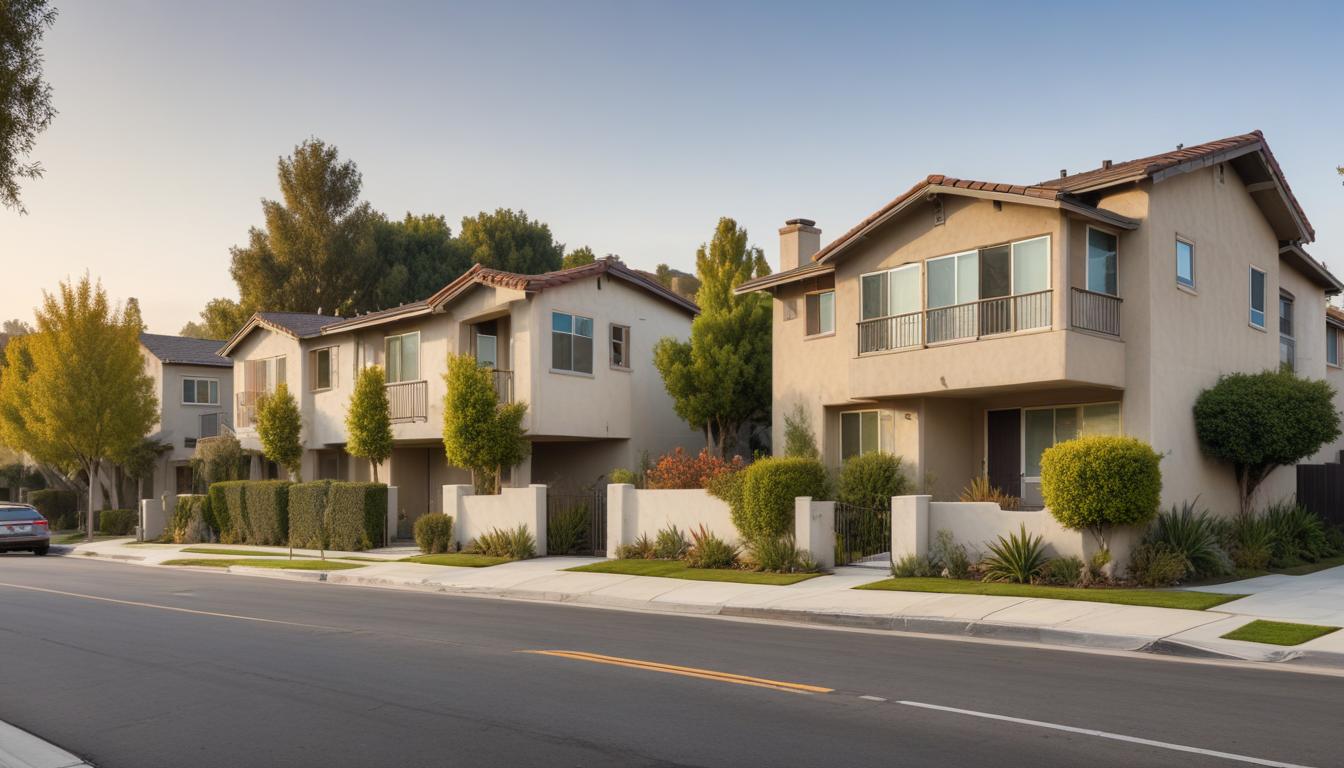
For the first time in nearly a decade, Los Angeles renters are catching a break. Apartment vacancy rates across the city have climbed to approximately 6.2 percent—still tight by national standards, but a marked shift from the sub-4 percent crisis conditions that defined 2023 and early 2024. The change is rippling through neighbourhoods from Silver Lake to East LA, fundamentally altering how landlords and tenants negotiate the rental landscape.
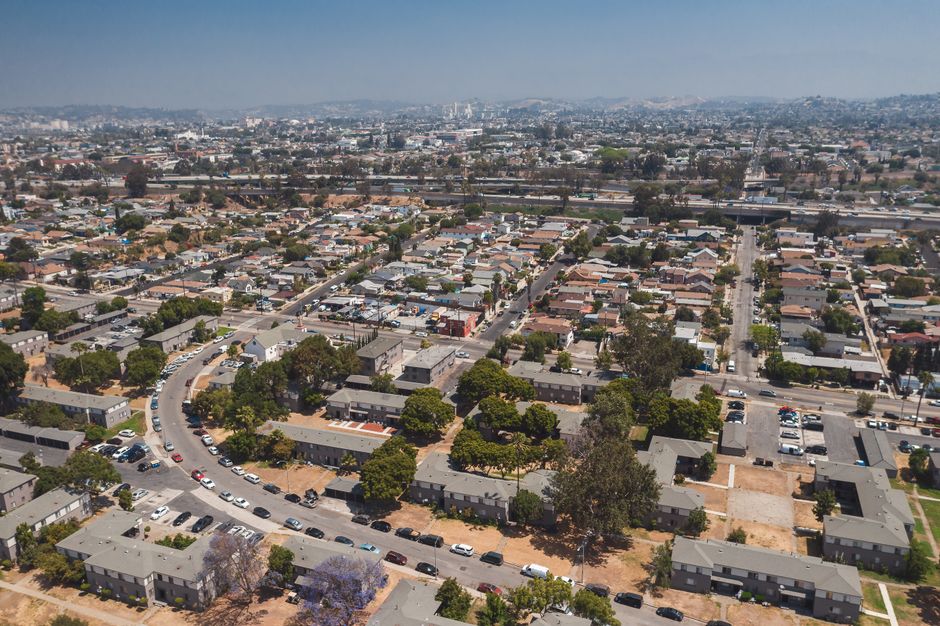
In Silver Lake and Echo Park, where rents once commanded $2,400 monthly for a one-bedroom apartment, landlords are now offering concessions: one month free, waived application fees, or flexible lease terms. The Sunset Junction corridor, traditionally a landlord's stronghold, has seen average asking rents dip 3 to 5 percent year-over-year. Meanwhile, East LA—long positioned as an emerging rental hotbed—is experiencing softening demand after rapid appreciation, with units sitting vacant for 45 days on average rather than the typical 10 to 14 days of prior years.
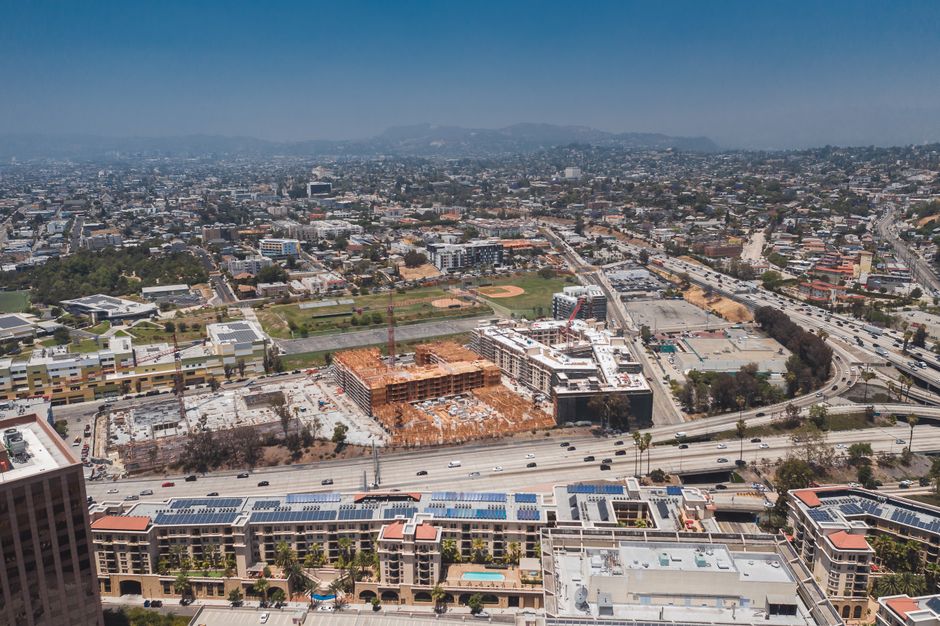
The causes are manifold. Remote work patterns have stabilised, reducing migration from coastal tech hubs. Construction of new apartment buildings, including ADU developments across LA's residential zones, has finally increased supply after a decade of undersupply. Interest rate stability has also allowed some renters to transition into homeownership, particularly as median home prices—hovering around $870,000 across the county—have plateaued.
For tenants, the window is narrow. Organisations like the Los Angeles Tenants Union have seized on this moment to advocate for stronger rent-control expansions and anti-displacement policies. Renters securing new leases near Koreatown or along the Hollywood Hills perimeter are pushing back against above-market increases in ways previously unthinkable. Meanwhile, landlords who relied on bidding wars and annual 7-8 percent rent hikes are reassessing business models.
However, economists caution against declaring the crisis over. West LA and Bel Air luxury rentals remain insulated, with high-end buildings posting zero vacancy. Moreover, demographic pressures—including population growth and immigration—suggest tight conditions will return. The California Apartment Association suggests the 6.2 percent figure masks significant neighbourhood variation; some pocket communities remain constrained.
For now, tenants negotiating near the Venice Boulevard corridor or searching in underutilised properties should leverage this moment. Landlords holding firm on premium pricing risk extended vacancies. The pendulum hasn't swung dramatically, but after years of scarcity-driven markets, even modest shifts reshape lives across the city's rental ecosystem.
This article was compiled by AI from the sources linked above and screened before publishing. See our editorial standards.