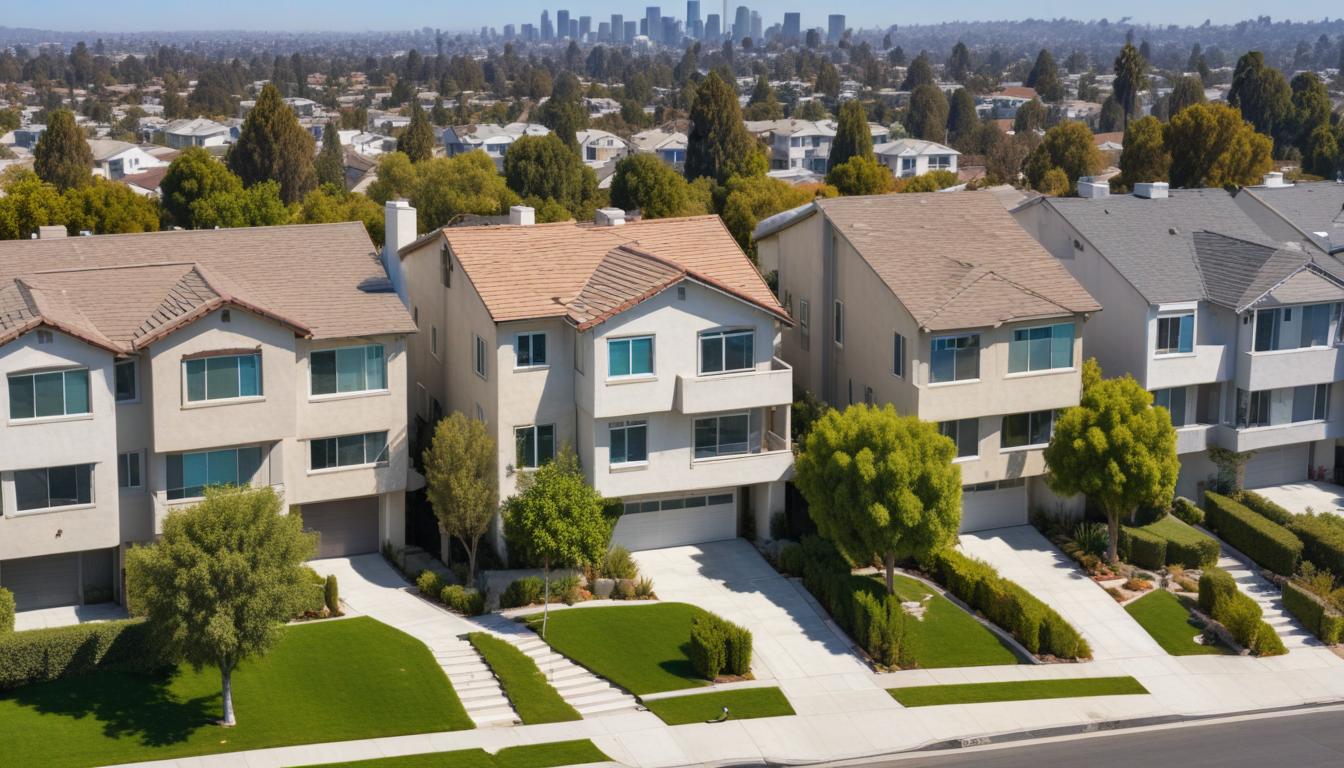
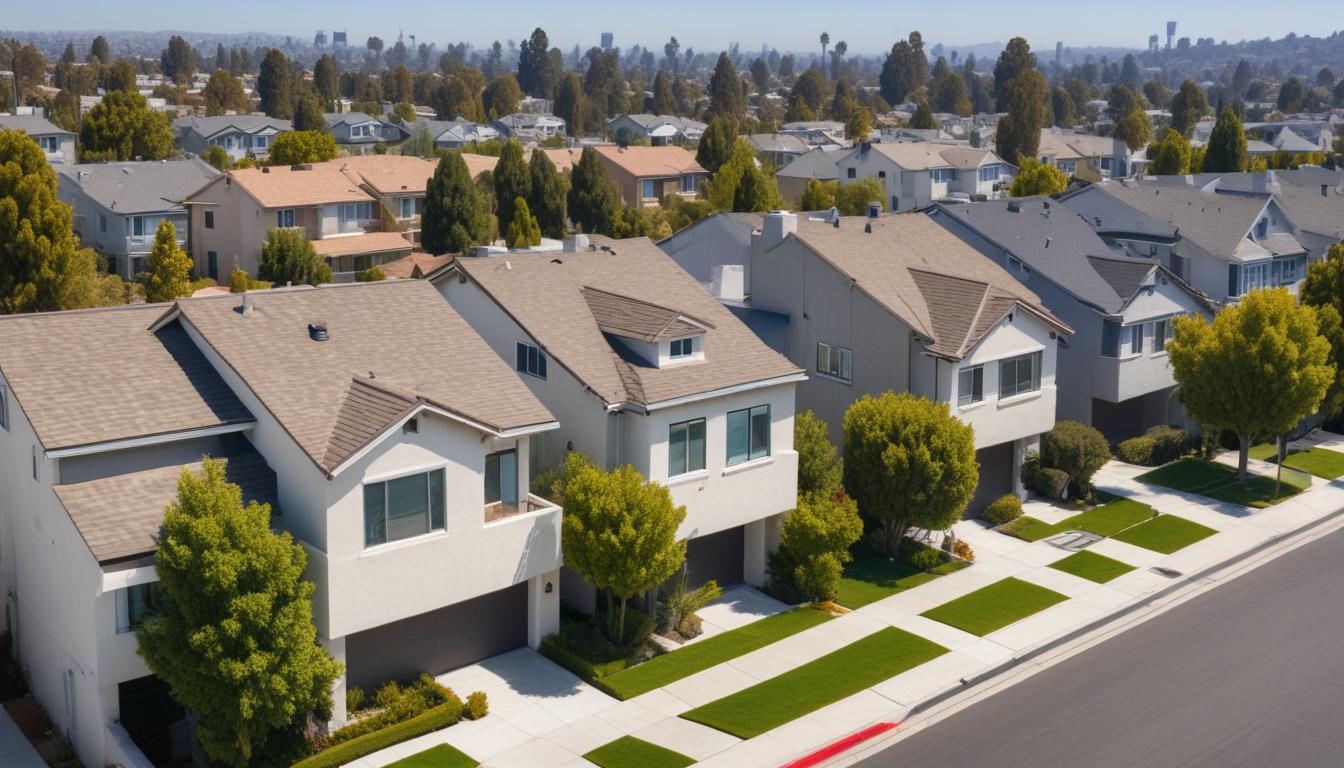
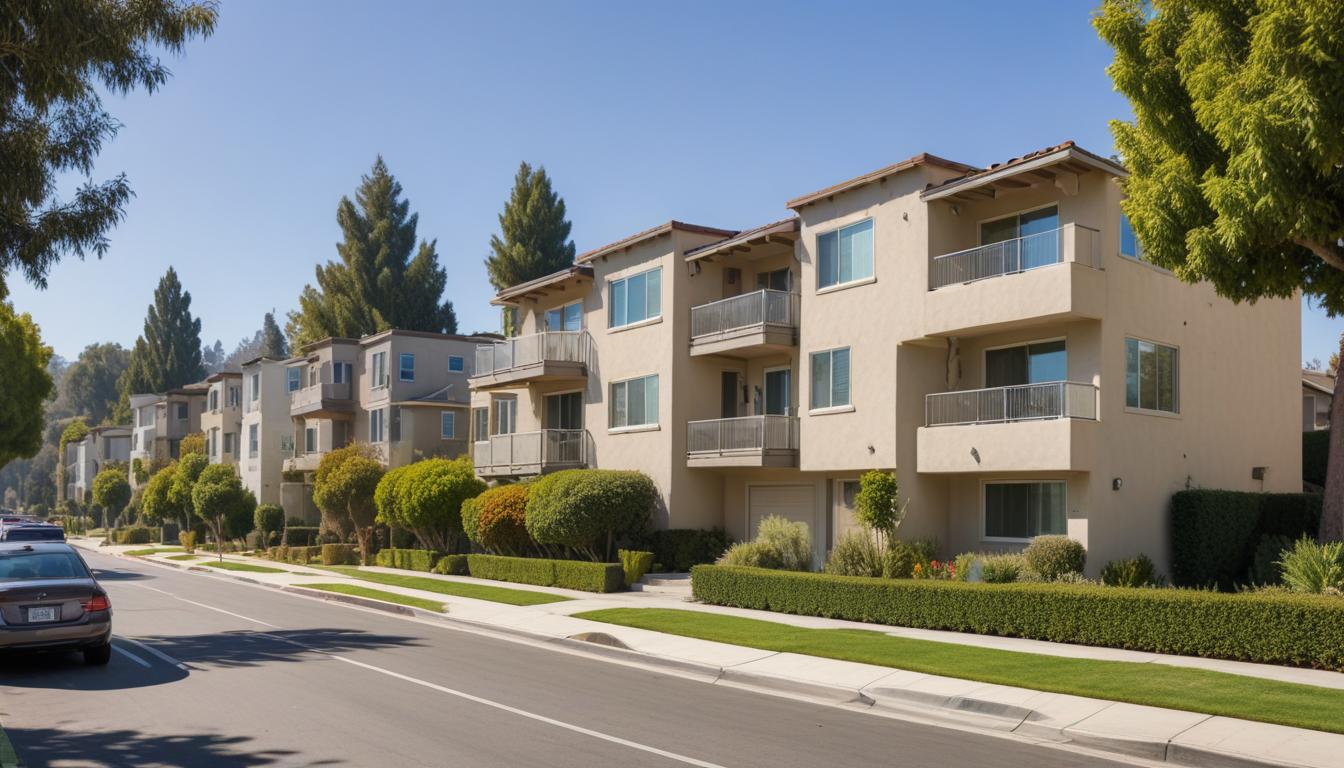
Los Angeles's luxury property market has evolved into a specialist domain, where first-time buyers with serious capital face a landscape markedly different from traditional home purchasing. Whether you're eyeing a renovated craftsman in Silver Lake or a contemporary mansion overlooking the Hollywood Bowl, understanding the rules of engagement is essential.
The entry point matters enormously. While LA's median sits at $870,000, true luxury neighbourhoods demand premium positioning. Hollywood Hills properties regularly command $2.5 million to $8 million, while Bel Air estates start substantially higher. Silver Lake and Echo Park, once considered emerging, now see comparable properties at $1.8 million upward—particularly those with modern renovations near Sunset Boulevard or with direct views toward Downtown LA.
First-time luxury buyers should prioritise representation from agents specialising in high-net-worth transactions. These professionals navigate off-market sales, pocket listings, and complex negotiations that public MLS data doesn't capture. The luxury market operates at different velocity; properties in prime locations can sell within days of listing, particularly when positioned correctly through exclusive channels.
Professional inspections and due diligence take on heightened importance. Structural assessments, earthquake retrofitting credentials, and zoning verification—particularly relevant in Hollywood Hills and Bel Air where hillside construction faces stringent regulations—should be non-negotiable. LA's hillside fire zones also impact insurance and resale potential significantly.
Consider working with a tax strategist and wealth advisor before purchasing. Luxury acquisitions involve depreciation schedules, trust structures, and capital gains planning that dramatically affect long-term returns. Properties held within certain entity types or purchase timings yield substantially different tax outcomes.
The concurrent ADU boom reshaping East LA presents opportunities for value-conscious luxury buyers. Properties with approved accessory dwelling units or development potential offer income offset and future appreciation hedges that straightforward residential purchases cannot match.
Financing luxury property differs from standard mortgages. Jumbo loan rates, portfolio lenders, and private lending each carry distinct advantages depending on your timeline and capital structure. Banking relationships matter—institutions like those serving Bel Air's established wealth often provide more flexible terms than conventional lenders.
Finally, recognise that luxury property in Los Angeles is fundamentally about location layering: neighbourhood prestige, street position, view corridor, and proximity to cultural anchors (the Hollywood Bowl, Silver Lake reservoir, Griffith Observatory) all compound value. First-time buyers often overlook secondary factors—parking capabilities, privacy screening, outdoor entertaining space—that command eight-figure adjustments in Hollywood Hills and comparative neighbourhoods.
The luxury market rewards patient, informed buyers. Moving slowly, building advisory teams, and understanding neighbourhood-specific dynamics transforms what initially appears exclusive into an accessible pathway for serious acquisitions.
This article was compiled by AI from the sources linked above and screened before publishing. See our editorial standards.