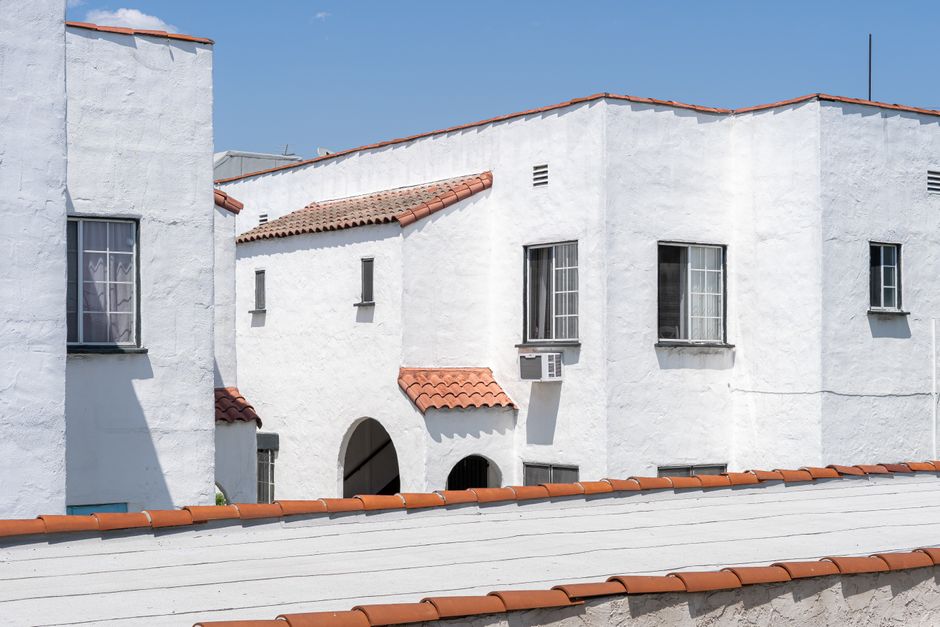
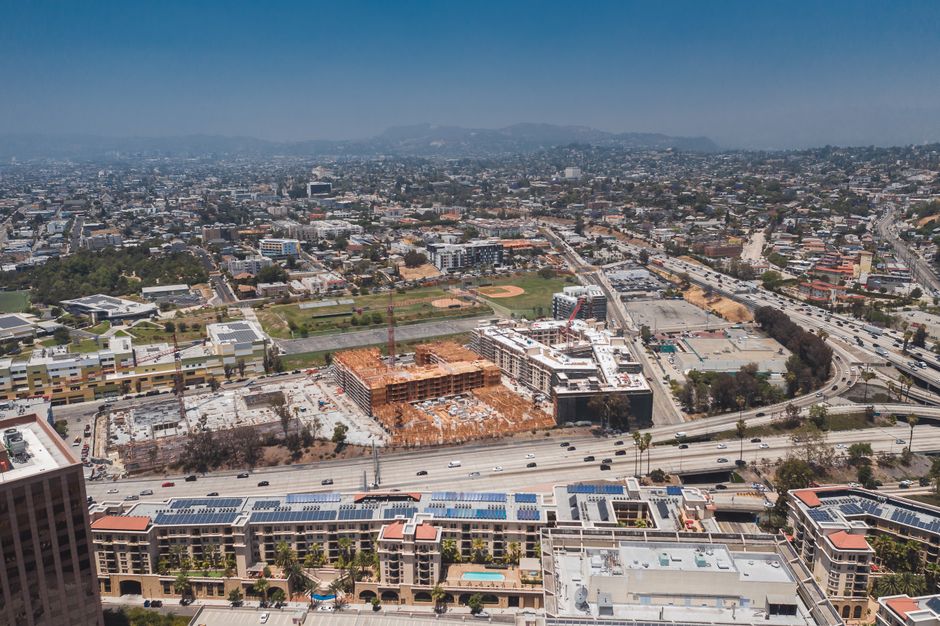
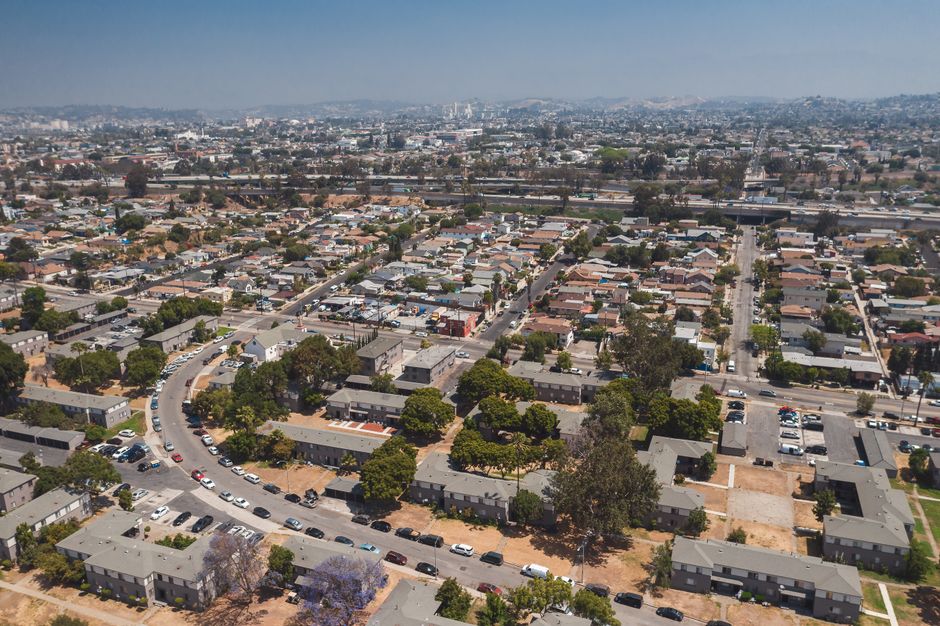
The vacant lot on Figueroa Street in Highland Park sat empty for nearly a decade. Today, it's the site of a mixed-use development promising 120 apartments, ground-floor retail, and parking—a microcosm of the transformation reshaping Los Angeles' housing landscape in 2026.
With the median home price hovering near $870,000 across the city, new residential projects have become the focal point of Los Angeles' affordability debate. Unlike single-family home sales in Bel Air and Hollywood Hills, which remain stratospheric, mid-rise and multifamily developments in neighborhoods like Silver Lake, Echo Park, and increasingly East LA, represent the most realistic path to expanding housing supply at scale.
The numbers tell a striking story. According to recent city planning data, Los Angeles is experiencing one of its largest development booms in decades, with over 50,000 residential units in various stages of approval or construction across all neighborhoods. Yet affordability remains elusive. Many new projects in Silver Lake and Echo Park have rents starting at $2,200 for studios and $3,100 for one-bedrooms—still out of reach for households earning median wages.
The ADU boom has offered an alternative pathway, particularly in single-family neighborhoods. Homeowners from Los Feliz to Westchester have added secondary units, injecting rental inventory without the high construction costs of traditional development. However, these units rarely address the affordability crisis at its root.
East LA presents a different trajectory. Several major developments are underway near Atlantic Boulevard and Whittier Boulevard, where land costs remain lower and zoning has recently been relaxed. Planners hope these projects—mixed-income by design—might offer more moderately priced units than their westside counterparts. Early proposals include deed restrictions to maintain affordability for 30 to 55 years, though enforcement mechanisms remain contested.
The real test comes in implementation. A downtown Los Angeles mixed-use development completed in 2024 promised 200 affordable units but ultimately delivered only 60, after market conditions shifted. Community organizations from the Coalition LA to local advocacy groups are now insisting on binding affordability guarantees before projects break ground.
For longtime residents of rapidly gentrifying areas, these developments carry dual meaning: hope for more housing stock, anxiety about displacement. As construction cranes multiply across the Los Angeles skyline, the question isn't whether new homes will be built—it's whether they'll be built for the people who call LA home.
This article was compiled by AI from the sources linked above and screened before publishing. See our editorial standards.