Los Angeles is experiencing a rental vacancy paradox. While citywide vacancy rates hover near historic lows—sitting at approximately 3.2 percent compared to the national average of 6.5 percent—new zoning reforms and housing policy changes are fundamentally altering where and how renters can find affordable space.
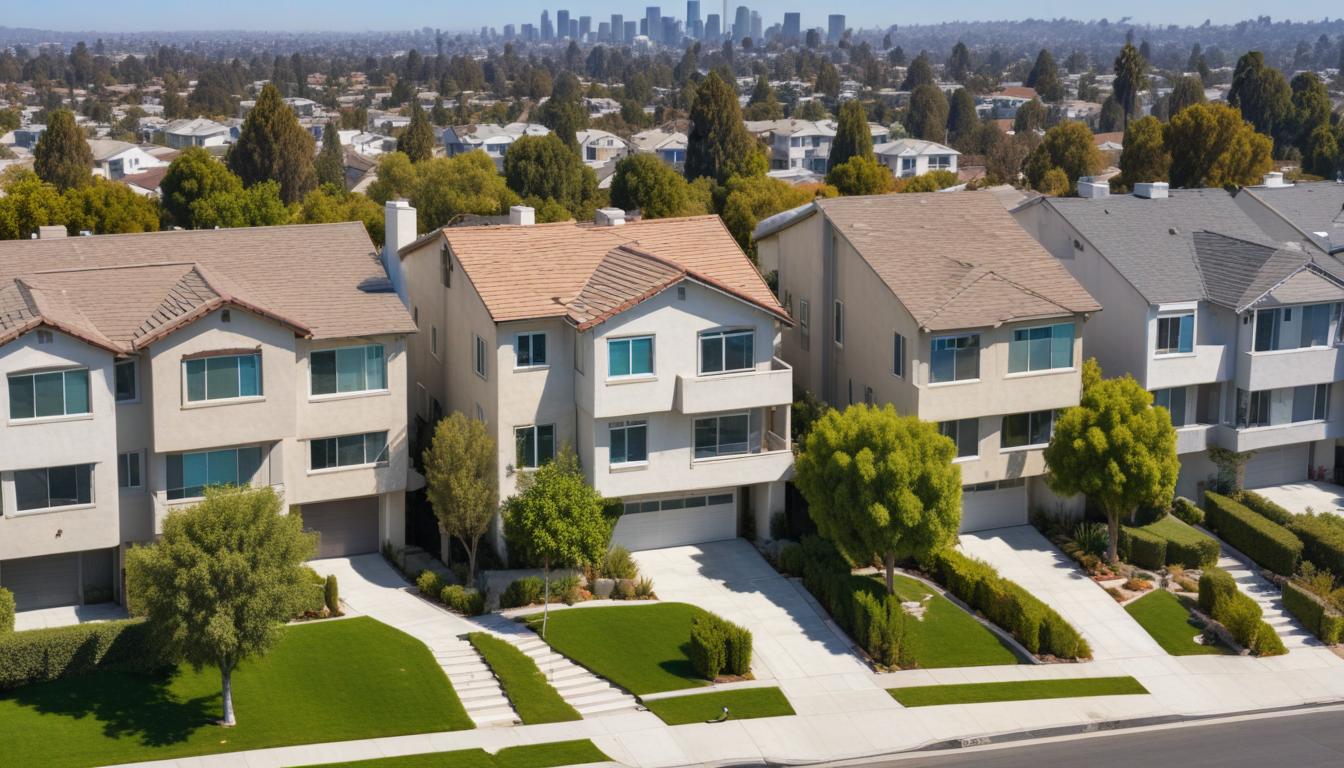
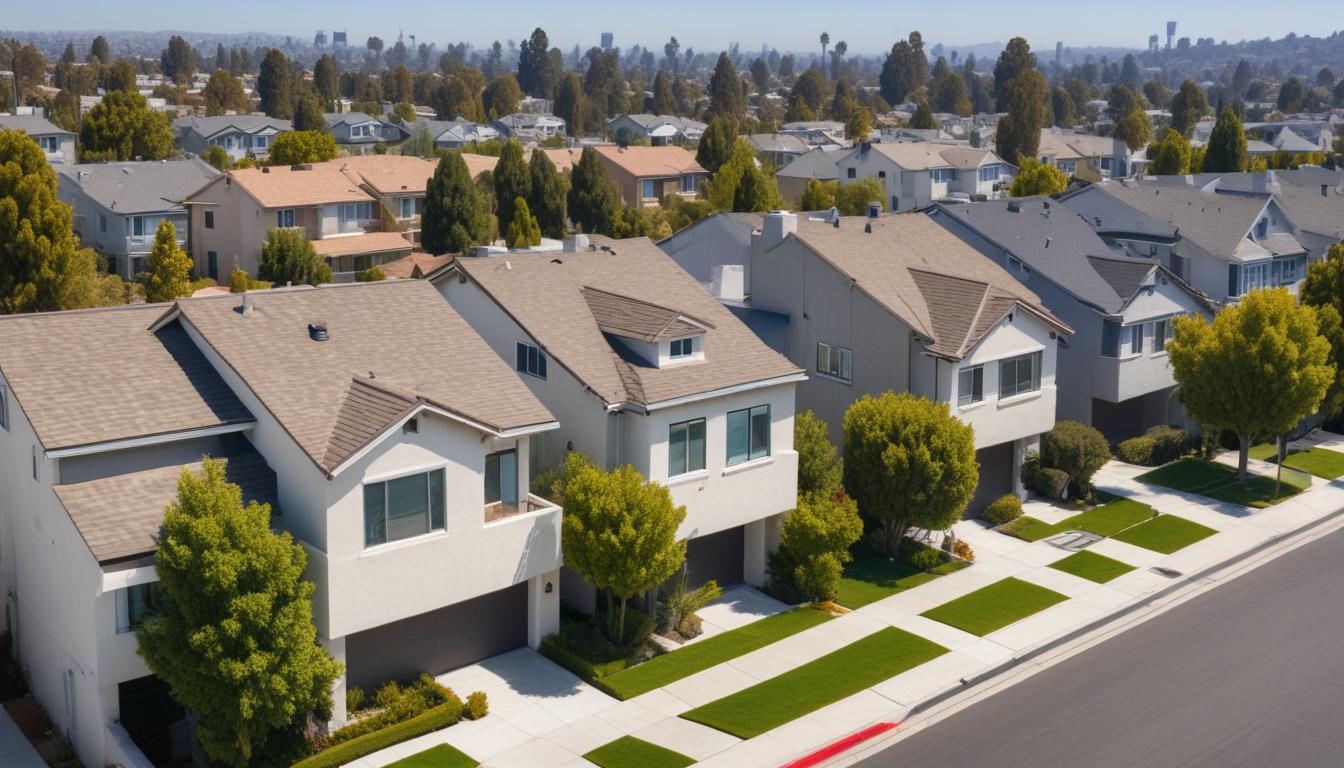
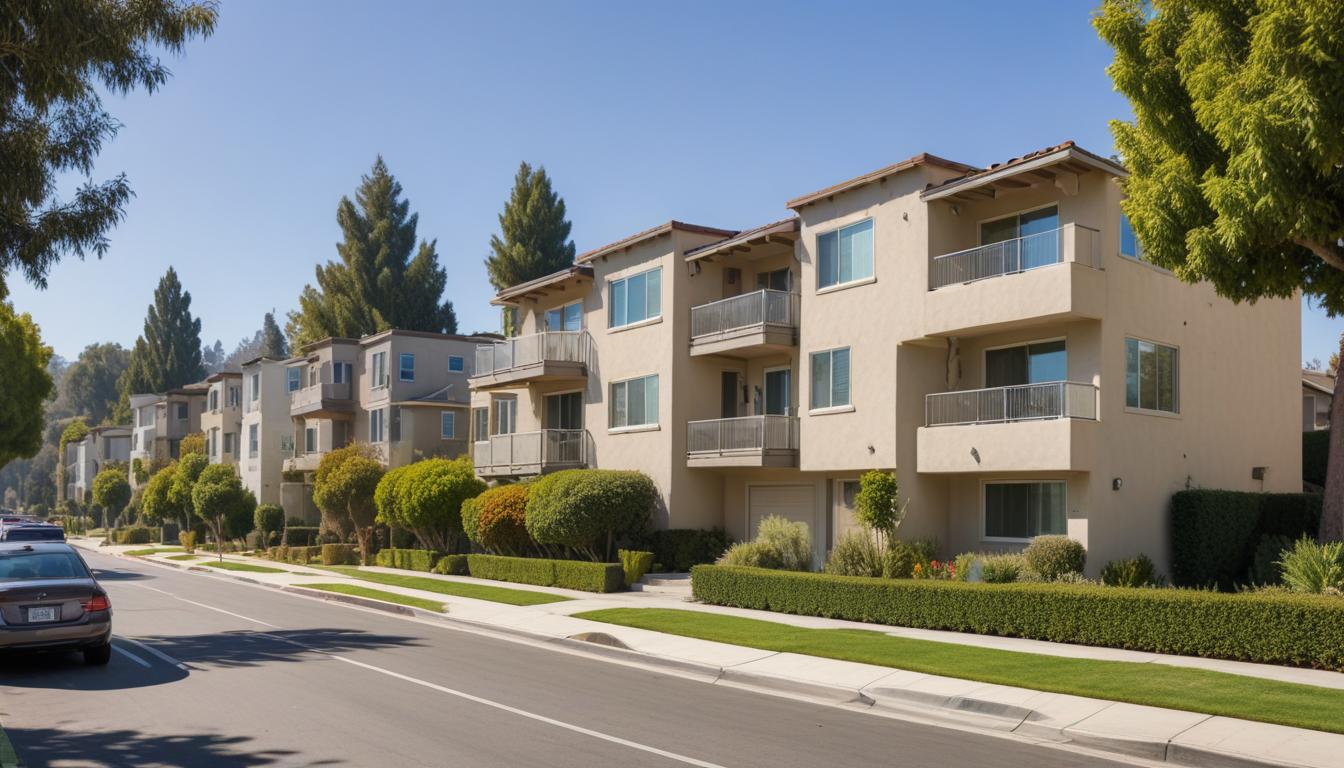
The catalyst: LA's revised Adaptive Reuse Ordinance and the city's aggressive push toward Accessory Dwelling Unit (ADU) development are reshaping neighbourhood dynamics from Silver Lake to East LA. The former is converting underutilised commercial buildings in downtown and mid-city corridors into residential units, while the latter is fracturing single-family neighbourhoods into multi-unit zones. For tenants, the implications are significant.
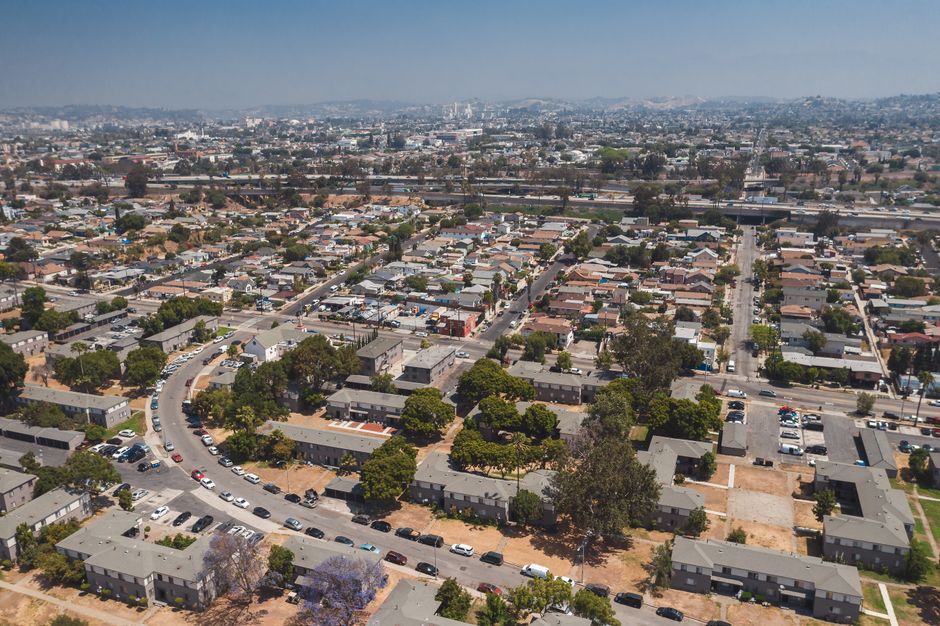
East LA has emerged as the unexpected winner. Median rents here remain roughly 15-20 percent below the city average of $2,100 monthly for a two-bedroom, yet new development pipelines and policy incentives are attracting younger professionals priced out of Echo Park and Los Feliz. However, this demographic shift has triggered anti-displacement concerns. The Los Angeles Housing and Community Investment Department (LAHCID) recently strengthened just-cause eviction protections and right-to-counsel programmes—moves that reflect how policy is now explicitly designed to protect tenants from speculative landlord behaviour.
Silver Lake, traditionally a creative-class stronghold, tells a different story. Rent growth here has plateaued at roughly 2.8 percent annually, a slowdown attributed partly to new tenant protections and partly to supply finally meeting demand. The neighbourhood's vacancy rate has ticked up to 4.1 percent—still tight, but looser than 18 months ago—thanks to conversion projects along Sunset Boulevard and near the Silver Lake Reservoir.
But not all policy shifts favour renters. The city's revised Short-Term Rental (STR) regulations, while ostensibly protective, have paradoxically reduced long-term rental stock as some landlords exit rather than comply. Meanwhile, stricter rent-control exemptions for new construction mean units built after 2024 can command premium prices, effectively stratifying the market.
For prospective tenants, the lesson is clear: geography now intertwines with policy literacy. Understanding which neighbourhoods benefit from adaptive reuse zoning or ADU mandates—versus those facing STR-driven supply loss—has become essential due diligence. Organisations like the Community Law Center on North Broadway in downtown LA now offer free tenant rights workshops specifically addressing these evolving protections.
The rental market isn't tightening uniformly. It's fragmenting by policy zone, and savvy renters are learning to navigate accordingly.
This article was compiled by AI from the sources linked above and screened before publishing. See our editorial standards.