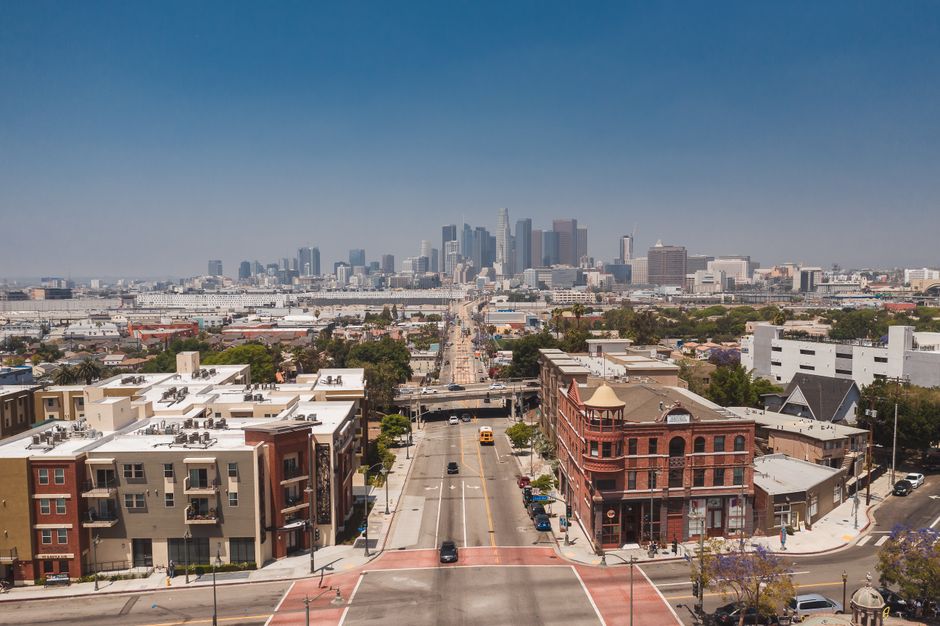
The Arts District has long been LA's creative laboratory—a gritty, industrial pocket where artists converted loft spaces and galleries flourished in the shadows of the 101. But the neighbourhood is entering a new chapter, and the catalyst is a wave of development projects that promise to fundamentally reshape residential and commercial life east of downtown proper.
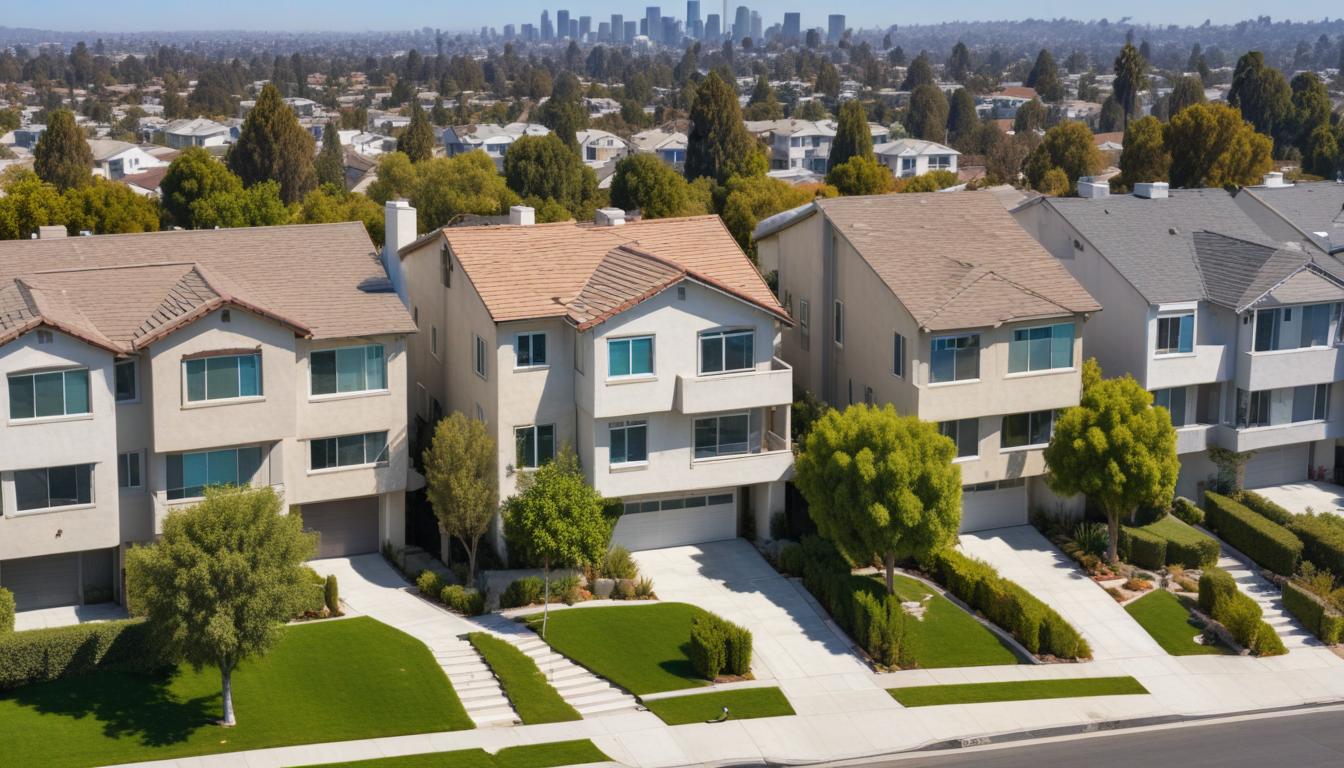
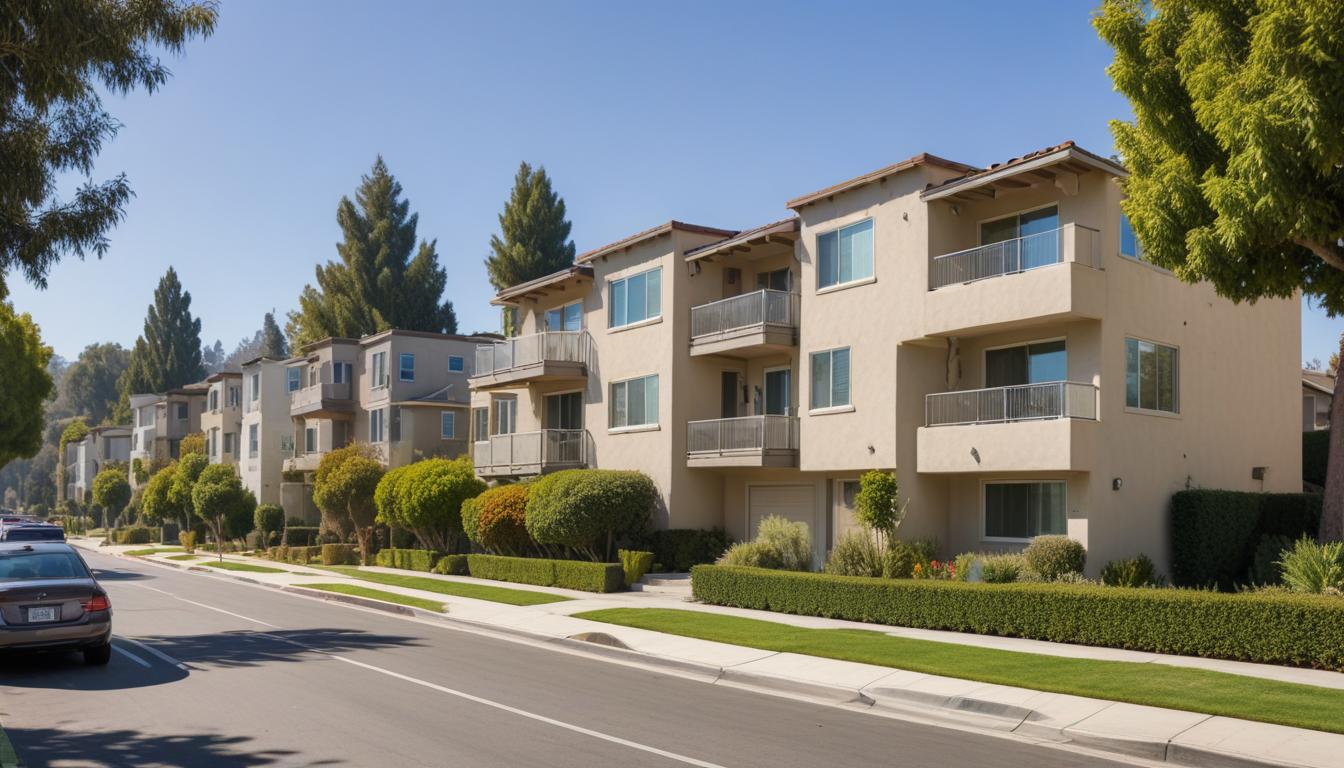
The most visible marker is the continued buildout along Santa Fe Avenue, where a series of adaptive reuse projects and new residential towers are changing the streetscape. Mixed-use developments combining ground-floor retail, creative workspaces, and mid-rise apartments are now the norm rather than the exception. One significant project, transforming a former manufacturing site near Palmetto Street, brings 400-plus residential units to the neighbourhood—a scale that would have been unthinkable here five years ago. The median asking price for Arts District lofts has climbed to $795,000, up sharply from $620,000 in 2022, reflecting investor appetite for the area's ongoing gentrification.
What's driving this shift? Proximity matters. The neighbourhood sits equidistant from Silver Lake's established desirability and downtown's accelerating revitalisation. Transit improvements—the growing network around Union Station—make commuting to Century City or Santa Monica more feasible. Simultaneously, the Arts District offers something Silver Lake and Echo Park no longer reliably do: affordable-ish entry points and available land for serious redevelopment.
Local stakeholders remain cautiously optimistic yet vigilant. The Arts District Community Coalition has pushed developers to commit to affordable housing components—a critical issue as market-rate rents approach $2,100 monthly for one-bedroom units. Several approved projects now include 15–20 percent affordable units, a meaningful win though still modest compared to citywide need.
The wildcard is cultural preservation. The Hauser & Wirth gallery, MOCA's satellite presence, and independent artist collectives have defined the neighbourhood's identity. Early evidence suggests galleries and independent studios are relocating rather than disappearing entirely—moving to newly renovated warehouse spaces in the Boyle Heights corridor and Arts District margins. Whether this represents healthy dispersal or the slow erasure of the neighbourhood's bohemian character remains contested.
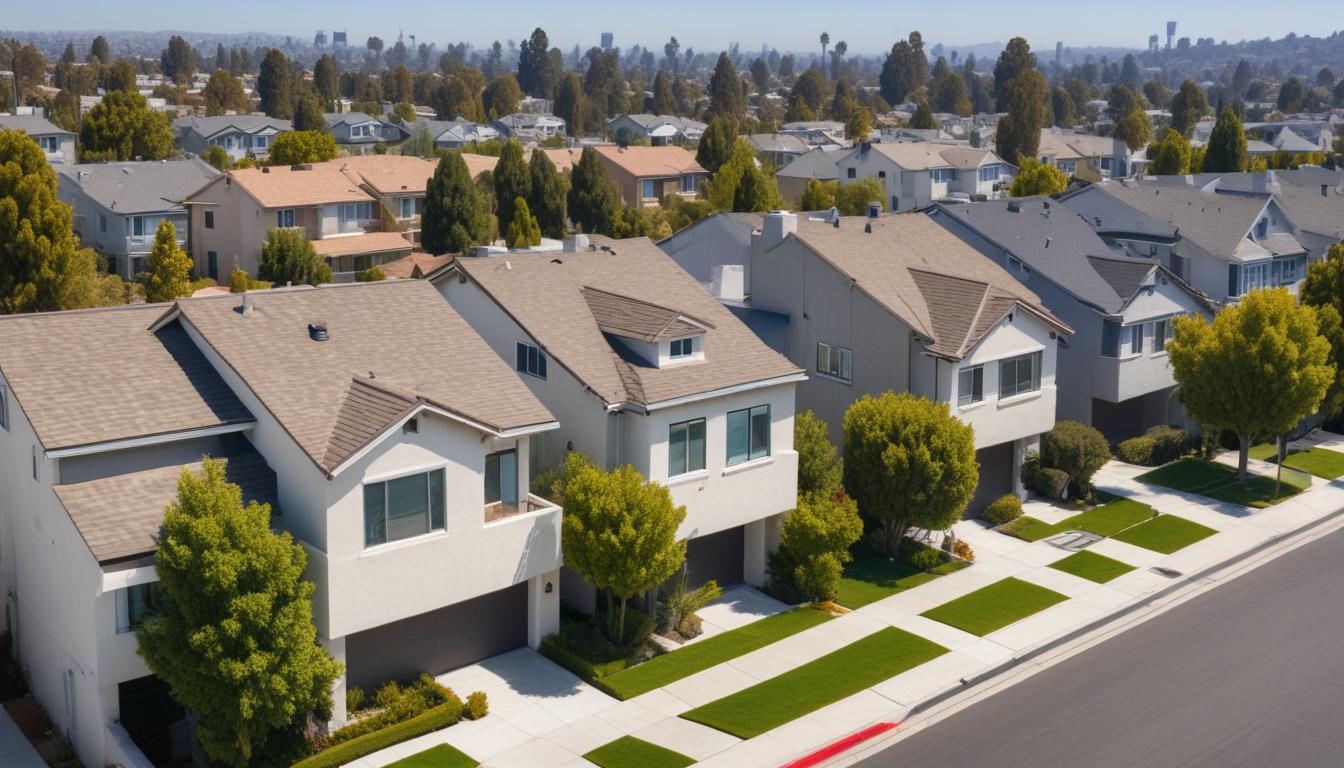
For investors, the Arts District presents a calculated risk. The projects underway suggest genuine, long-term commitment to the area's infrastructure and amenities. But at LA's $870,000 median home price, and with comparable neighbourhoods already established, the Arts District's upside may be more measured than boosters suggest. Still, for those seeking exposure to an authentically changing neighbourhood—not a fully formed one—the current moment offers genuine opportunity.
This article was compiled by AI from the sources linked above and screened before publishing. See our editorial standards.