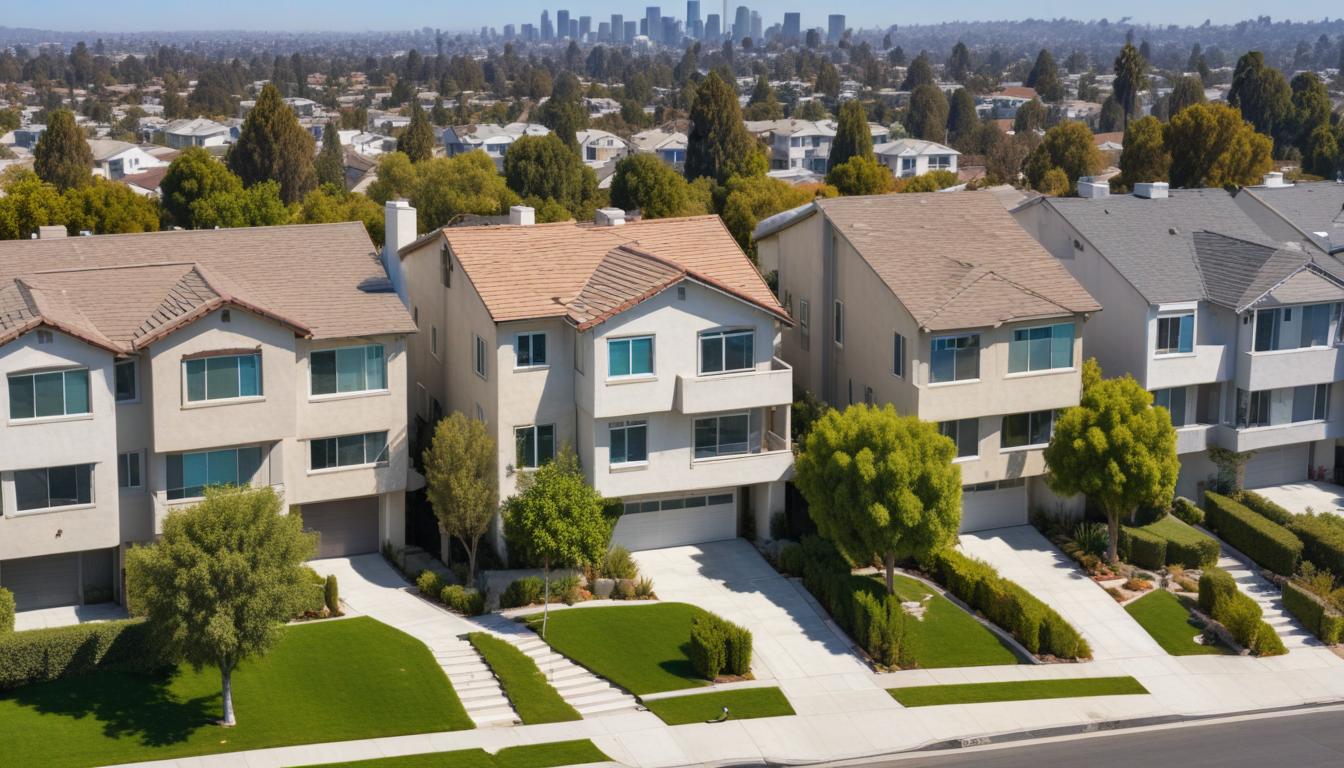
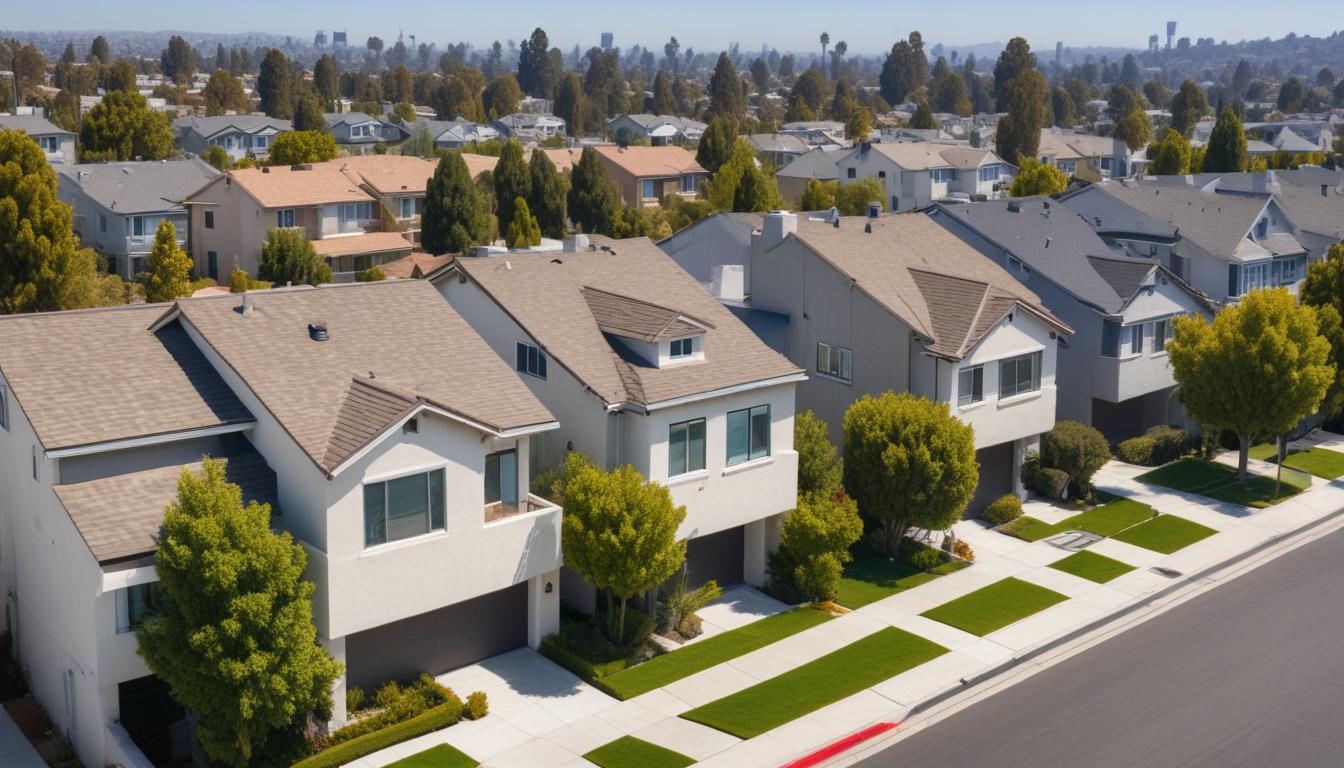
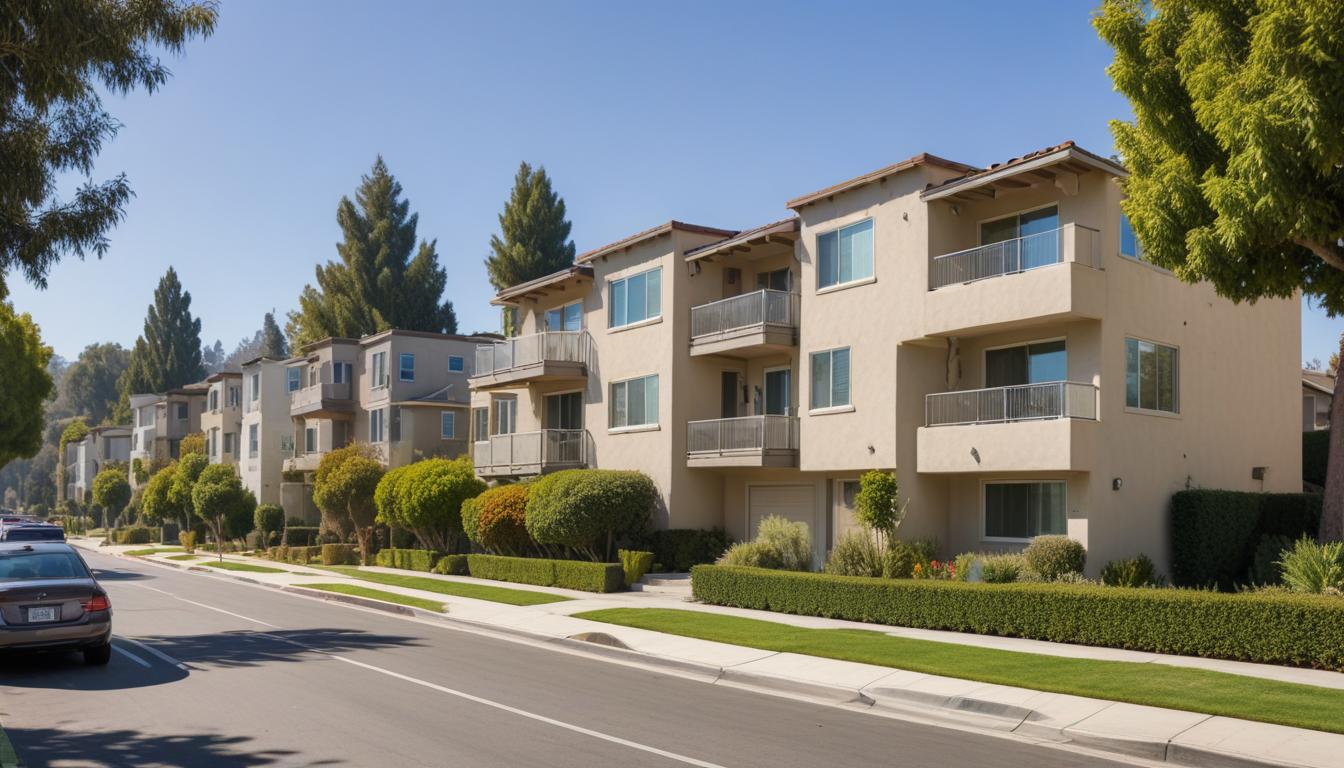
While media attention fixates on Hollywood Hills trophy sales and Silver Lake's Instagram-famous renovation culture, a measurable investor migration is unfolding quietly across Los Feliz and the neighbourhoods bracketing Los Angeles Avenue. The numbers tell a story the headlines haven't quite caught: in a city where the median home sits near $870,000, Los Feliz properties are generating gross rental yields between 4.8 and 5.4 percent—substantially higher than comparable properties west of Highland Avenue.
Recent sales data from the first half of 2026 shows single-family homes on Franklin Avenue and Hillhurst Avenue trading between $1.1 million and $1.45 million, with rental comps suggesting monthly takes of $5,200 to $7,100 for three-bedroom units. Compare that to equivalent Silver Lake stock, where investor yields have compressed to 3.2 to 3.8 percent as owner-occupant demand has inflated purchase prices. The arithmetic is obvious: Los Feliz's vintage Craftsmans and mid-century split-levels now attract a different buyer profile—one calculating cap rates rather than design pedigree.
The shift reflects predictable market mechanics. East LA's infrastructure investment, including the forthcoming transit improvements along Whittier Boulevard and rising commercial activity around Cesar Chavez Avenue, has investors reconsidering traditional geography. Los Feliz benefits from proximity without Echo Park's already-elevated prices. A two-bedroom bungalow near Griffith Park that would command $950,000 in West Silver Lake returns $4,800 monthly in Los Feliz—a yield differential that compounds meaningfully over a decade.
ADU construction, the policy tailwind reshaping LA's housing supply, adds another dimension. Los Feliz's predominantly single-family zoning historically restricted such development, but recent approvals on residential streets near Vermont Avenue have opened ancillary rental income streams. Investors are calculating whole-property returns—primary unit plus granny flat—at effective yields approaching 6.2 percent once conversion costs are amortised.
The Local Initiatives Support Corporation's recent survey of neighbourhood investment patterns confirmed what transaction data suggests: institutional and individual investor activity in Los Feliz jumped 34 percent year-on-year. Portfolio builders seeking geographic diversification within LA—rather than fleeing to secondary markets—are reconsidering the neighbourhoods their predecessors overlooked.
Whether this reflects durable fundamentals or cyclical rebalancing remains the key question. What's certain: the investor class has noticed that yield returns favour looking east, not west.
This article was compiled by AI from the sources linked above and screened before publishing. See our editorial standards.