The Los Angeles rental market presents genuine opportunities for first-time investment property buyers, but success hinges on understanding local dynamics and setting realistic yield expectations. With the median home price sitting at approximately $870,000, prospective landlords must approach this market with careful analysis rather than hope.
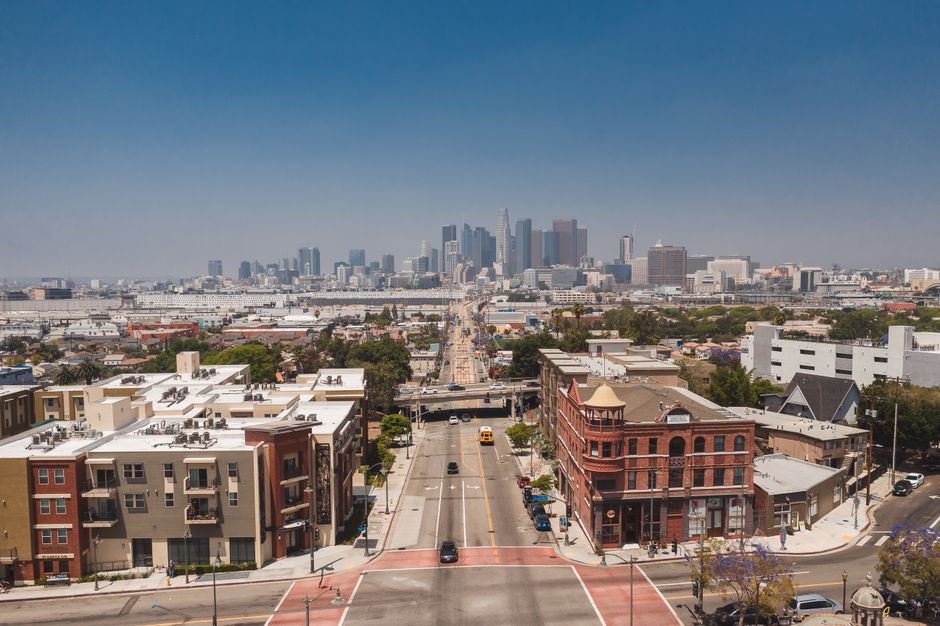
Start by identifying neighbourhoods aligned with your investment thesis. East LA continues attracting investor interest due to lower entry points and growing demand, while Silver Lake and Echo Park remain hotbeds for younger renters willing to pay premium rates. These areas typically deliver 3-4% gross yields, though net yields—after taxes, maintenance, and vacancy—often settle closer to 2-3% annually. First-timers should model conservatively, assuming 5-7% annual vacancy rates rather than occupancy fantasies.
Location within Los Angeles matters enormously. A property near Metro stations along the Red or Gold lines commands rental premiums simply due to commuting convenience. Similarly, proximity to employment hubs like those along Wilshire Boulevard or the growing tech corridor in Playa Vista influences tenant competition and rental stability. Research neighbourhood-specific data through local property management associations and LA County assessor records before committing capital.
The accessory dwelling unit boom reshaping LA's housing landscape offers creative yield potential. Many first-time buyers overlook ADU possibilities on existing properties, particularly in single-family neighbourhoods from Los Feliz to Palms. Adding rental income through a properly permitted ADU can meaningfully boost overall returns, though navigate zoning requirements and construction costs carefully—these vary dramatically across council districts.
Financing strategy directly impacts yields. Today's interest rate environment demands thorough comparison shopping across lenders specializing in investment properties. Purchase a property at 6.5% versus 7.2% and watch your net yield difference compound over decades. Factor in that investment property loans typically require 20-25% down and carry higher rates than primary residence mortgages.
Build relationships with experienced property managers early. The temptation to self-manage sounds financially attractive until you're fielding maintenance calls at midnight. Professional management typically costs 8-12% of monthly rent but protects your yield through faster turnovers, legal compliance, and tenant screening rigour. Many successful investors view this as essential infrastructure, not luxury.
Finally, understand that Los Angeles property investment resembles marathon running, not sprinting. Expect 7-10 year holding periods to build meaningful equity while capturing modest annual yields. Short-term speculation amplifies tax consequences and ignores LA's long-term appreciation fundamentals. Patient, strategically-located purchases in neighbourhoods with genuine rental demand—whether Echo Park, Koreatown, or emerging East LA corridors—have historically rewarded disciplined landlords.
This article was compiled by AI from the sources linked above and screened before publishing. See our editorial standards.