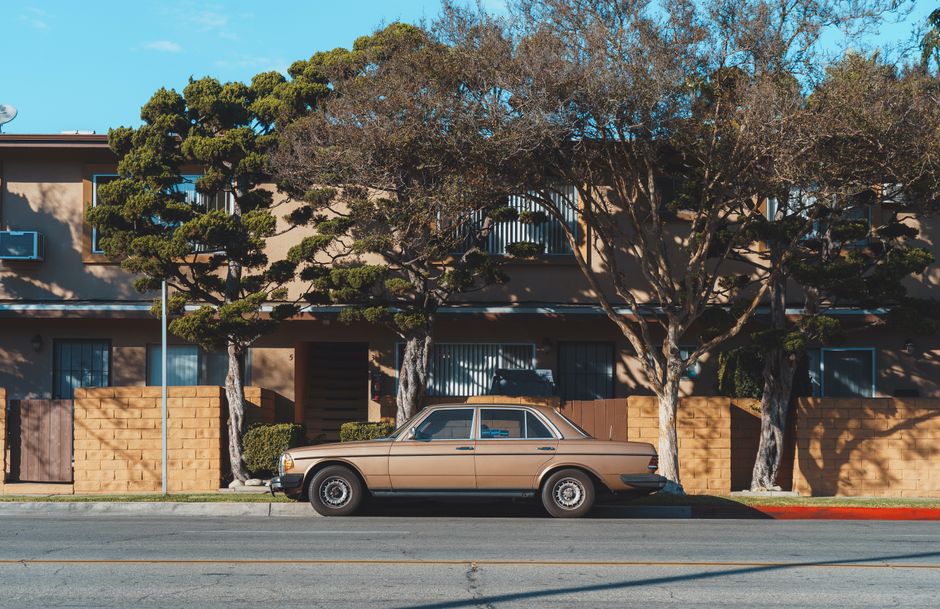
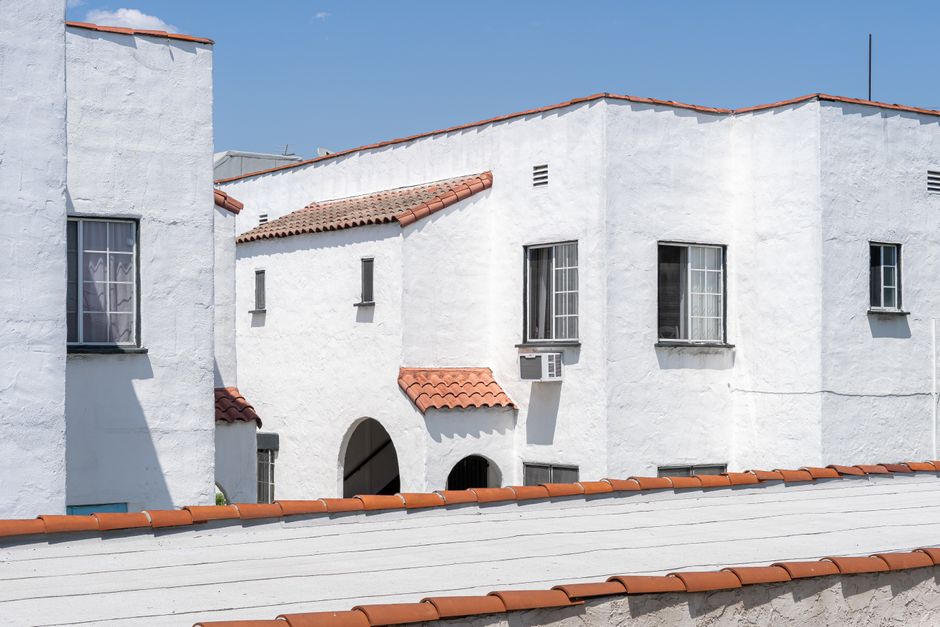
The rental market in Los Angeles has reached a critical inflection point. With median rents now surpassing $2,400 for a one-bedroom apartment in hot neighbourhoods like Silver Lake and Echo Park, and vacancy rates hovering near historic lows of 3.2%, the delicate balance between tenant welfare and landlord viability has fractured into open conflict.
For renters, the mathematics have become brutal. A household earning the LA median income of roughly $68,000 annually spends nearly 42% of take-home pay on rent—well above the recommended 30% threshold. In East LA, where younger families and immigrant communities have traditionally found affordable footholds, gentrification pressures are forcing longtime residents eastward toward Boyle Heights and beyond, even as development pushes further into San Bernardino County.
"We're seeing families choose between staying in LA or leaving the state entirely," says housing advocacy work across organisations like the Coalition LA and the Community Redevelopment Agency. The state's rent control laws, while protective, have created unintended consequences: landlords hesitating to maintain older units or upgrade properties when returns remain capped, and speculative investors bypassing traditional rentals for the ADU boom that's transformed residential neighbourhoods from Silver Lake to the San Fernando Valley.
Yet landlord pressures deserve scrutiny too. Small independent owners—those managing fewer than five properties—report that rising property taxes, maintenance costs, and insurance premiums have squeezed margins to breaking points. Many converted family homes into ADUs not out of greed, but financial necessity. The median property value of $870,000 across LA County means even modest mortgages demand rental income to remain viable.
Policy interventions have intensified the tension. LA's expanded tenant protections—including just-cause eviction ordinances and mandatory relocation assistance—protect vulnerable renters but discourage some from offering month-to-month flexibility or engaging with struggling tenants informally. Meanwhile, the city's push to fast-track affordable housing development on public land, including projects near downtown and in Hollywood, remains hampered by construction costs and community opposition.
The most vulnerable tenants—those in unregulated market-rate housing, informal arrangements, or overcrowded units across Echo Park and Koreatown—face the harshest reality. For landlords managing aging portfolios in neighbourhoods without rent protection, profitability has evaporated. Neither group has meaningful leverage; both are trapped by forces larger than individual negotiation.
Solutions require both sides to move. Increased density approvals, streamlined ADU permitting, and public-private partnerships for workforce housing may gradually loosen supply constraints. Until then, Los Angeles remains a city where renters and landlords alike are learning that sustainability demands sacrifice from both.
This article was compiled by AI from the sources linked above and screened before publishing. See our editorial standards.