news
LA Jugggles Peak Fire Season With 2028 Olympics Construction Demands
With wildfire preparedness strained and construction crews already mobilizing for 2028 Games venues, Los Angeles faces a critical summer window where resources could be split between disaster response and Olympic readiness.
How we reported this
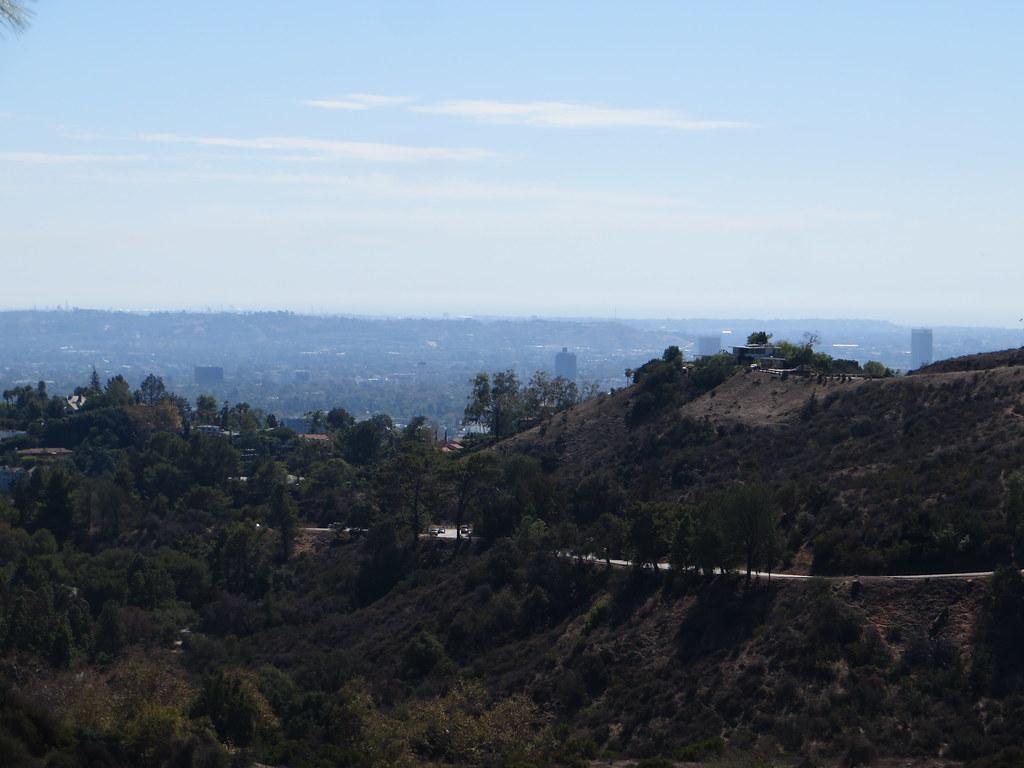
Los Angeles fire officials are entering what they call the "critical fire window"-the three months from mid-July through September when Santa Ana winds combine with parched vegetation to create catastrophic conditions. The timing couldn't be worse. While crews are already staging equipment and personnel across the city for 2028 Olympics construction at venues like the LA Memorial Coliseum on Exposition Boulevard and SoFi Stadium in Inglewood, the Fire Department is simultaneously running contingency drills for scenarios that could overwhelm existing resources.
Spain's deadliest wildfire in a decade killed a dozen people this week. Vietnam's speedboat tragedy and a fatal incident in the UK underscore how quickly disasters can spiral when response systems are stretched thin. For Los Angeles residents, the parallel is direct: the city that endured the 1961 Bel Air Fire-which burned 6,090 acres and destroyed 484 homes-now confronts a dual-demand crisis that safety officials say hasn't been this acute since the 2003 Cedar Fire season.
Mayor Karen Bass declared a housing emergency last year as part of a broader homelessness crisis response, securing pledges to open shelter beds across the city. Those same shelter facilities-many operated by nonprofits on underutilized commercial property in neighborhoods like Koreatown and along the Venice Boulevard corridor-would become evacuation centers if major fires strike populated areas. The logistics are staggering. The Weingart Center on San Pedro Street typically houses 400 individuals on any given night. In a major evacuation scenario, that capacity would need to expand to handle displaced residents while maintaining operations for its existing population.
The Resource Squeeze
The Los Angeles Fire Department's budget for fiscal year 2026 sits at $1.94 billion, representing 10.8 percent of the city's General Fund. That figure sounds substantial until you parse the operational math. The department runs 218 fire stations across 500 square miles serving 3.8 million people. During peak fire season, crews are often committed to both structural fires within city limits and mutual aid deployments to surrounding counties-Orange, San Bernardino, and Ventura-where Santa Ana winds don't discriminate at municipal borders.
Olympics construction adds another variable. The LA28 Committee has contractors mobilizing at 28 venues citywide. The Coliseum alone requires parking lot conversion work and temporary infrastructure that occupies space typically available for emergency staging. Crews are also retrofitting the Downtown Sports Park, adding temporary seating and utility lines. These construction zones require their own fire watch personnel and create navigation challenges for emergency responders unfamiliar with evolving layouts.
Census data from 2020 shows that approximately 11.7 percent of Los Angeles residents live in fire-prone hillside neighborhoods-Bel Air, the Hollywood Hills, Topanga Canyon, and the San Gabriel Mountains foothills. That's roughly 444,000 people whose evacuation routes converge on the same arterial roads. During the 2007 Harris Fire in San Diego, gridlock on evacuation routes lasted nearly eight hours in some corridors, with residents abandoning vehicles on freeways. LA officials have spent the past year mapping alternative exits and pre-positioning evacuation buses at high-school parking lots in neighborhoods like Los Feliz and Silver Lake, but coordination with Olympic construction crews remains incomplete.
What's Next
The city's Office of Emergency Management is conducting a joint exercise on August 9 at the Griffith Observatory complex to test communication protocols between Fire Department dispatch, Olympic construction supervisors, and regional mutual-aid agencies. Results from that drill will determine whether additional resources get allocated before September. Fire Chief Kristin Crowley's office has requested 47 additional firefighters for the 2026-27 budget cycle, but City Council won't vote on appropriations until mid-August.
Residents in fire-prone areas should finalize evacuation plans now. The ready-for-wildfire website maintained by the Los Angeles Fire Department (lafd.org/ready) includes neighborhood-specific evacuation maps. If you live in the Hollywood Hills, San Gabriel foothills, or Topanga Canyon, register your address with your local fire station. Download the LA Alert app and configure notifications. Fill fuel tanks now-gas stations often run dry during evacuation windows. The window is narrow. History suggests the real pressure arrives in late August.