How Los Angeles Got Buried in Duplicate Images — and Why Fixing It Now Matters
From wildfire documentation to Olympics planning files, the city's digital archives are drowning in redundant imagery, and the cleanup is long overdue.
From wildfire documentation to Olympics planning files, the city's digital archives are drowning in redundant imagery, and the cleanup is long overdue.
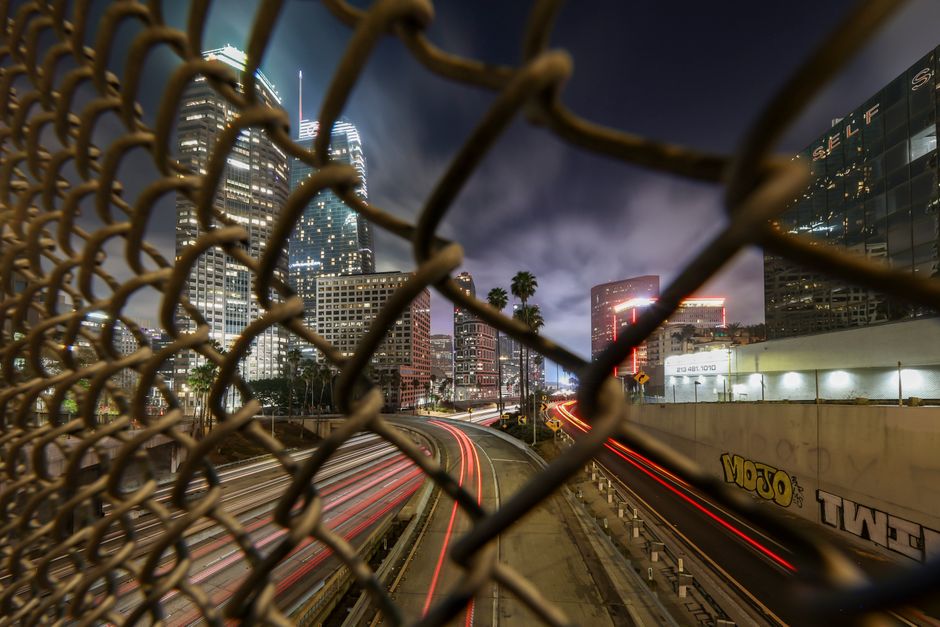
Los Angeles city agencies are sitting on terabytes of duplicate digital images accumulated over more than two decades of fragmented record-keeping, a problem that has quietly ballooned from a storage nuisance into a genuine obstacle for emergency planning, housing documentation, and the infrastructure buildout ahead of the 2028 Summer Olympics. The redundancy problem is not new, but the pressure to resolve it is.
The roots run back to the early 2000s, when city departments began digitizing records independently of one another, with no unified archiving standard. The Los Angeles Department of Building and Safety, the Bureau of Engineering, and the Mayor's Office of Housing each developed their own document management workflows. When files moved between systems — during the 2009 migration to the city's GeoHub platform, for example, and again during the 2019 overhaul of the LA City Records Management System — images were often duplicated rather than transferred cleanly. Nobody was assigned to reconcile them afterward.
Two crises dramatically accelerated the backlog. The January 2025 Palisades and Eaton fires generated an enormous volume of aerial survey photographs, damage assessment images, and insurance documentation photos that flowed into city systems from multiple agencies simultaneously — CalFire, FEMA, the LA County Assessor's Office, and city inspection teams all uploaded imagery to overlapping repositories. Estimates from city IT briefings reported in the Los Angeles Times suggested the fire response alone produced hundreds of thousands of image files, many captured from identical vantage points by different teams on the same day.
Mayor Karen Bass's housing emergency declaration, signed in January 2023, similarly flooded city databases with property condition photographs tied to the Inside Safe outreach program and the various rapid housing projects on Skid Row, in Hollywood, and along the Venice Beach corridor. Caseworkers using mobile documentation apps often photographed the same units multiple times across different intake workflows, with no automated deduplication running on the back end.
The cost is not trivial. Cloud storage contracts for city data, managed through the Information Technology Agency, have grown steadily. The city's fiscal year 2025-26 budget allocated roughly $47 million to ITA operations, though the agency has not broken out storage costs specifically in public budget documents. Industry benchmarks suggest that between 20 and 30 percent of enterprise image storage in large municipalities consists of duplicates — a figure that, if applicable to Los Angeles, would represent millions of dollars in avoidable annual expenditure.
The Olympics timeline is now the sharpest forcing function. LA28, the organizing committee headquartered in Downtown Los Angeles, is coordinating with the Bureau of Engineering and the Department of Public Works on venue documentation across sites from SoFi Stadium in Inglewood to the Sepulveda Basin Recreation Area in Van Nuys. Clean, non-duplicated image libraries are a baseline requirement for the Building Information Modeling systems being used to plan construction sequencing and accessibility upgrades. Redundant files in those systems create version-control risks that engineers and project managers regard as unacceptable on a fixed-deadline project.
The ITA began a formal duplicate image audit in the second quarter of 2026, working initially on records tied to the Department of City Planning's SurveyLA program, which has catalogued historic properties across all 35 community plan areas since 2010. That program's photographic archive alone spans more than 800,000 images. Automated hash-comparison tools can flag identical files within hours, but the harder work — identifying near-duplicate images taken seconds apart or from slightly different angles — requires either human review or machine-learning classification models that the city is only beginning to procure.
For Angelenos tracking the city's digital infrastructure, the practical takeaway is straightforward: if you submit photographs to any city portal — for permit applications, 311 service requests through MyLA311, or housing assistance intake — expect new guidance later this year requiring single-image-per-condition documentation. City officials have indicated the ITA plans to publish updated submission standards before the end of the 2026 calendar year, which would apply across all departmental intake systems. The cleanup has started. Getting it finished before the world shows up in 2028 is the part that requires urgency.
How does this story make you feel?
Spread the word
About this article
Published by The Daily Los Angeles
Daily brief
Free, in your inbox before 7am. Weekdays.
More in News