L.A.'s Duplicate Image Problem: What Officials, Experts, and Key Figures Are Saying
From city permit archives to Olympic venue planning documents, Los Angeles is grappling with a quiet but costly data crisis hiding in plain sight.
From city permit archives to Olympic venue planning documents, Los Angeles is grappling with a quiet but costly data crisis hiding in plain sight.
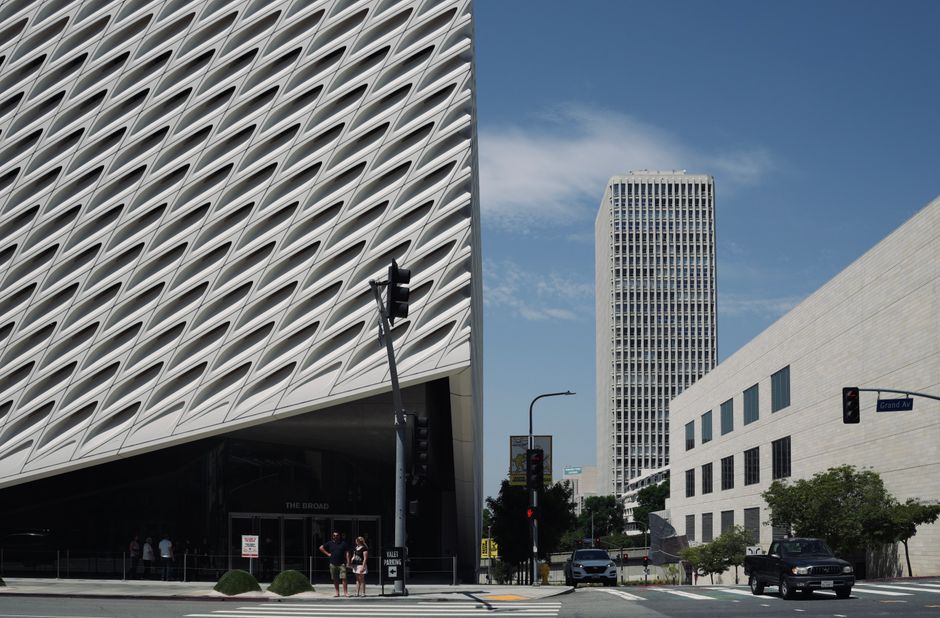
City archivists, technology contractors, and urban planning officials in Los Angeles are raising alarms about a surge in duplicate digital images clogging municipal databases — a problem that is slowing permitting processes, inflating cloud storage costs, and threatening the integrity of records tied to billions of dollars in public infrastructure spending ahead of the 2028 Olympics.
The issue is not new, but its scale has grown sharply as city departments digitized paper records at an accelerated pace during the COVID years and have not stopped. The Los Angeles Department of Building and Safety, which processes tens of thousands of permit applications annually across neighborhoods from Boyle Heights to Chatsworth, has seen its digital archive balloon to include redundant scans of the same inspection photographs, filed multiple times by contractors and inspectors using different upload portals. When different systems don't talk to each other, the same JPEG ends up stored four or five times — and the city pays for every copy.
The timing is not coincidental. Los Angeles is currently managing what may be the most document-intensive period in its modern history. The Karen Bass housing emergency, declared in January 2023 and still active, has pushed thousands of new construction and rehabilitation files through city systems. The Bureau of Engineering is simultaneously coordinating infrastructure upgrades across venues including SoFi Stadium in Inglewood and the Los Angeles Memorial Coliseum in Exposition Park for the 2028 Games. Digital records management sits at the foundation of all of it.
Technology consultants working with municipal governments say the financial exposure is real. Cloud storage for large image files — particularly uncompressed construction photographs and aerial survey imagery — can run between $0.02 and $0.08 per gigabyte per month depending on the service tier. When a city the size of Los Angeles stores the same files repeatedly across departments including Public Works, Planning, and the Housing Department, the redundancy compounds quickly into six-figure annual waste, according to analysts familiar with enterprise storage procurement.
The Los Angeles City Controller's Office, which audits departmental spending, has flagged data management efficiency as an area of concern in prior reviews, though a comprehensive public audit specifically targeting duplicate digital image storage has not yet been released. Staff at the office, reached by phone, declined to comment on whether such a review is currently underway.
Within city government, the conversation has coalesced around two competing approaches. One camp, represented largely by staff inside the Information Technology Agency headquartered on Main Street in downtown Los Angeles, favors deploying automated deduplication software that scans incoming files before they are written to permanent storage. The technology exists and is commercially available; the question is procurement timeline and integration with legacy systems, some of which date to the early 2000s.
A second group, drawing support from senior planners involved in the Olympic infrastructure program, argues that deduplication alone is insufficient and that the city needs a unified digital asset management platform — a single system of record — before the Games begin. They point to the sheer volume of images expected to flow through the city's systems between now and July 2028: drone surveys, construction progress photographs, and event logistics imagery that, if mismanaged, could create legal and accountability problems down the line.
Outside city hall, digital archivists at institutions including the UCLA Library have been consultants on related projects. Experts there have previously described the risk of allowing duplicate records to accumulate unchecked: over time, it becomes difficult to establish which version of an image is the authoritative one, particularly in legal disputes or public records requests.
For residents and contractors, the practical advice from technology specialists is straightforward. When submitting permit documentation to the Department of Building and Safety — whether at the Figueroa Street office or through the online portal — submit images once, in the format specified, and confirm receipt before resubmitting. Duplicate uploads are the single largest driver of the problem, and most of them are unintentional. The city is expected to publish updated file submission guidelines before the end of the third quarter of 2026.
How does this story make you feel?
Spread the word
About this article
Published by The Daily Los Angeles
Daily brief
Free, in your inbox before 7am. Weekdays.
More in News