news
Fake Photos Deceive L.A. Renters Searching for Housing Daily
Duplicate and AI-manipulated listing images are deceiving desperate Angelenos searching for housing, with consequences that reach far beyond a wasted afternoon.
How we reported this
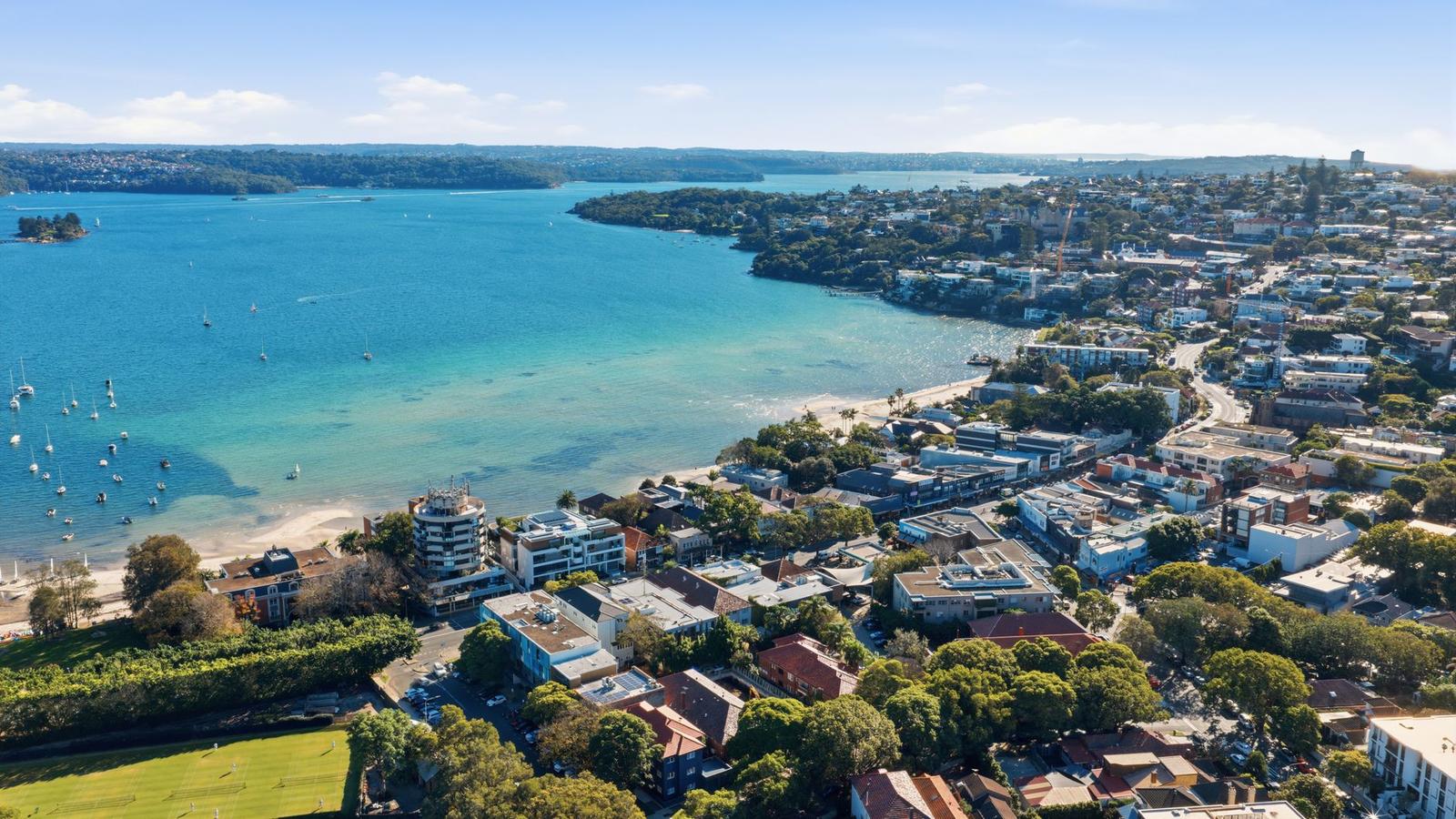
Across Los Angeles, renters are showing up to viewings only to find the apartment looks nothing like the listing photos, because the images belong to a completely different building, sometimes in a different city. The practice, known as duplicate image replacement, involves swapping authentic property photos with stock images, photos lifted from other listings, or AI-generated interiors that have never existed. Housing advocates say the problem has reached a tipping point in 2026, as the city's rental vacancy rate hovers near historic lows and demand keeps climbing ahead of the 2028 Olympics.
The timing is not incidental. Mayor Karen Bass's ongoing housing emergency declaration, first issued in January 2023, accelerated permitting and construction, but the pipeline has not kept pace with demand. That gap has given bad-faith landlords and scam operators more leverage than ever. When someone needs a roof and the market offers almost nothing, they're less likely to walk away from a listing even when something feels off.
Where the Scams Are Hitting
Koreatown and Boyle Heights are seeing the highest concentration of reported fraudulent listings this year, according to housing counselors working with the Los Angeles Housing Department's Rent Stabilization unit. In Koreatown, where a one-bedroom can command anywhere from $1,800 to $2,600 per month depending on the block, prospective tenants are putting down application fees, typically $50 to $75 per submission under California law, before they ever set foot in a unit. By the time they discover the photos don't match the property, the fee is usually gone and the unit is already rented to someone else.
The Coalition for Economic Survival, a tenant advocacy organization based on Hollywood Boulevard, has been fielding calls about the issue since early spring. The group has documented cases where the same set of interior photos appeared across listings in Silver Lake, Palms, and Northridge simultaneously, properties that share no physical resemblance to one another. Staff there have started advising clients to run listing photos through reverse image search tools before paying any fees or signing anything.
The Los Angeles City Attorney's office has the authority to pursue fraud cases under California's Unfair Competition Law, Business and Professions Code Section 17200, but enforcement has historically focused on larger-scale schemes rather than individual listing fraud. That may be changing. The city's 311 system received more than 4,000 housing-related fraud complaints in the first five months of 2026, a figure the Los Angeles Housing Department cited in a May briefing to the City Council's Housing and Homelessness Committee.
The Practical Damage, and What Renters Can Do
The harm is not just financial. Families who lose application fees on fraudulent listings, sometimes submitting to five or six properties before landing one, can spend $300 to $450 in non-refundable costs before signing a single lease. For households already stretched thin, that's a month's worth of groceries. For people currently in emergency shelter through the city's Inside Safe program, a scam listing can mean the difference between securing permanent housing or cycling back to the street.
Several steps can limit exposure. Before paying any application fee, tenants should request a physical walkthrough or a live video tour, not a pre-recorded video, which can be just as easily faked as static images. Cross-checking the listed address on Google Street View takes under two minutes and can immediately flag whether exterior photos match. Reporting suspicious listings to both the platform hosting them and to the Los Angeles Housing Department's complaint line at 1-866-557-7368 creates a paper trail that investigators can use.
The California Department of Real Estate has been working with major listing platforms including Zillow and Apartments.com on metadata verification protocols, though a formal statewide rule requiring image authentication has not yet cleared the Legislature. A bill moving through Sacramento this summer would require platforms to flag listings where uploaded images are detected as duplicates from other active or recent listings, a measure that, if signed into law, could be in effect before the Olympic influx of short-term rental demand hits the market in 2028.