news
Duplicate Listings Trap Los Angeles Renters in Housing Scams
Duplicate property listing images are trapping vulnerable Angelenos in scam cycles at the worst possible moment in the city's housing emergency.
How we reported this
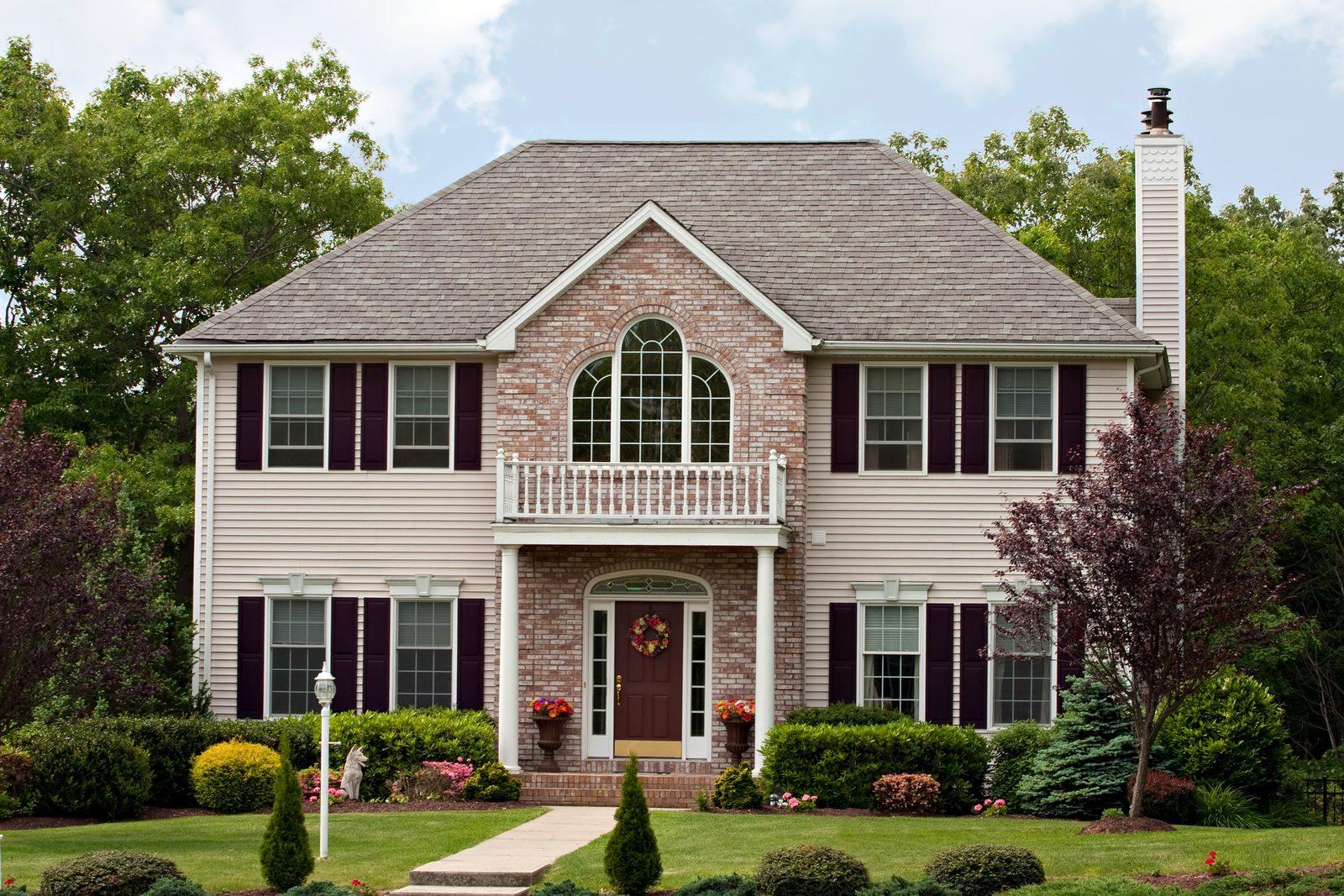
Maria Gutierrez spent three weeks this spring responding to Craigslist and Facebook Marketplace ads for a two-bedroom apartment in Boyle Heights, only to discover that the same set of interior photographs was attached to at least six different listings at six different prices. The photos, she later confirmed, belonged to a real unit on César Chávez Avenue that had been rented out two years earlier. She never got her $500 application deposit back. She is still looking for housing.
Her story is not unusual. Across Los Angeles, as Mayor Karen Bass's housing emergency declaration moves into its third year and shelter wait-lists at facilities operated by the Los Angeles Homeless Services Authority stretch into the hundreds, a quieter fraud problem is compounding the squeeze: duplicate images recycled across fake or misleading rental listings are draining money and time from residents who can least afford to lose either.
The Mechanics of the Scam
The pattern is consistent enough that staff at the Esperanza Community Housing Corporation in South Los Angeles say they flag it regularly during intake counseling sessions at their Vermont Avenue office. A legitimate property photograph gets scraped from Zillow, Redfin, or a landlord's own listing, then reposted by a third party at a below-market price designed to generate urgency. Prospective tenants are asked to pay a holding deposit via Zelle or Venmo before touring the property. The listing vanishes shortly after payment clears.
The Consumer Financial Protection Bureau noted in a 2024 report that rental fraud losses in the United States exceeded $350 million annually, with urban renters in high-cost markets disproportionately targeted. Los Angeles County, where the median asking rent for a one-bedroom crossed $2,100 in early 2025 according to a report published by the UCLA Lewis Center for Regional Policy Studies, provides fertile conditions. Desperation compresses judgment.
Community members interviewed at the Weingart Center on skid row and at PATH's navigation center on San Pedro Street described variations on the same experience: photographs that seemed familiar, prices that seemed almost reasonable, and a sequence of text messages that ended with money gone and no apartment. One man, a 54-year-old day laborer who gave only his first name, Ernesto, said he lost $300 in March to a listing that turned out to replicate photos from a Highland Park duplex he had seen legitimately advertised the previous month.
What Advocates Are Pushing For
The Los Angeles Housing Department launched its RentSmart LA portal in late 2023 as part of the city's broader tenant protection rollout, but the portal does not currently cross-reference listing images against known fraud databases. Staff at Neighborhood Legal Services of Los Angeles County, which operates clinics in Pacoima and El Monte, say they have pushed the city to integrate reverse-image lookup tools into the portal's public-facing interface. No timeline for that update has been publicly confirmed.
Housing advocates argue that real estate platforms bear responsibility too. Websites that host listings have the technical capacity to run automated duplicate-image detection, the same class of tools used by major social media platforms to flag reused content, but do not consistently apply them to rental postings. The California Department of Real Estate handles licensing complaints but does not have jurisdiction over unlicensed individuals posting fraudulent private-party ads, a gap that consumer attorneys in the MacArthur Park area say leaves many victims with no clear recourse.
For people like Gutierrez, the practical advice from advocates comes down to a few steps: run any listing photograph through Google Images or TinEye before paying anything, insist on an in-person walkthrough with a person holding a key, and cross-check the listed address against the Los Angeles County Assessor's portal to verify the named owner. The city's 211 hotline can also connect callers to Neighborhood Legal Services for free consultations. None of that recovers the $500 already lost. But with the 2028 Olympics expected to push rental demand and prices higher still in the next two years, advocates say the window to build better protections into the city's housing infrastructure is closing fast.