Hollywood Studios and City Agencies Push Hard on Duplicate Image Replacement This Week
A surge in AI-flagged redundant assets is forcing Los Angeles production houses and public agencies to overhaul how they store, tag, and retire visual content.
A surge in AI-flagged redundant assets is forcing Los Angeles production houses and public agencies to overhaul how they store, tag, and retire visual content.
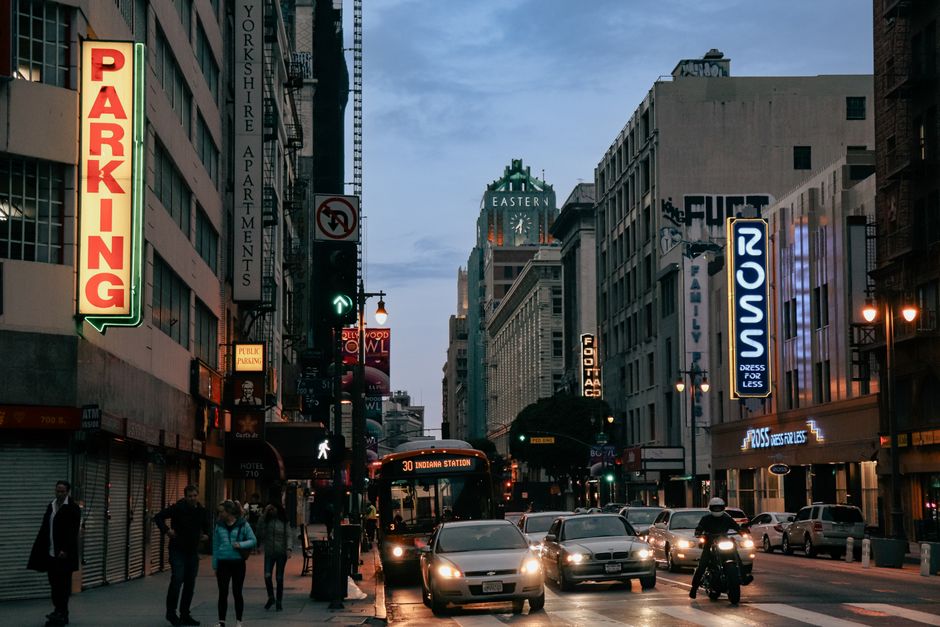
Duplicate image replacement moved from a backroom IT headache to a front-of-house budget problem in Los Angeles this week, as at least three major Hollywood studios and two city departments began accelerating programs to purge and replace redundant digital assets sitting in sprawling, overlapping content libraries. The timing is not accidental. A combination of AI auditing tools reaching commercial maturity and mounting storage costs has made ignoring the problem financially painful in a way it simply wasn't two years ago.
The convergence matters right now because the entertainment industry's ongoing reckoning with AI has put every pixel under a microscope. Studios negotiating with guild representatives over AI use in production are simultaneously discovering that their legacy asset libraries — some stretching back to early digital acquisitions from the late 1990s — contain thousands of duplicate, near-duplicate, or superseded images drawing licensing fees and cloud storage costs simultaneously. Cleaning those libraries is no longer optional when production budgets are being squeezed and every line item faces scrutiny.
On the municipal side, the Los Angeles Department of Recreation and Parks confirmed this week that it is working through a backlog of duplicate photographs in its public-facing digital archive, a project tied to a broader content management overhaul that began in January 2026. The department manages imagery for more than 600 parks across the city, and staff have identified a significant volume of near-identical shots — many taken at venues like Griffith Park and Exposition Park — that were uploaded multiple times under different file names over the years, creating confusion for web teams and consuming server space.
Separately, the Los Angeles County Department of Arts and Culture, which administers public art documentation for sites including the murals along the Metro B Line corridor through Hollywood, said its digital collections team has been using perceptual hashing software since March to flag duplicates for review. The process involves a human curator making the final call on which version of an image becomes the canonical record before the duplicate is retired from the active library and moved to cold storage. That distinction — retire rather than delete — reflects archival best practices and legal caution around public records.
In Culver City, at least one mid-sized post-production house that serves streaming clients declined to be named but described the scope of the problem in general terms: libraries of several hundred thousand images can contain duplication rates running above 15 percent when near-matches are included alongside exact copies. Cloud storage pricing from major vendors currently runs roughly $0.023 per gigabyte per month for standard tiers, meaning a library of one terabyte of redundant image files generates an unnecessary charge of around $23 monthly — modest on its own, but multiplied across dozens of project libraries, the costs compound quickly.
The practical toolkit available to Los Angeles organisations this year is meaningfully better than what existed even in 2024. Perceptual hashing, reverse-image deduplication pipelines, and metadata reconciliation scripts have moved from specialised vendor offerings to components built into several enterprise digital asset management platforms now in use at studios along the Wilshire Corridor and in Burbank. The shift means teams that previously needed dedicated engineers for deduplication can run initial audits through existing software subscriptions.
For smaller production companies working out of spaces like the Arts District or the cluster of post-production suites near Cahuenga Boulevard in Hollywood, the calculus is different. Manual review remains common, and the staff hours required can outweigh the storage savings unless the library crosses a threshold — typically cited in industry guidance as somewhere above 50,000 unique assets — where automation delivers a clear return.
City agencies face an additional layer of complexity: public records obligations mean that retirement workflows must be documented, and any image that could be considered part of a public record requires sign-off before it is moved out of active systems. The Recreation and Parks project is expected to produce a documented workflow by September 2026 that other city departments could adopt. For studios and independents alike, the practical advice from digital archivists is consistent — start with exact-match deduplication before tackling near-duplicates, and build a retention policy before touching a single file.
How does this story make you feel?
Spread the word
About this article
Published by The Daily Los Angeles
Daily brief
Free, in your inbox before 7am. Weekdays.
More in News