Duplicate Images Are Cluttering L.A.'s Digital Public Records — And Residents Are Paying the Price
From city permit portals to emergency shelter databases, redundant digital files are slowing down the systems Angelenos depend on most.
From city permit portals to emergency shelter databases, redundant digital files are slowing down the systems Angelenos depend on most.
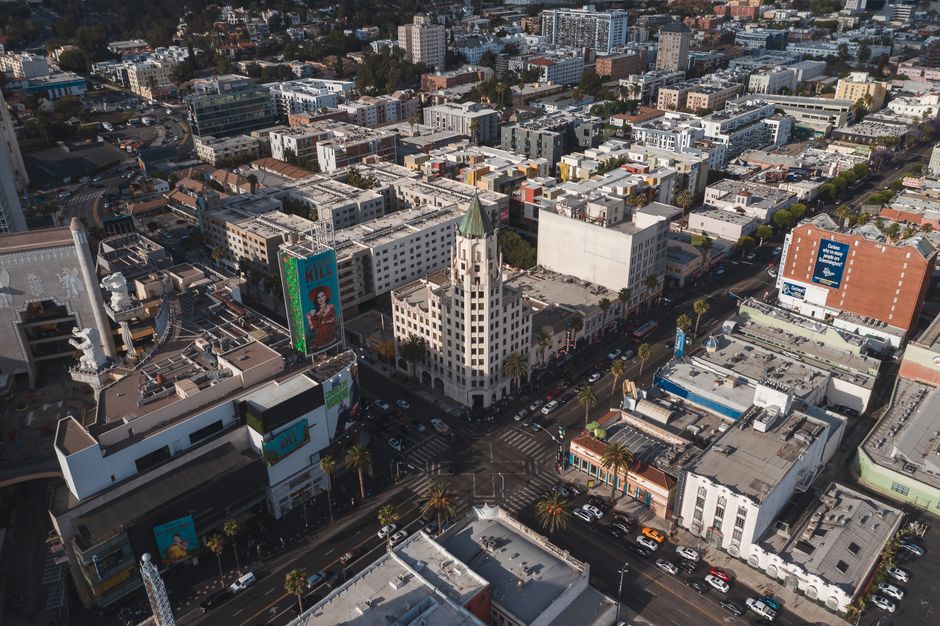
Los Angeles city databases are quietly drowning in themselves. Duplicate images — the same photo filed twice, three times, sometimes a dozen times across overlapping municipal systems — have become a measurable drag on the digital infrastructure that manages everything from building permits in Boyle Heights to homeless shelter bed counts tracked by the Los Angeles Homeless Services Authority. City IT administrators have flagged the problem in internal workflow reviews, and the consequences are landing on ordinary residents trying to navigate already-strained bureaucracies.
The timing matters because the city is in the middle of several concurrent digital overhauls. Mayor Karen Bass's housing emergency declaration, now in its second year, has pushed enormous volumes of documents — site photos, inspection images, property assessments — through systems that were not designed to handle the load. The 2028 Olympic infrastructure push is adding another layer, with planning documents and construction-progress photography flowing through the Bureau of Engineering's project management platforms. When duplicate files pile up inside those systems, search results become unreliable, storage costs climb, and the staff hours spent manually sorting records add up fast.
The Los Angeles Department of Building and Safety, which operates out of offices including the Figueroa Plaza complex downtown, processes tens of thousands of permit applications annually. Inspectors upload site photographs through a mobile portal, and without automated deduplication, the same image can be attached to multiple case files simultaneously. The result: a contractor in Koreatown trying to pull records for a renovation project may wade through redundant attachments before finding the document they need — a delay that, multiplied across thousands of transactions, represents real lost time and money.
The Los Angeles Homeless Services Authority faces a parallel challenge. Its Homeless Management Information System, which coordinates data across shelter providers from the San Fernando Valley to South Los Angeles, relies on photo verification for certain client intake processes. Advocacy groups working along Skid Row and in the Westlake district have noted that file management inconsistencies can slow case worker access to client records. LAHSA has pursued several data-quality initiatives in recent years, though the specific scope of deduplication work within its image libraries has not been publicly detailed.
Storage is not abstract. Commercial cloud storage pricing for government contracts typically runs between roughly $0.02 and $0.05 per gigabyte per month, and a large municipal system storing tens of millions of image files can accumulate meaningful costs from redundancy alone. The City of Los Angeles passed a fiscal year 2025-26 budget of approximately $13.9 billion, with technology and information services representing a growing line item as departments modernize. Wasted storage compounds over contract cycles, and procurement officers have begun requiring deduplication standards in new vendor agreements.
For Angelenos trying to navigate city digital systems right now, the practical advice is direct. When submitting documents through the Los Angeles Department of City Planning's online portal or the DBS permit tracker, upload files once and confirm receipt rather than resubmitting. Keep local copies of anything submitted, along with the confirmation number, so you are not dependent on the city's retrieval function if a duplicate-file backlog slows the system.
On the city side, the Information Technology Agency has been evaluating automated deduplication tools as part of a broader digital modernization effort tied to the ITA's multi-year strategic plan. The process involves hashing algorithms that identify identical image files regardless of filename, flagging them for review before archiving. Several other large American cities — including Chicago and New York — have implemented similar tools at the department level, providing a reference point for what a phased rollout might look like in Los Angeles.
The administrative cleanup is unglamorous work, invisible to most residents until the day a permit gets stuck, a shelter record goes missing, or an Olympic planning document cannot be retrieved on deadline. Getting it right before 2028 is not optional. The infrastructure the city builds between now and then — physical and digital alike — will define how well Los Angeles handles what comes next.
How does this story make you feel?
Spread the word
About this article
Published by The Daily Los Angeles
Daily brief
Free, in your inbox before 7am. Weekdays.
More in News