Los Angeles Removes Thousands of Duplicate Images From City Databases
Los Angeles is running one of the most ambitious duplicate-image-replacement programs in American municipal government, and cities from London to Tokyo are taking notes.
Los Angeles is running one of the most ambitious duplicate-image-replacement programs in American municipal government, and cities from London to Tokyo are taking notes.
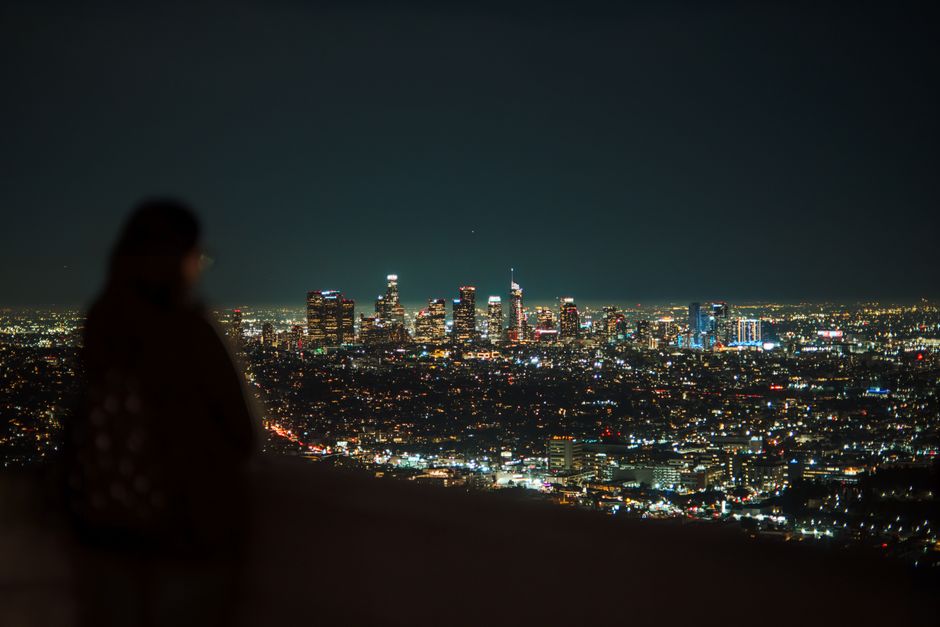
Los Angeles city archivists and IT administrators have been quietly working through a backlog that has grown for years: tens of thousands of duplicate images clogging the municipal databases that underpin everything from permit processing in the Department of Building and Safety to the public-facing asset libraries used by the Bureau of Engineering. The cleanup effort, which accelerated in the spring of 2026, reflects a deeper reckoning with digital infrastructure that cities worldwide are now forced to confront ahead of major public events and housing surges.
The urgency is real. With the 2028 Summer Olympics less than two years away, Los Angeles city departments are under pressure to have their digital systems interoperable, accurate, and fast. Duplicate image files — identical or near-identical photographs stored multiple times across disconnected servers — slow retrieval times, inflate storage costs, and create version-control nightmares when contractors and public agencies try to pull current site photographs for projects along the Olympic corridor from downtown to the Westside. The city's Bureau of Engineering estimates its shared document repositories have grown by more than 40 percent in raw data volume since 2020, a figure city administrators have cited internally to justify the current cleanup sprint.
London's Government Digital Service began a similar deduplication program for its consolidated borough photo archives in 2023, partnering with a private vendor to hash and compare images at scale. Tokyo's metropolitan government rolled out automated duplicate detection across its ward-level databases before the 2021 Olympics, reducing storage overhead by roughly 18 percent, according to published post-Games infrastructure reports from the Tokyo Metropolitan Government. Los Angeles is borrowing from both models but running the program in-house, relying on staff at the Information Technology Agency's Civic Technology division on South Spring Street in downtown rather than contracting out the core deduplication work.
New York City's Department of Citywide Administrative Services has faced the same problem at larger scale and opted for a hybrid approach — automated flagging followed by human review — after an earlier attempt at full automation incorrectly marked unique historical photographs as duplicates in 2022, a cautionary tale that Los Angeles officials have studied. The key difference in L.A.'s method is a two-pass system: perceptual hashing runs first to identify near-identical files, and then a trained staffer at the ITA reviews flagged clusters before anything is deleted or archived to cold storage.
The work touches agencies beyond IT. The Los Angeles Housing Department, which administers Mayor Karen Bass's Inside Safe program and related homelessness response initiatives, maintains photo documentation of interim housing sites across neighborhoods including Koreatown, El Sereno, and Boyle Heights. Those image records feed into compliance reporting. Duplicates in that system don't just waste server space — they can introduce errors into audit trails that state and federal oversight agencies rely on. The same logic applies to wildfire preparedness maps managed by the Los Angeles Fire Department out of its headquarters on West Temple Street, where aerial and ground-level imagery of high-risk hillside areas in the Santa Monica Mountains and the Verdugo Hills must be current and unambiguous.
The ITA is targeting completion of the first full sweep across 14 major departmental repositories by October 2026, in time for an infrastructure readiness review tied to the Olympic planning calendar. After that, the plan calls for automated deduplication to run on a rolling 90-day cycle, preventing the kind of accumulation that made the current backlog so daunting.
For residents and contractors who interact with city permitting systems through the Los Angeles Department of Building and Safety's online portal — which processed more than 190,000 permit applications in fiscal year 2024-25 — the practical payoff should be faster image uploads and fewer system errors when attaching site photographs to applications. Contractors working on projects near the Crenshaw/LAX transit corridor have reported delays linked to document processing bottlenecks, and city staff have pointed to bloated back-end databases as one contributing factor.
Cities preparing for landmark events, from Paris after the 2024 Games to Singapore ahead of its expanded smart-city push, have learned the same lesson: unglamorous data hygiene work determines whether ambitious digital services hold up when demand spikes. Los Angeles is doing the maintenance now, before the cameras arrive.
How does this story make you feel?
Spread the word
About this article
Published by The Daily Los Angeles
Daily brief
Free, in your inbox before 7am. Weekdays.
More in News