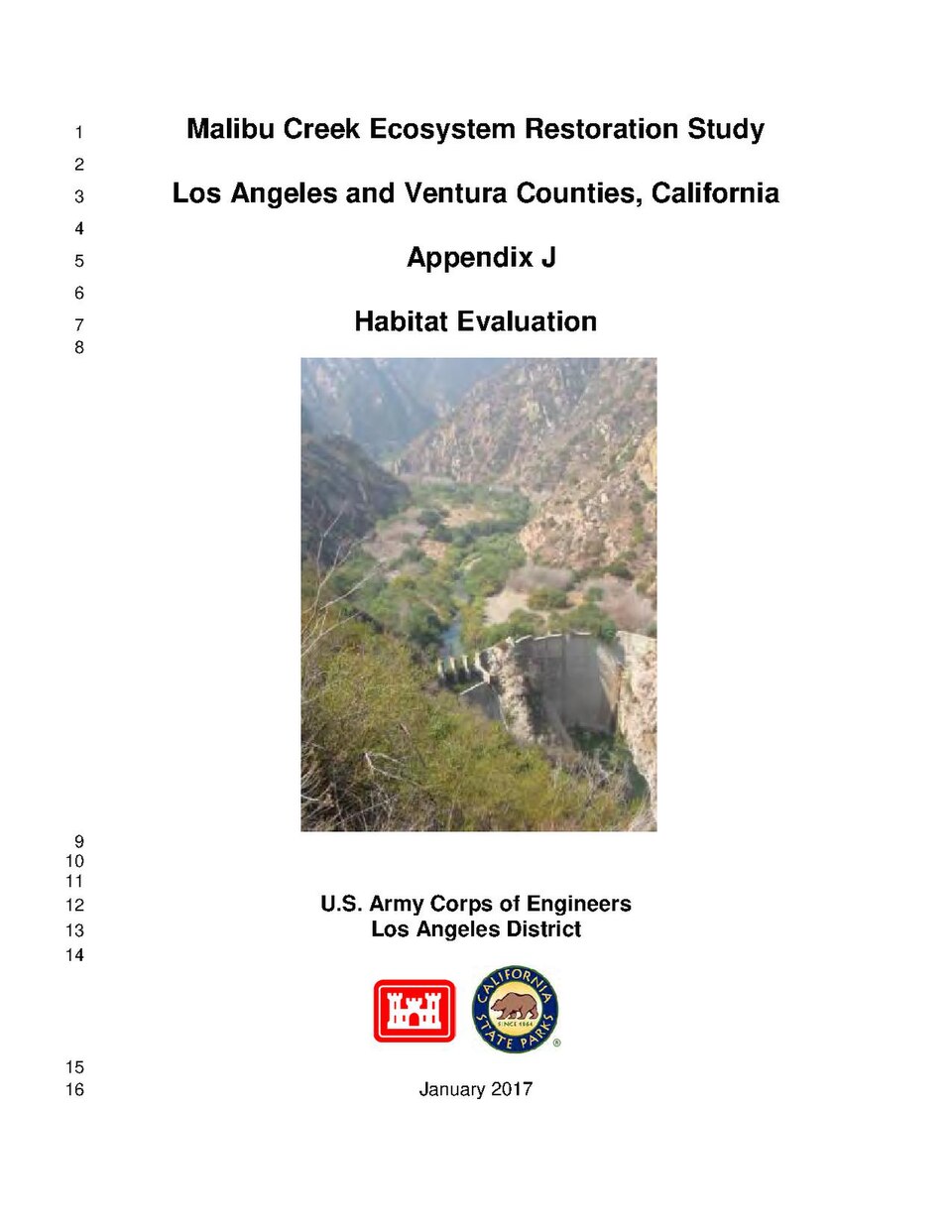
Los Angeles city officials have flagged a persistent and costly problem inside the Bureau of Engineering's digital permit portal: thousands of duplicate photographs attached to building and property files, clogging storage, slowing inspections, and in some cases causing permit reviewers to cross-reference the wrong structure entirely. The Bureau confirmed it is currently running an automated deduplication sweep across its GeoHub-connected records system, targeting files uploaded between 2019 and 2024.
The timing matters. With the 2028 Summer Olympics bringing an estimated $11 billion in construction and renovation activity through the city, accurate digital records tied to specific addresses are no longer an administrative nicety — they are an infrastructure requirement. Contractors pulling permits on Olympic venue corridors, from the Crenshaw District near SoFi Stadium to downtown's Figueroa Street hotel row, need clean image data to move fast through the approval queue.
A City Hall Problem With Real-World Consequences
The duplication issue traces back to a 2019 migration, when the Bureau of Engineering merged several legacy database systems into a unified platform. When records were ingested, many property photographs — particularly those tied to multi-parcel developments in neighborhoods like Boyle Heights and Hollywood Hills — were pulled into the new system multiple times under slightly different file names. The result was redundancy without any automated flag to catch it.
The Los Angeles County Assessor's Office runs a parallel property image archive covering more than 2.5 million parcels countywide. Staff there have been conducting quarterly audits of visual records since early 2025 using hash-matching software, a method that compares unique file fingerprints rather than pixel-by-pixel content. The process allows the office to identify and retire duplicate images without manual review of each file. The Assessor's office declined to provide a current count of duplicates removed, but the audit program itself is publicly documented in its fiscal year 2025-26 operations report.
Globally, the problem is not unique to Los Angeles, but responses vary sharply. London's Valuation Office Agency completed a deduplication overhaul of its commercial property image database in late 2024 after an internal review found that roughly 18 percent of images in certain borough files were duplicates or near-duplicates, according to a summary published by the agency. São Paulo's municipal property registry, which covers the largest city in the Western Hemisphere by population, is still in early-stage planning for a similar cleanup, with city officials there citing budget constraints in the current fiscal cycle. Tokyo's ward-level land offices largely avoided the problem by requiring single-source image upload protocols from the outset of digitization in the early 2010s — a standard Los Angeles did not adopt until its 2022 permit portal update.
What LA's Approach Looks Like on the Ground
At the street level, the practical impact shows up in places like the South LA permit counter on West 84th Street, where staff have reported fewer mismatched photo attachments slowing down residential addition reviews since the automated sweep began in spring 2026. The Bureau of Engineering has also integrated the deduplication tool into the permit intake workflow at its Van Nuys office on Sylmar Avenue, meaning new submissions are now screened for duplicate imagery before they enter the queue — not after.
The cost of running the deduplication software is modest compared to the alternatives. Manual review of even a fraction of the affected files would require significant overtime staffing. The Bureau has not publicly released the contract value for the software tool, but the broader GeoHub platform maintenance budget for fiscal year 2025-26 is listed at $4.3 million in the city's adopted budget documentation.
For property owners and contractors, the practical advice is straightforward: before filing any permit application tied to a parcel with prior construction history, request a current image inventory confirmation from the Bureau of Engineering's document services desk. This is especially relevant for projects in Highland Park, Watts, and the Koreatown corridors, where older multi-family buildings often carry decades of overlapping photographic records from successive permits. Clean files now mean faster approvals later — and with Olympic construction deadlines fixed to an immovable calendar, later is not an option anyone can afford.