LA's Immigrant Communities Face Mounting Displacement Pressures Amid Global Crises
Residents across Boyle Heights, Koreatown, and Thai Town share their anxieties and hopes as displacement pressures mount worldwide.
Residents across Boyle Heights, Koreatown, and Thai Town share their anxieties and hopes as displacement pressures mount worldwide.
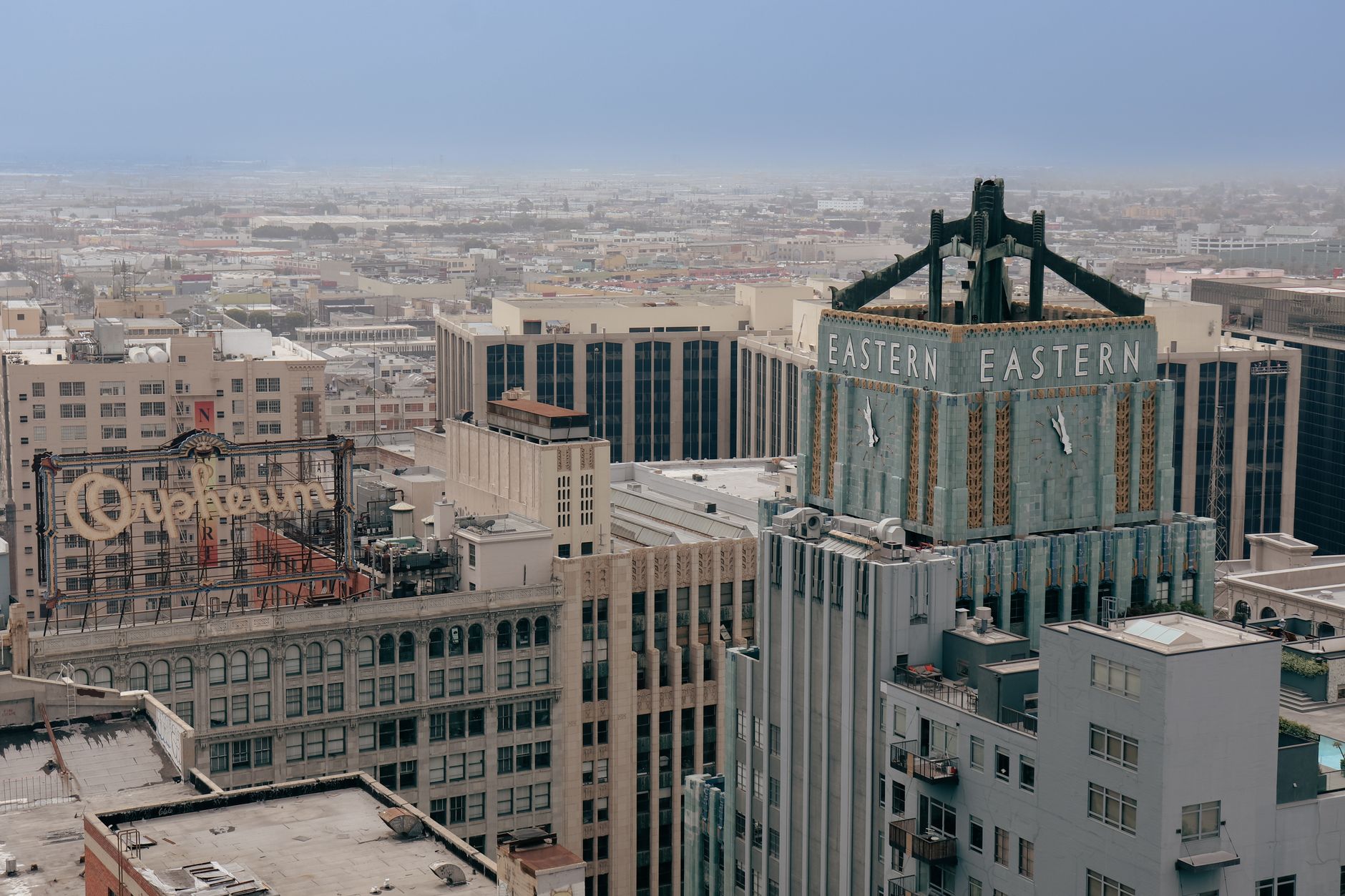
At El Mercadito de Los Angeles on Whittier Boulevard in Boyle Heights, the mood is tense. Shoppers move quickly between stalls selling fresh cilantro and pan dulce, but conversations veer frequently toward worry—about family members still abroad, about tightening policies, about what comes next.
"Everyone is watching what's happening," says Maria Gonzalez, a community organizer at Boyle Heights Community Development Corporation, reflecting the anxiety rippling through Los Angeles neighborhoods that have long served as gateways for migrants seeking stability. "People are scared. We're seeing families make impossible choices."
The pressure points are mounting globally. Recent upheaval in Venezuela, escalating Iran tensions, and intensifying anti-foreigner violence in southern Africa are reshaping migration patterns toward American cities. Los Angeles, already home to nearly 1.1 million foreign-born residents—roughly 27 percent of the city's population—is once again at the center of this transformation.
In Thai Town along Hollywood Boulevard, Siripa Thanomchai, who owns a small restaurant near the Thai Community Development Center, describes an influx of inquiries from relatives overseas asking whether it's still safe to come. "My cousin in Bangkok keeps messaging me. She's afraid about the visa situation, but more afraid to stay," she explains. "These decisions aren't simple."
The anxiety extends beyond individual households. At the Coalition for Humane Immigrant Rights office in downtown Los Angeles, staff members report an uptick in legal consultations from people seeking clarity on their status and options. Koreatown's Korean American Community Services reports similar patterns, with residents juggling multiple concerns: employment stability, healthcare access, and political uncertainty.
Housing costs compound the stress. With median rents in Boyle Heights hovering around $1,800 monthly for a one-bedroom apartment, newly arrived families already face brutal choices. Community leaders worry incoming migration pressure will further squeeze an already strained market.
Yet alongside the fear, there's resilience. Community organizations across these neighborhoods—from the Immigrant Defenders Law Center to local mutual aid networks—are documenting experiences and preparing resources. These groups emphasize that Los Angeles's multicultural fabric, built through generations of migration, remains its strength.
"This city has always been defined by people seeking better lives," Thanomchai observes. "What's different now is the speed of change and the uncertainty. But we stay because community matters more than fear."
This article was compiled by AI and screened before publishing. See our editorial standards.
How does this story make you feel?
Spread the word
About this article
Published by The Daily Los Angeles
Daily brief
Free, in your inbox before 7am. Weekdays.
More in News


