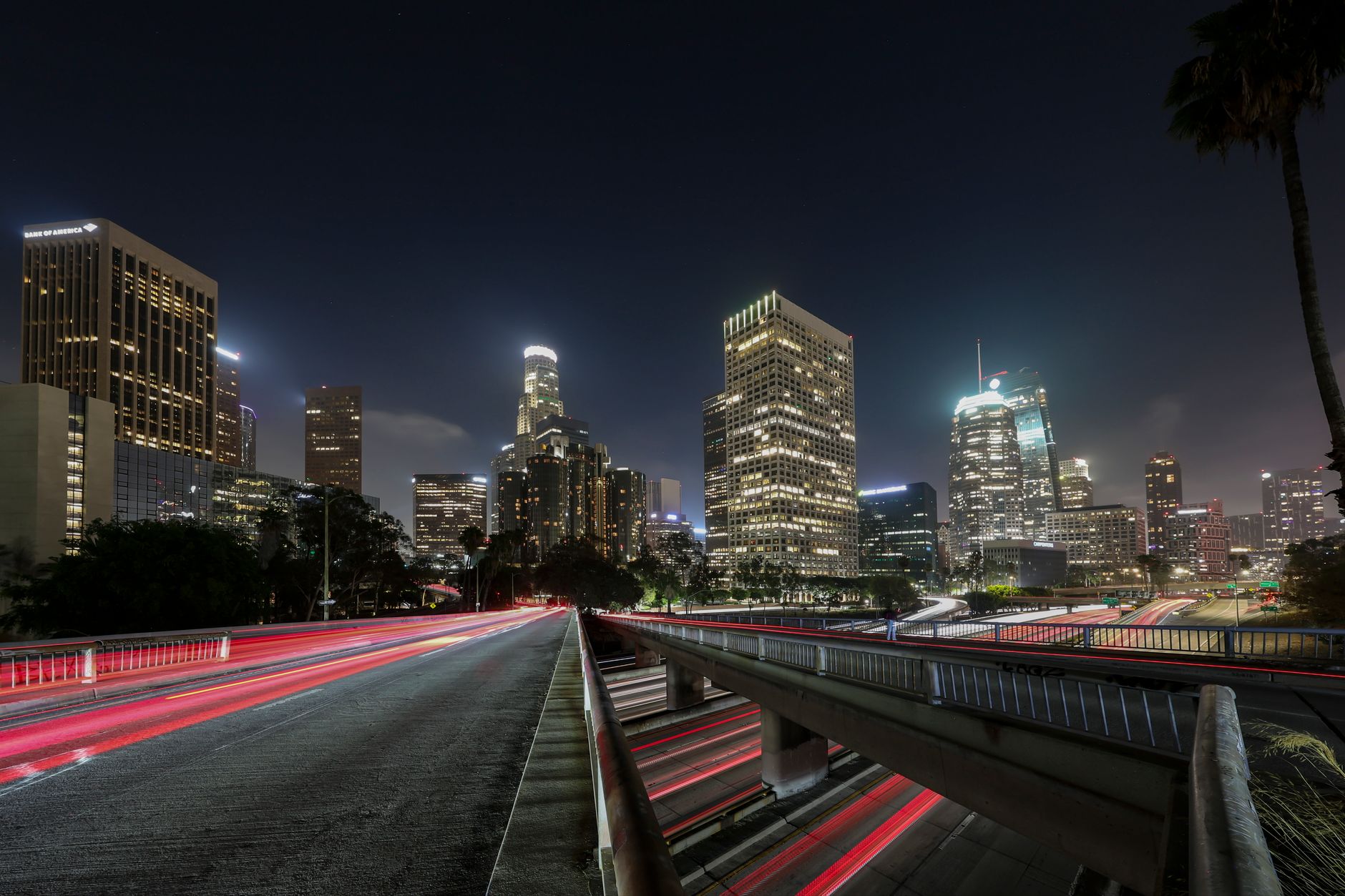
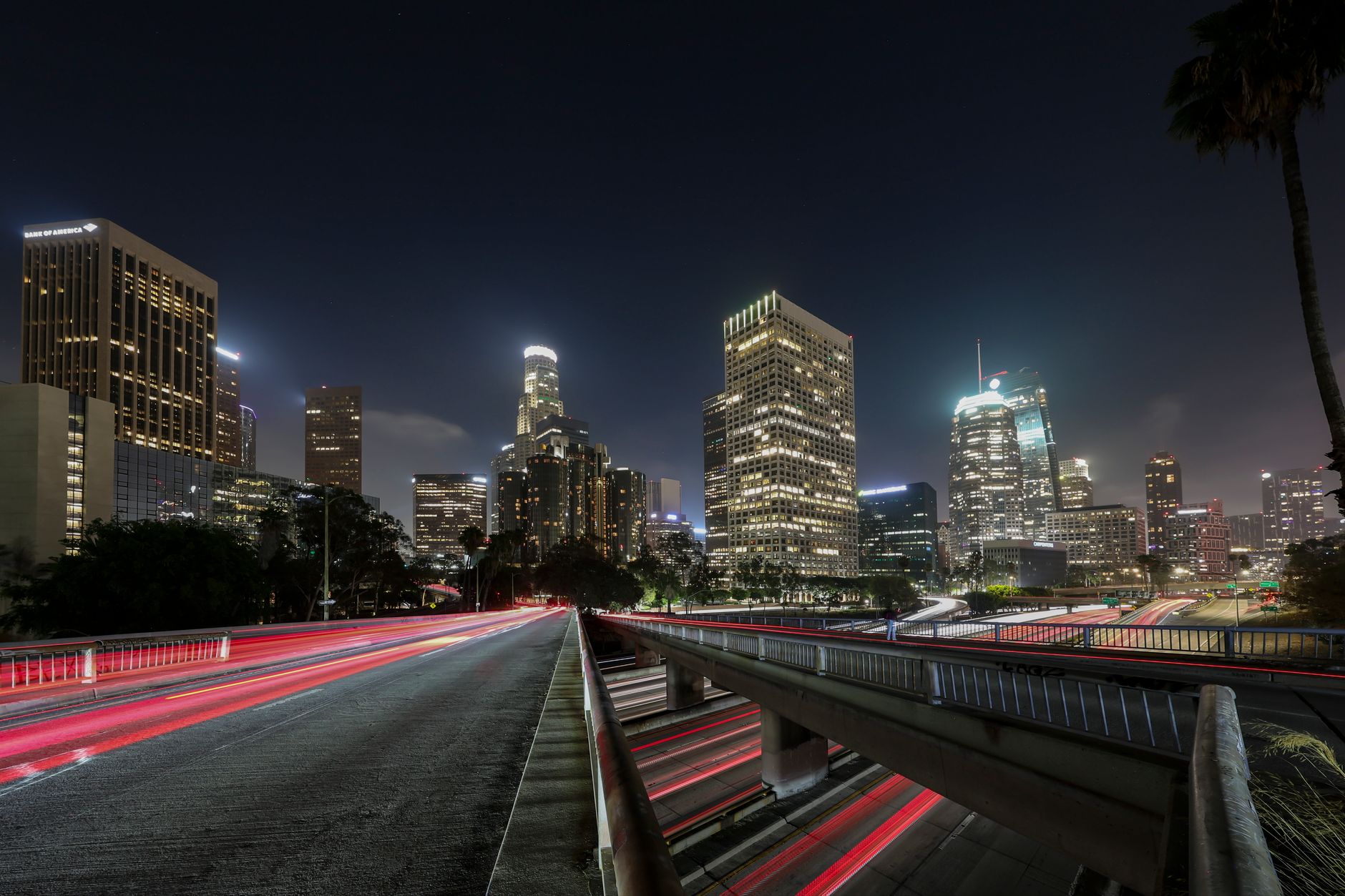
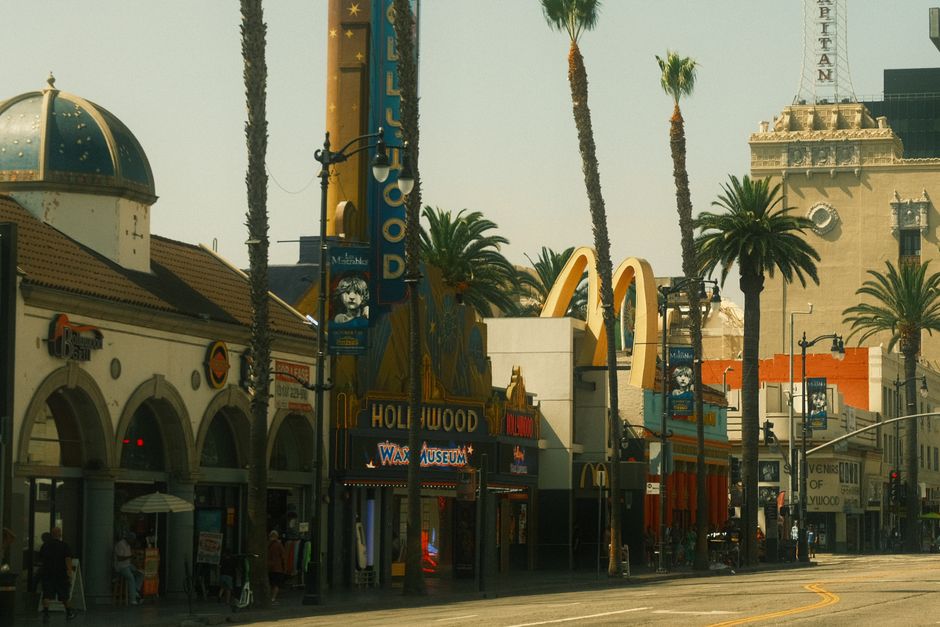
Los Angeles stands at a pivotal moment in its housing crisis. With median rents exceeding $2,200 monthly and homeownership increasingly out of reach for working families, the decisions made over the next eighteen months will determine whether the city can build its way toward affordability or continues its steady drift toward a two-tiered metropolis.
The most immediate test arrives with the city council's deliberation on zoning reform in August. The proposed changes would allow duplexes and triplexes in single-family residential areas across neighborhoods like Silver Lake, Los Feliz, and Hancock Park—areas where restrictive zoning has protected exclusivity for decades. City planners estimate that relaxing these rules could unlock 200,000 additional housing units citywide over ten years. Yet fierce neighborhood opposition is already mobilizing, with established homeowner associations arguing the changes will destroy neighborhood character and strain infrastructure.
Simultaneously, Metro's Transit-Oriented Communities (TOC) program faces a crucial expansion decision. The agency must decide how aggressively to pursue high-density housing near transit nodes along the Red Line, Gold Line, and forthcoming lines. A pilot project near the Pershing Square station downtown showed promise—350 new apartments in two years—but replicating this across corridors like the Hollywood to Long Beach segment requires resolving disputes over affordable unit percentages and developer incentives.
A third flashpoint concerns the Wilshire Corridor, where the city must reconcile competing visions: developers seeking profitable mid-rise projects versus activists demanding that 50 percent of new units remain affordable for households earning under 80 percent of area median income. With construction costs hovering near $700 per square foot, builders argue that mandates above 35 percent make projects economically unviable.
Finally, the city faces a financing question. Los Angeles must decide whether to pursue a local housing bond measure for the 2026 ballot—potentially $10 billion dedicated to acquisition and preservation of existing buildings. Other California cities have successfully done this; San Francisco raised $600 million in 2024. Yet budget pressures from ongoing city operations make the political lift substantial.
None of these decisions will solve LA's housing shortage alone. But together, they represent the difference between incremental progress and meaningful change. City officials and community stakeholders have until Labor Day to chart a course. The neighborhoods that result from these choices will shape who can afford to live in Los Angeles for generations to come.
This article was compiled by AI from the sources linked above and screened before publishing. See our editorial standards.