How LA Became America's Gateway: The Decades-Long Story ...
From Cold War policies to NAFTA's aftermath, the forces reshaping Los Angeles neighborhoods trace back generations.
From Cold War policies to NAFTA's aftermath, the forces reshaping Los Angeles neighborhoods trace back generations.
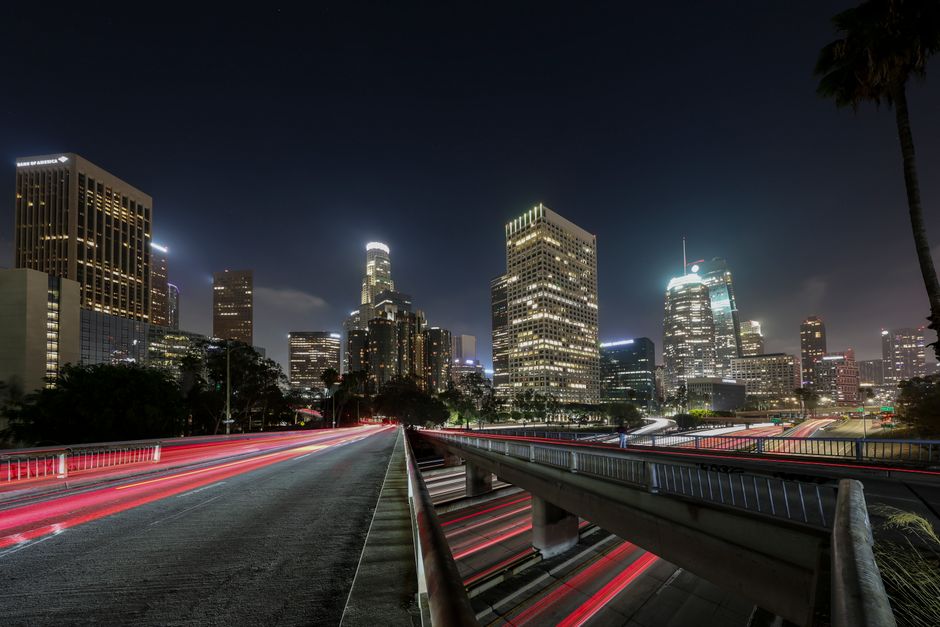
The crowded sidewalks along Broadway in downtown Los Angeles tell a story that didn't begin yesterday. They reflect nearly seventy years of immigration policy, geopolitical upheaval, and economic decisions that have systematically made Southern California the primary entry point for people fleeing instability across Latin America and beyond.
The roots run deep. After the Cuban Revolution in 1959, U.S. Cold War policy actively encouraged Cuban migration, establishing precedents that would shape how Washington treated subsequent refugee waves. By the 1980s, Central American civil wars—fueled partly by U.S. foreign interventions—sent hundreds of thousands northward. Los Angeles, with its established Hispanic communities in Boyle Heights, El Pueblo, and Lincoln Heights, became the natural destination.
Then came 1994. NAFTA fundamentally altered Mexico's agricultural economy, displacing rural farmers who could no longer compete with subsidized U.S. corn imports. Economists estimate the trade agreement eliminated roughly 1.3 million Mexican farming jobs. Desperate workers migrated north, and Los Angeles absorbed them, with neighborhoods like South Central and the San Fernando Valley becoming primary settlement zones.
The infrastructure followed the people. By 2010, nearly half of LA County's 10 million residents were Latino. Community organizations like CHIRLA (Coalition for Humane Immigrant Rights) and Casa Latina established themselves in MacArthur Park and downtown to provide legal services, healthcare, and social support. Today, they manage caseloads that would have seemed unimaginable twenty years ago.
Current conditions have accelerated these historical currents. Gang violence in Honduras and El Salvador now ranks among the world's deadliest outside active war zones. Venezuela's economic collapse has displaced six million people regionally. Meanwhile, climate change intensifies droughts across Central America—farmers in Guatemala report crop failures for the third consecutive year.
The housing crisis compounds everything. A one-bedroom apartment in Echo Park now averages $1,800 monthly, forcing newly arrived families into overcrowded units throughout South LA and the San Gabriel Valley. Wage stagnation means newcomers struggle to earn enough for basic survival, even as local employers depend on immigrant labor.
Understanding today's situation requires recognizing this isn't spontaneous chaos—it's the predictable result of policies made in Washington decades ago, combined with regional violence and environmental pressures beyond any individual's control. Los Angeles, as America's most geographically proximate major city to Central America, has inevitably borne the consequences, for better and worse.
This article was compiled by AI from the sources linked above and screened before publishing. See our editorial standards.
How does this story make you feel?
Spread the word
About this article
Published by The Daily Los Angeles
Daily brief
Free, in your inbox before 7am. Weekdays.
More in News