LA Immigrant Rights Resources: Boyle Heights Guide
Find immigration legal assistance and family support services in Los Angeles neighborhoods. Learn where Boyle Heights residents access help navigating enforcement changes.
Find immigration legal assistance and family support services in Los Angeles neighborhoods. Learn where Boyle Heights residents access help navigating enforcement changes.
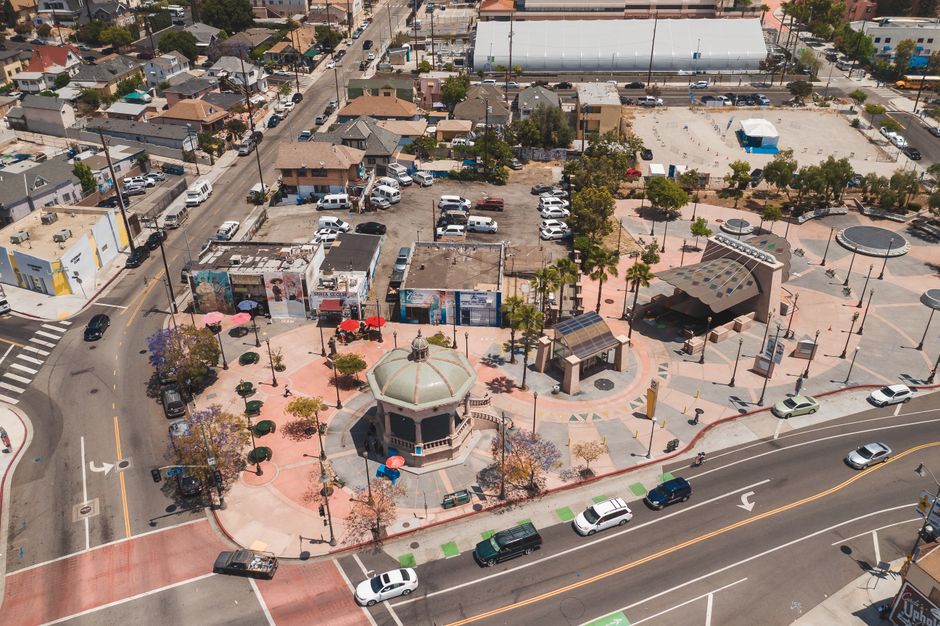
Maria López Community Center on Whittier Boulevard in Boyle Heights has become an unlikely hub for migrant families seeking guidance on legal rights and resources. Since early June, intake appointments have surged 40 percent, according to center director communications, as word spreads about shifting enforcement priorities under the current administration.
The stories emerging from East LA neighborhoods tell a complex picture that extends far beyond federal headlines. Community members describe a palpable anxiety mixed with determination, as mixed-status families navigate employment concerns, healthcare access, and educational decisions for their children.
At the Coalition for Humane Immigrant Rights office near downtown LA, caseworkers report increased inquiries about family reunification pathways and visa options. The organization has documented that housing costs in traditionally migrant-friendly neighborhoods—where a one-bedroom apartment in central LA now averages $1,800 monthly—have forced many families into overcrowded living situations, creating additional vulnerabilities during heightened enforcement periods.
The economic dimensions of migration remain front and center for those working in the region's service, construction, and agricultural sectors. Labor advocates note that immigration uncertainty has depressed wages across these industries, with some positions offering 15 percent less than comparable jobs two years ago.
Beyond policy discussions, community leaders emphasize the cultural contributions migrants bring to Los Angeles. Local business associations in neighborhoods from Lincoln Heights to Koreatown's growing Central American section highlight how immigrant entrepreneurs have stabilized commercial corridors and generated tax revenue.
Religious institutions across LA—from Our Lady of Sorrows Catholic Church in Boyle Heights to immigrant-led churches throughout South LA—have become informal counseling centers, where pastors assist families processing applications and understanding their options.
School administrators in neighborhoods like Huntington Park report parents withdrawing children from enrollment, fearing their family immigration status might trigger complications. These decisions ripple through already resource-strained districts serving predominantly low-income families.
Local advocacy organizations emphasize that migration policy decisions made in Washington directly reshape life on Los Angeles streets. From breakfast lines at Union Station to waiting rooms on Olympic Boulevard, the human impact of federal immigration enforcement remains deeply visible and personal.
As negotiations continue at national levels, Los Angeles residents—immigrants and native-born citizens alike—navigate daily realities that national media coverage often misses: the school performance concerns, the workplace dynamics, the neighborhood shifts, and the fundamental human questions about belonging and opportunity that define contemporary LA.
This article was compiled by AI from the sources linked above and screened before publishing. See our editorial standards.
How does this story make you feel?
Spread the word
About this article
Published by The Daily Los Angeles
Daily brief
Free, in your inbox before 7am. Weekdays.
More in News