By the Numbers: What LA's Sustainability Push Actually Looks Like on the Ground
From downtown rooftop gardens to Santa Monica's carbon-neutral initiatives, the data reveals a city racing to meet its 2045 net-zero deadline.
From downtown rooftop gardens to Santa Monica's carbon-neutral initiatives, the data reveals a city racing to meet its 2045 net-zero deadline.
Los Angeles has committed to becoming carbon-neutral by 2045—a goal that sounds aspirational until you examine the numbers driving it. Behind the headlines about solar panels and electric buses lies a complex web of metrics, targets, and increasingly, results that paint a picture of a sprawling metropolis attempting to fundamentally reshape its environmental footprint.
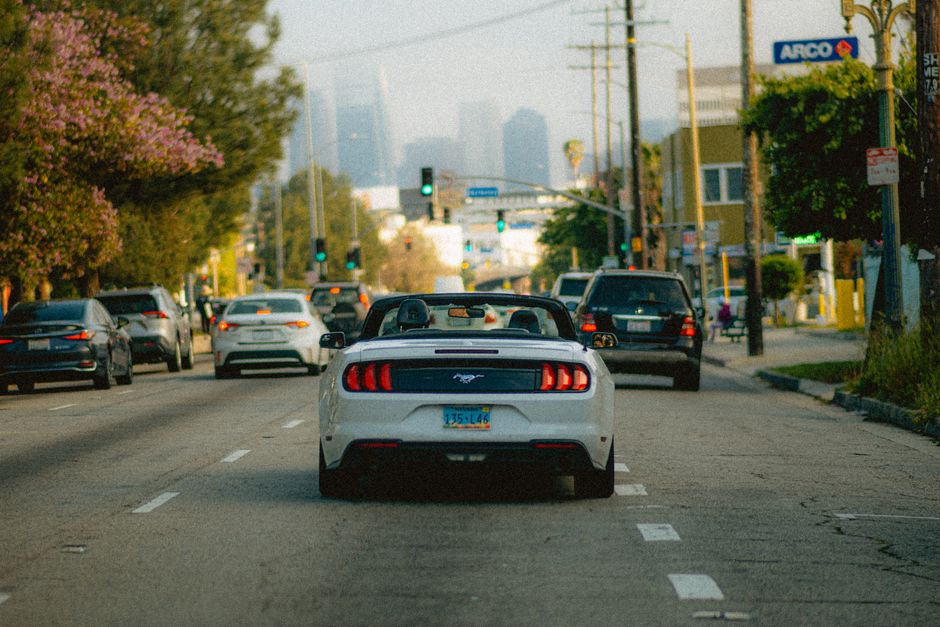
The data is staggering in scope. The city currently generates approximately 70 metric tons of greenhouse gas emissions annually, with transportation accounting for roughly 55 percent of that total. That's why the Los Angeles Department of Transportation reported in its latest sustainability framework that it aims to reduce vehicle miles traveled by 16 percent before 2035. To achieve this, the city is banking heavily on its transit infrastructure: Metro's latest ridership figures show approximately 370 million boardings annually, though transit advocates argue this number needs to climb substantially to meet emission targets.
Santa Monica, often viewed as LA's sustainability laboratory, offers revealing case studies. The beachside city has reduced emissions by 42 percent since 2006—a benchmark other neighborhoods are now chasing. Their municipal fleet conversion to electric vehicles cost approximately $12 million over five years, but operational savings have already recouped $3.2 million. Meanwhile, the city's rooftop solar installations have grown from 340 systems in 2015 to over 2,100 today, generating approximately 18 megawatts of peak capacity.
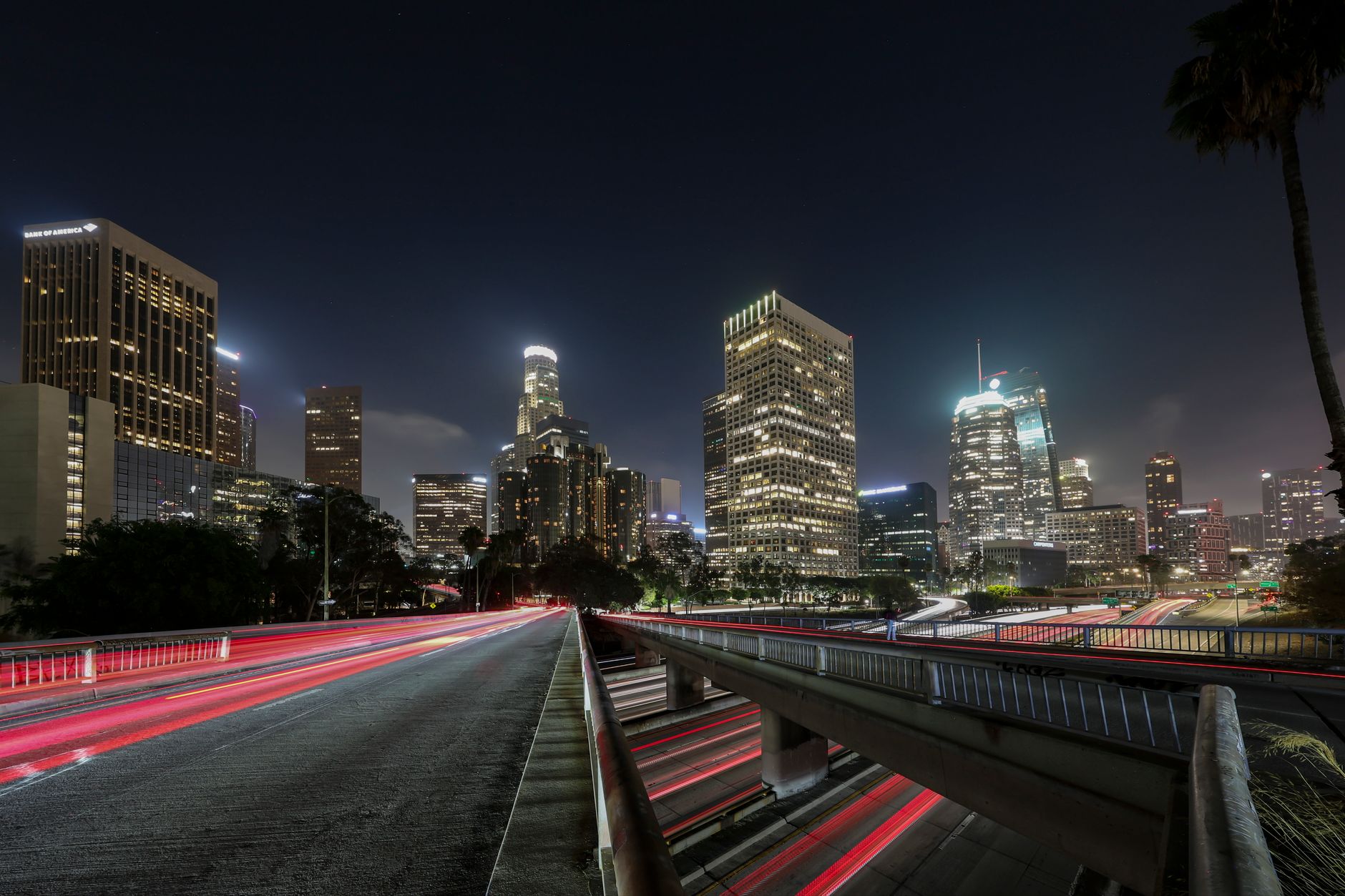
Downtown LA's trajectory is similarly data-rich. The Grammy Museum, Staples Center, and surrounding developments have collectively reduced energy consumption by approximately 31 percent since 2010 through retrofitting and smart grid technology. The downtown area's 1,100-acre footprint now hosts more LEED-certified buildings than any comparable urban district in the region—currently 89 structures meeting or exceeding those standards.
Water conservation metrics reveal perhaps the most dramatic shifts. The Department of Water and Power reports residential per-capita water usage has declined from 178 gallons daily in 2006 to 106 gallons today—a 40 percent reduction largely attributed to landscape transformation incentives and building code changes. The city has distributed rebates totaling $287 million for converting water-intensive landscaping across roughly 850,000 properties.
Yet the numbers also expose stubborn challenges. Waste diversion rates remain at 74 percent, still short of the city's 90 percent goal by 2025. Construction debris and commercial waste continue to outpace residential recycling improvements. Meanwhile, achieving the transportation emission targets requires increasing electric vehicle adoption from the current 8.3 percent of registered vehicles to approximately 28 percent within nine years—a pace that would demand unprecedented infrastructure investment.
These aren't abstract environmental metrics. They're the numerical scaffolding upon which Los Angeles is attempting to reinvent itself.
This article was compiled by AI from the sources linked above and screened before publishing. See our editorial standards.
How does this story make you feel?
Spread the word
About this article
Published by The Daily Los Angeles
Daily brief
Free, in your inbox before 7am. Weekdays.
More in News