The Daily Commute: Meet the Angelenos Who Keep This City Moving
From the Red Line to the 405, the strangers who share our routes are the unsung architects of Los Angeles life.
From the Red Line to the 405, the strangers who share our routes are the unsung architects of Los Angeles life.
Listen to this article · 3:16
At 6:47 a.m., the Red Line platform at Union Station fills with the particular energy that defines Los Angeles transit: deliberate, diverse, and deeply human. A nurse in purple scrubs scrolls through her phone, mentally preparing for a shift at Cedars-Sinai. A film student cradles an equipment case like a child. A construction foreman clutches an iced coffee from the bodega on Spring Street. They don't know each other, but they share something profound—they've chosen to move through this sprawling city together, on public transit, which still carries fewer than 3 percent of Los Angeles commuters.
That statistic haunts the city. Yet it's precisely because transit remains countercultural here that the people who use it tell stories worth hearing. The Metro system, which logs roughly 400,000 daily boardings across its bus and rail network, is where Los Angeles reveals its true character: working-class resilience, immigrant entrepreneurship, and the quiet determination of people for whom a 90-minute commute from the San Fernando Valley to Long Beach is simply the cost of living here.
Consider the mathematics of the 405. On any weekday, nearly a million vehicles crawl through its arteries. Yet inside those cars are millions of individual narratives—the Westwood-to-Santa Monica carpoolers who've turned their Prius into a mobile book club, the gig worker juggling three apps simultaneously at a Culver City rest stop, the retired aerospace engineer who drives from Pasadena to Malibu three times weekly as a volunteer tutor.
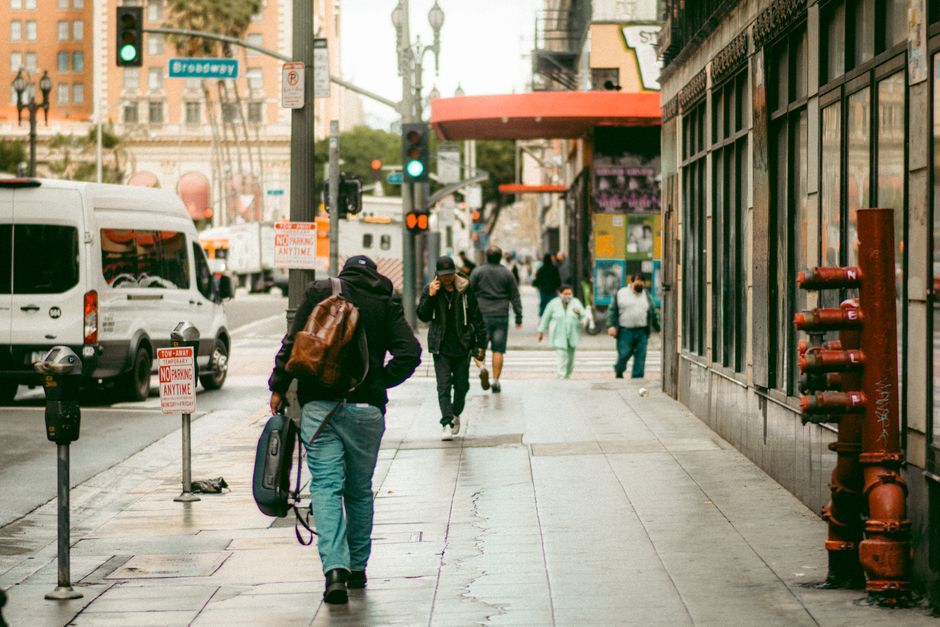
The real Los Angeles isn't found in Hollywood Hills or Santa Monica Pier. It's visible in the faces of people at the Wilshire/Vermont bus stop, waiting in the July heat. It's audible in the multilingual conversations aboard the Green Line headed to LAX. It's present in the unspoken courtesy between strangers—the way a young parent collapses a stroller to make room, how a businessman yields his seat without being asked.
Metro's recent expansion of bus rapid transit on Wilshire Boulevard and investments in the system suggest the city is finally reconsidering its car-dependent future. But regardless of infrastructure improvements, what makes Los Angeles work is the people already embedded in this system. The early risers. The essential workers. The students and dreamers and ordinary souls who've decided that sharing space—whether in a crowded bus cabin or an idling freeway lane—is the price and privilege of belonging to the world's most complex city.
Their stories deserve more attention than traffic reports ever will.
This article was compiled by AI and screened before publishing. See our editorial standards.
How does this story make you feel?
Spread the word
About this article
Published by The Daily Los Angeles
Daily brief
Free, in your inbox before 7am. Weekdays.
More in lifestyle