Los Angeles Public Transportation: Metro's 2026 Expansion
LA's transit identity reshapes urban mobility. Explore Metro's 106 stations, commute alternatives to the 405, and how Los Angeles differs from global transit models.
LA's transit identity reshapes urban mobility. Explore Metro's 106 stations, commute alternatives to the 405, and how Los Angeles differs from global transit models.
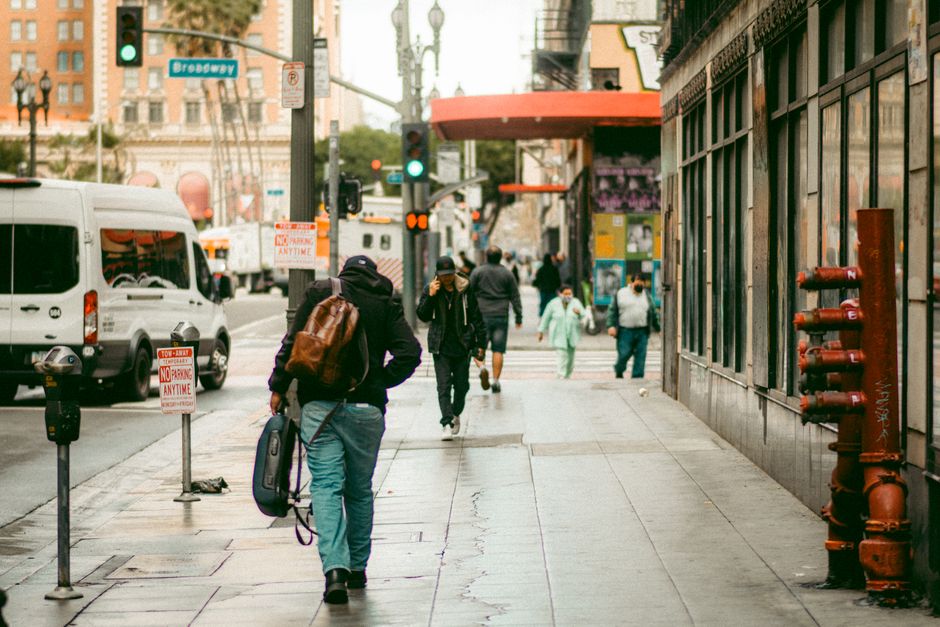
Getting around Los Angeles has always been a study in contradictions. This is a city where you might spend 90 minutes crawling through the Sepulveda Pass on the 405, only to arrive at your destination and realize parking will cost more than a meal at many of the restaurants lining Melrose Avenue. Yet simultaneously, it's a metropolis that's fundamentally reshaping how millions of people navigate urban space—in ways that defy easy comparison to Tokyo's clockwork efficiency or London's integrated transit network.
What makes LA's transportation landscape genuinely distinctive isn't any single mode of getting around. It's the deliberate coexistence of wildly different systems serving different populations. The Metro system, which has expanded to 106 stations across three rail lines as of 2026, doesn't compete with car culture here—it exists alongside it, serving roughly 450,000 daily riders while millions of others maintain their vehicle dependency. That's not failure; it's structural reality.
Compare this to Paris, where metropolitan rail integration is nearly absolute, or to Singapore, where transit monopoly is by design. Los Angeles has instead embraced—almost accidentally—a transportation ecosystem that accommodates choice in ways most global cities can't. You can take the Red Line from Downtown to Hollywood, transferring to the Orange Line Bus Rapid Transit heading toward the San Fernando Valley. Or you can drive the Hollywood Freeway. Both options coexist without pretense of merger.
The economics reflect this uniqueness too. A monthly Metro pass costs $100, while parking in Santa Monica runs $2–$5 per hour, and many West LA employers still offer free or subsidized parking—a benefit nearly extinct in other major cities. Gas prices hover around $3.80 per gallon, and the average commute time sits at 31 minutes, among the nation's longest.
Yet there's something distinctly LA about this arrangement. The city grew up around the automobile in ways that Tokyo, London, and Paris never did. Rather than fighting that reality, the region is layering transit options onto existing infrastructure. The Purple Line extension now reaches Koreatown. Plans for the Regional Connector will link downtown's three rail lines. These aren't band-aids on broken systems; they're accommodations to a city that refuses singular identity.
What makes Los Angeles unique isn't having the world's best or most efficient transportation. It's building a transportation culture that acknowledges residents will move through the city in fundamentally different ways—and designing systems elastic enough to hold that contradiction. Few global cities manage it so visibly.
This article was compiled by AI and screened before publishing. See our editorial standards.
How does this story make you feel?
Spread the word
About this article
Published by The Daily Los Angeles
Daily brief
Free, in your inbox before 7am. Weekdays.
More in lifestyle