The Faces Behind LA's Neighborhoods: Meet the Residents Who Built These Communities
From Echo Park to Boyle Heights, real Angelenos reveal how neighborhood identity is shaped by the people who call these streets home.
From Echo Park to Boyle Heights, real Angelenos reveal how neighborhood identity is shaped by the people who call these streets home.
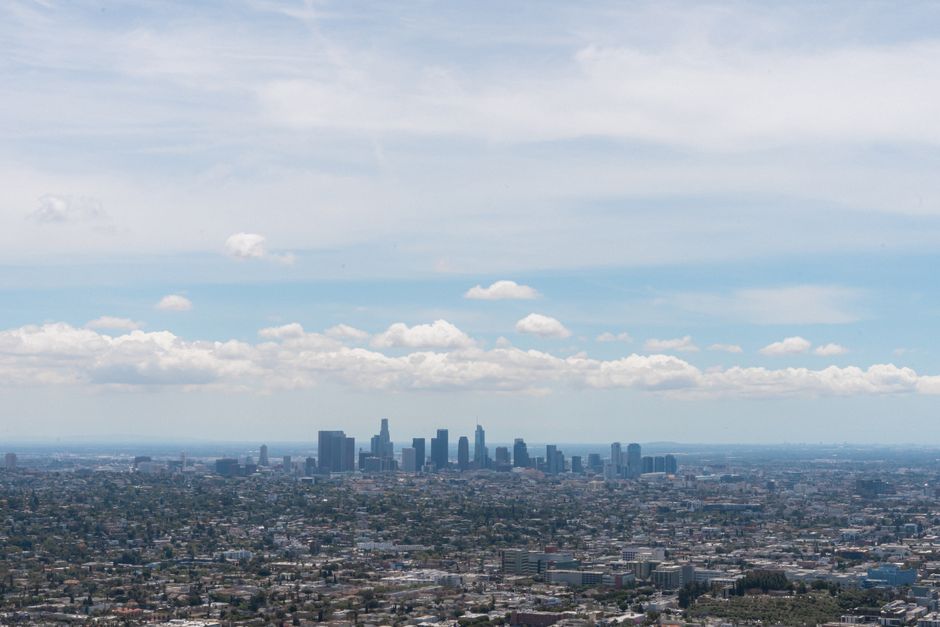
Los Angeles sprawls across nearly 500 square miles, but what transforms those miles into genuine neighborhoods isn't architecture or real estate values—it's the people. Walk down Sunset Boulevard in Echo Park, and you'll encounter a cross-section of the city that tells the real story of urban life in 2026.
Maria Delgado has run her family's taquerías on Alvarado Street for three decades, watching the neighborhood transform from a working-class Mexican enclave into one of LA's most coveted postcodes. "The rents have tripled," she says matter-of-factly, "but the heart of this place is still in these relationships." Her restaurant remains a gathering point where longtime residents and newcomers alike queue for carnitas, a tangible link to community continuity amid gentrification pressures that have reshaped similar neighborhoods citywide.
In Boyle Heights, where median rents hover around $1,850 for a one-bedroom—up 40% in five years—community organizers have become as essential as landlords. Local nonprofits like El Pueblo are working to preserve affordable housing while supporting the artistic traditions that made the neighborhood culturally significant. The street murals on Whittier Boulevard aren't just Instagram backdrops; they're declarations of cultural ownership.
Silver Lake's creative class tells a different story. The neighborhood that once attracted artists seeking affordable studio space has become increasingly homogenized, with coffee shops and boutiques replacing vintage thrift stores. Yet pockets of authenticity persist. Independent bookstores, community gardens, and DIY music venues continue to operate, sustained by residents fiercely committed to preventing total commercialization.
What emerges across Los Angeles's diverse neighborhoods is a pattern: communities thrive when longtime residents maintain cultural and economic presence. Whether it's the Korean business owners rebuilding Koreatown's commercial corridors, the LGBTQ+ community that remains central to West Hollywood's identity, or the immigrant families nurturing Little Armenia's cultural institutions, these are the people who define neighborhood character.
Real estate developers and city planners write the zoning codes, but residents write the actual story. They open businesses, tend community gardens, organize street festivals, and pass down institutional knowledge about "how things work here." These relationships—accumulated over years, sometimes decades—create the texture that makes a neighborhood feel like home rather than just a geographic location with a median price point.
As Los Angeles continues evolving, paying attention to these human stories becomes increasingly important. Neighborhoods aren't preserved through nostalgia; they're preserved when the people who built them can afford to stay.
This article was compiled by AI from the sources linked above and screened before publishing. See our editorial standards.
How does this story make you feel?
Spread the word
About this article
Published by The Daily Los Angeles
Daily brief
Free, in your inbox before 7am. Weekdays.
More in lifestyle