Silver Lake's Second Act: How a Historic Neighborhood Reinvented Itself Without Losing Its Soul
Once dismissed as too edgy, Silver Lake has become LA's unlikely haven for young families and established creatives who wanted walkability over sprawl.
Once dismissed as too edgy, Silver Lake has become LA's unlikely haven for young families and established creatives who wanted walkability over sprawl.
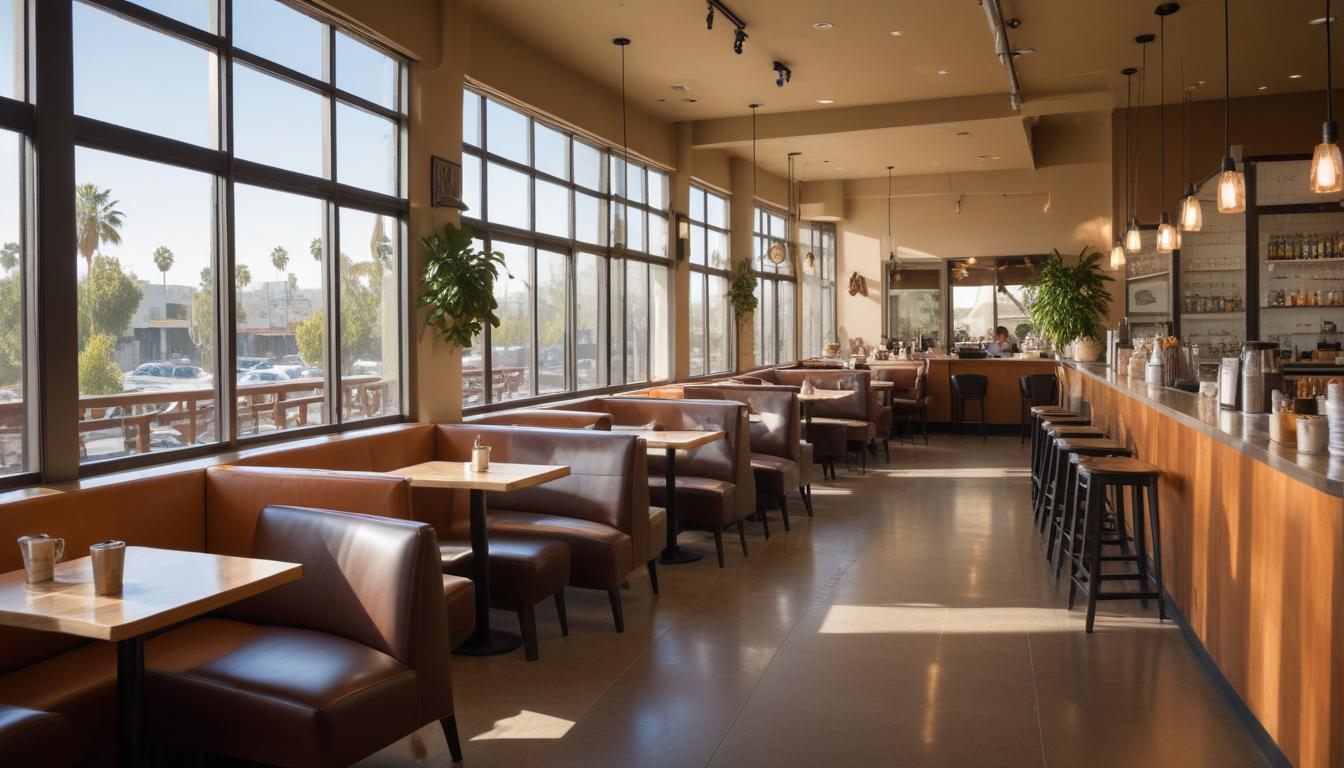
Walk down Sunset Boulevard through Silver Lake on a Saturday morning in 2026, and you'll spot something that would've seemed improbable five years ago: strollers outnumber motorcycles, and the espresso bars are packed with people comparing preschool waitlists rather than script notes.
The transformation isn't accidental. A combination of infrastructure improvements, new community-led initiatives, and a genuine shift in what Los Angeles residents prioritize has quietly repositioned this historic neighborhood as the city's most livable quadrant—without the premium price tags of nearby Los Feliz or Echo Park.
The catalyst came in 2024 when the city completed the Silver Lake Pedestrian Safety Initiative, redesigning key intersections along Hyperion and Micheltorena Street. Traffic incidents dropped 34%, according to LADOT data, making families willing to trade the car-dependent lifestyle they'd long accepted. Meanwhile, the opening of the Silver Lake Community Garden Collective on the grounds of the former Ivanhoe Elementary annex created green space that had been missing for decades.
Real estate reflects the shift. In 2021, median home prices in Silver Lake hovered around $875,000; today, comparable properties sell for $1.2 million—steep by most standards, but $400,000 cheaper than Los Feliz and significantly more affordable than properties near Griffith Observatory. Renters have noticed too, with a one-bedroom apartment averaging $2,100 monthly, compared to $2,750 in adjacent neighborhoods.
What locals say they love most isn't architectural—it's cultural permission. The neighborhood's 60-year reputation for artistic experimentation and counterculture has created genuinely inclusive spaces. The Silverlake Independent Film Festival, now in its seventh year, draws 15,000 visitors annually. The newly renovated Silver Lake Reservoir Loop, completed in early 2026, has become the city's most-used neighborhood trail.
Small businesses have flourished within this context. Vinyl boutiques sit beside modern pediatric clinics. Multi-generational taquerias operate next to farm-to-table restaurants. This isn't gentrification textbook fashion—it's genuine coexistence born from the neighborhood's existing character rather than imposed upon it.
For longtime residents and newcomers alike, Silver Lake's appeal now centers on what the rest of Los Angeles keeps chasing: a place where you can walk to dinner, know your barista, and raise kids without needing a second mortgage or a two-hour commute. In a city perpetually reinventing itself, Silver Lake simply remembered who it was—and discovered others wanted that too.
This article was compiled by AI from the sources linked above and screened before publishing. See our editorial standards.
How does this story make you feel?
Spread the word
About this article
Published by The Daily Los Angeles
Daily brief
Free, in your inbox before 7am. Weekdays.
More in lifestyle