Five years ago, Silver Lake's main transit story was straightforward: drive or take the 2 or 302 bus down Sunset Boulevard and hope traffic cooperated. Today, the neighbourhood east of downtown is experiencing a transportation metamorphosis that's reshaping daily life for its 15,000-plus residents in ways both subtle and profound.
The catalyst has been the explosive expansion of protected bike infrastructure and the strategic placement of e-scooter hubs around the Silver Lake Reservoir and along the newly reconfigured Rowena Avenue corridor. The city completed 2.8 miles of protected bike lanes here in 2024, and ridership data from the Bureau of Transportation shows a 47 percent increase in cycling commutes compared to 2023. For a neighbourhood that historically felt cut off by the serpentine hills and limited public transit, the change feels revelatory.
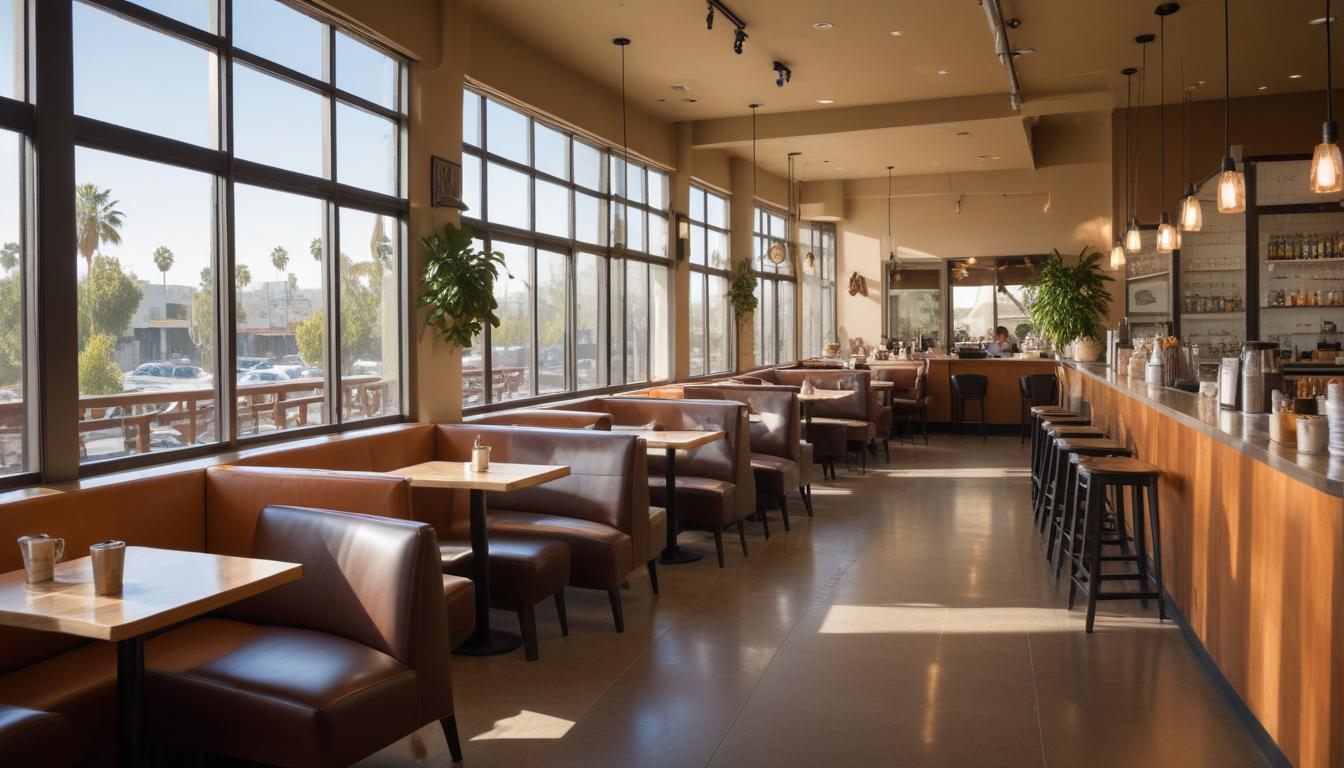
"People who'd never consider biking to Los Feliz or Atwater Village are doing it now," says local business owner Marcus Chen, whose Silver Lake coffee shop has watched its morning commuter clientele shift from car-dependent regulars to cyclists grabbing coffee before heading down the hill. The average e-bike commute from Silver Lake to downtown now takes roughly 22 minutes—competitive with driving during peak hours when the 101 Freeway backs up consistently between 7:30 and 9:30 a.m.
But this evolution isn't just about speed or convenience. It's reshaping the neighbourhood's identity. Commercial activity is consolidating around new micro-mobility nodes near the Silver Lake Silver Lake Loop trail entrance and the Sunset Junction intersection, where bike repair shops and scooter charging stations cluster alongside established venues. Parking demand has noticeably declined on residential streets like Lucile Avenue and Effie Street, where residents report finding street parking available at times previously unthinkable.
The transition hasn't been frictionless. Some longer-distance commuters—those working in Santa Monica or the San Fernando Valley—still depend on vehicles, creating ongoing tensions between transit modes. And infrastructure remains incomplete; advocates continue pushing for better connections linking Silver Lake to the increasingly robust Northeast LA bike network.
Yet the momentum is undeniable. As Los Angeles systematically invests in alternative transport infrastructure, Silver Lake has emerged as an unexpected proving ground for how hilly, historically car-dependent neighbourhoods can genuinely reimagine mobility. For commuters willing to embrace it, getting around Silver Lake in 2026 looks radically different than it did half a decade ago.
This article was compiled by AI from the sources linked above and screened before publishing. See our editorial standards.