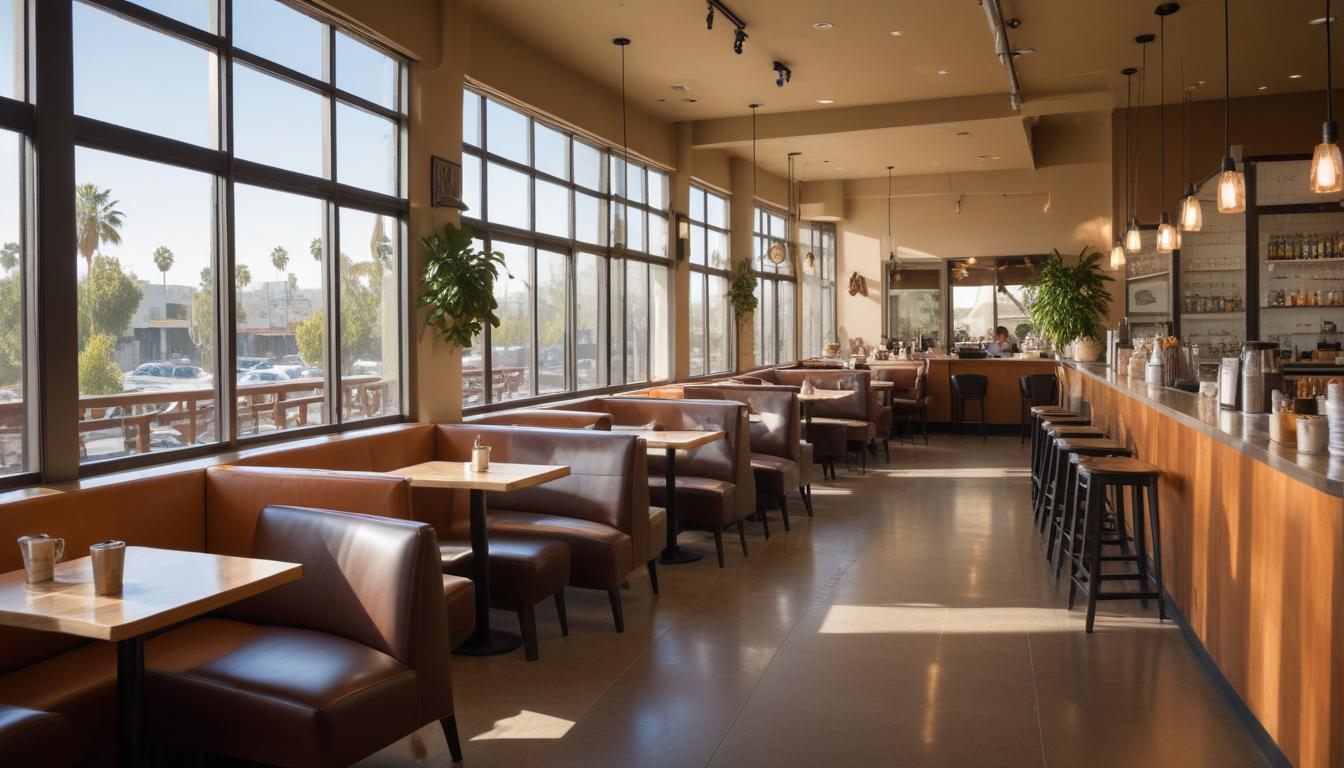
Walk down Sunset Boulevard in Silver Lake on any given Saturday, and you'll witness the collision of old Los Angeles and new—vintage record shops beside third-wave coffee roasters, muralists painting century-old brick walls, residents debating zoning changes at corner cafés. It's the people who create this texture, the ones who've chosen to stay and build something tangible in a city famous for transience.
Echo Park remains one of LA's most studied neighbourhoods, with median rents hovering around $2,100 for a one-bedroom apartment. Yet despite gentrification pressures that have displaced thousands of working families across the city, pockets of genuine community persist. The Echo Park Lake Friends, a volunteer group formed in 2019, meets monthly to discuss conservation and access to the water. Their work transformed a neglected public space into a gathering point where joggers, families and long-time residents interact across demographic lines.
Los Feliz tells a similar story through its people. Mary's Café on Vermont Avenue has operated continuously since 1965, its owner watching three generations of families order the same breakfast combination. The Griffith Observatory, perched above the neighbourhood since 1935, draws over 2 million visitors annually—but the regulars are the telescope volunteers who staff the facility most nights, amateur astronomers sharing their passion freely with strangers from every corner of the city.
Further east, the Arts District's industrial spaces have attracted artists priced out of coastal neighbourhoods. The Broad Museum downtown, free admission since opening in 2015, has become a cultural anchor that knits together disparate communities. But it's the warehouse studios on East 3rd Street, the independent galleries, and the small restaurants opened by residents who actually live here that define the neighbourhood's character.
What distinguishes LA's best neighbourhoods isn't architectural homogeneity or proximity to the beach—it's the presence of people who choose proximity to each other. They volunteer on neighbourhood councils, start community gardens, organise street fairs, teach at local schools, and run family businesses. They notice when neighbours are struggling and show up. They're invested not in speculation but in the daily practice of living alongside difference.
These faces won't appear in glossy real estate marketing, but they're the ones you'll encounter at the farmer's market, at city hall meetings, at neighbourhood coffee shops where regulars are known by name. In a city of nearly 4 million, they're the antidote to anonymity—proof that Los Angeles, despite its sprawl and fragmentation, remains a place where community can still take root.
This article was compiled by AI from the sources linked above and screened before publishing. See our editorial standards.