Walk down Sunset Boulevard through Silver Lake in 2026, and you'll notice something unexpected: the neighbourhood feels less like a Instagram backdrop and more like an actual place where people live, work, and genuinely belong. The transformation happened quietly, without the fanfare of a downtown revival or the gentrification rhetoric that plagued discussions here five years ago.
The shift accelerated when the Silver Lake Reservoir underwent its $300 million restoration in 2024, reopening as both ecological sanctuary and genuine community gathering space. Unlike previous iterations that felt exclusionary to many locals, the newly redesigned 10.5-acre green space now hosts affordable family picnics, free community yoga, and neighbourhood cleanups that draw residents across every demographic. "It changed the whole vibe," says the sentiment echoing through local coffee shops and parent groups. Families who'd considered fleeing to the San Fernando Valley suddenly had reason to stay.
Meanwhile, the commercial corridor underwent subtle but meaningful evolution. While high-end boutiques remain on Silver Lake Boulevard, several independent shops took root—a community tool library on Duane Street, a pay-what-you-can produce market operated by the Silver Lake Community Garden Alliance, and affordable co-working spaces that actually serve local freelancers rather than venture capitalists. The median rent for a one-bedroom apartment hovers around $2,100, still steep by broader LA standards but increasingly reasonable for neighbourhoods this close to downtown.
Perhaps most significantly, the neighbourhood's legendary artist community found new institutional support. The Los Angeles Nomadic Division and several artist collectives established permanent studios along the old industrial corridor near Griffith Park. These aren't privatised gallery spaces but genuine maker communities where locals can participate in classes, workshops, and exhibitions. The arts scene shifted from being something to consume to something to actively create within.
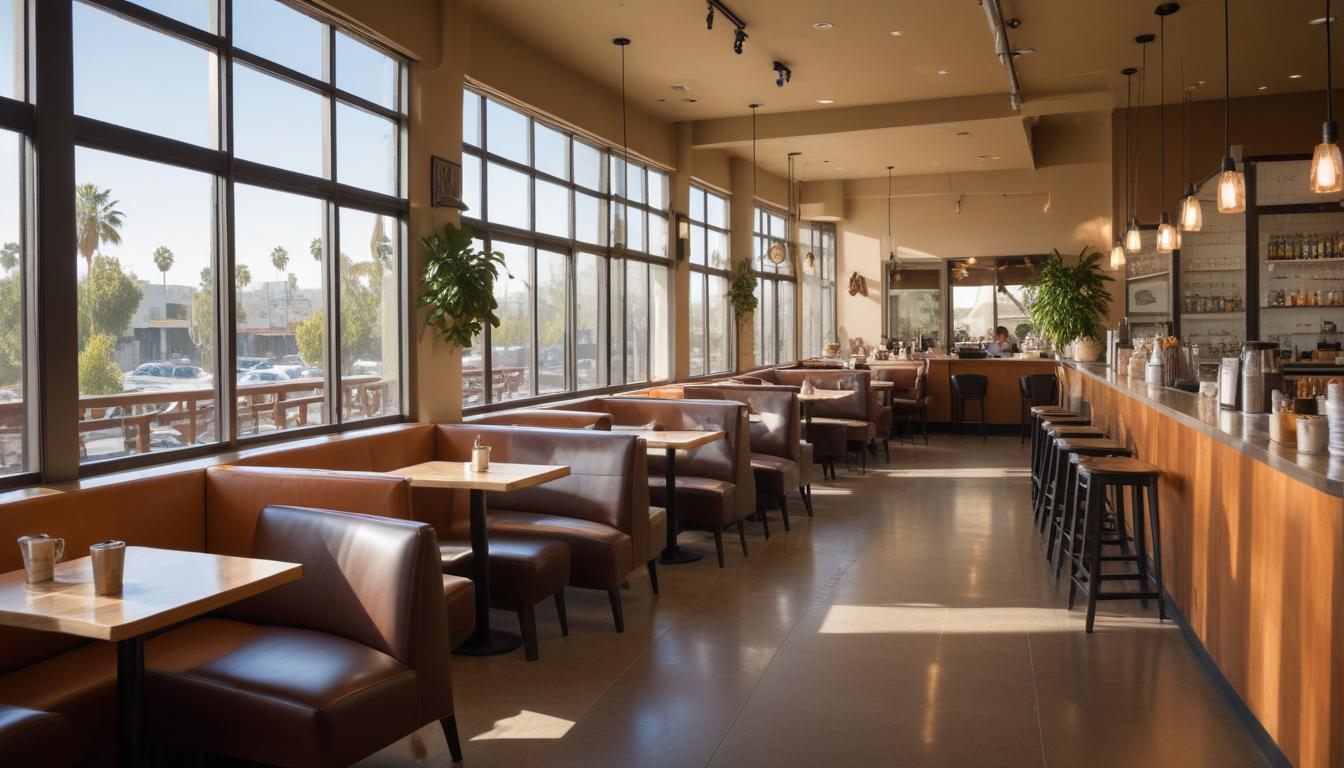
The restaurants tell this story too. Rather than chase Michelin stars, Silver Lake's dining scene embraced genuine neighbourhood gathering places—family-run taco stands, cooperatively owned coffee roasters, and casual spots where reservation systems don't exist and a meal costs less than $18.
Long-term residents credit the neighbourhood's escape from trend-cycle burnout to deliberate community organising. The Silver Lake Neighbourhood Council became genuinely influential, successfully advocating for affordable housing requirements, protecting tree canopy, and blocking several speculative development projects that would've transformed character into commerce.
Silver Lake didn't lose its creative energy. Instead, it finally learned to share it.
This article was compiled by AI from the sources linked above and screened before publishing. See our editorial standards.