Silver Lake has always been Los Angeles' artistic rebel, but the past eighteen months have marked a genuine inflection point. The neighbourhood that once symbolised displacement and rising rents is experiencing something unexpected: a renaissance built on community stability rather than transience.
The opening of the Silver Lake Reservoir Trail's newly renovated pedestrian path in early 2025 fundamentally changed how residents experience their neighbourhood. What was once a deteriorating infrastructure project is now a two-mile loop that connects the historic reservoir with Ivanhoe Street and the newly pedestrianised Sunset Boulevard corridor. Weekend mornings now see families, cyclists, and dog-walkers filling what was previously dead asphalt.
But the real shift runs deeper. Fletcher Drive, long overlooked in favour of Sunset Boulevard's tourist-heavy stretch, has become genuinely liveable. Local businesses—the cooperative bookstore at the Fletcher-Rowena junction, the non-profit community kitchen on the block between Griffith Park Boulevard and Los Feliz—have stabilised in a way that Instagram-baiting chains never did. Rents for one-bedroom apartments have plateaued at approximately $2,400 monthly, a ceiling rather than the escalating spiral of 2019-2023.
This stability stems from deliberate community action. The Silver Lake Neighbourhood Council's housing preservation initiative, launched in 2024, successfully prevented three rent-controlled buildings from converting to luxury condos. The Community Investment Fund, backed by local philanthropies and residents, now provides down-payment assistance for first-time homebuyers within the ZIP code—a rare intervention in Los Angeles' speculative real estate market.
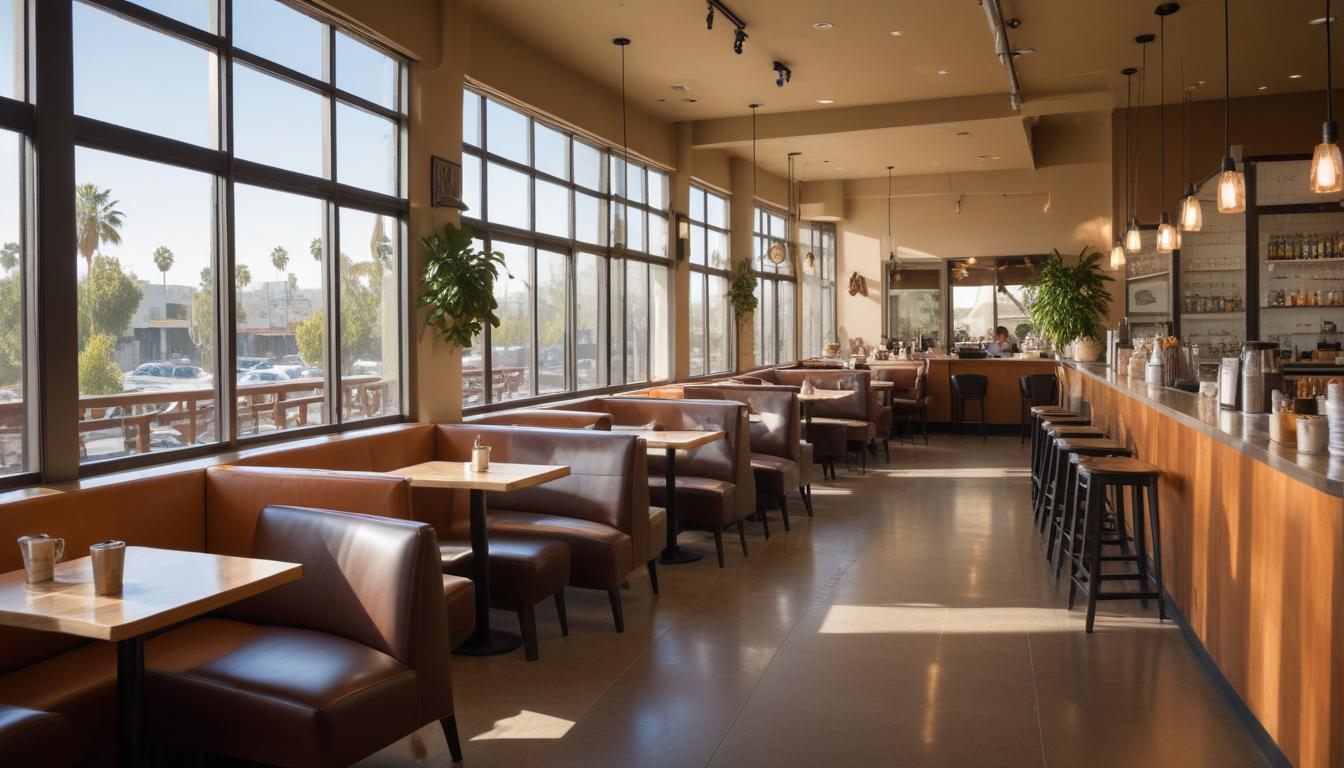
What makes Silver Lake genuinely different now isn't that it's become cheaper or trendier. It's that longtime residents—artists, service workers, young families—can actually envision staying. The neighbourhood's coffee culture remains excellent but isn't performative; the murals on Griffith Park Boulevard and Duane Street still reflect actual community artists rather than branded installations; the vintage shops stock genuine finds rather than curated luxury goods.
The Eastside Community Center's expanded programming, funded through a 2025 city bond measure, now offers affordable arts classes, youth sports leagues, and community dinners that have rebuilt intergenerational connections fractured by rapid turnover.
Silver Lake's current moment suggests something increasingly rare in Los Angeles: a neighbourhood maturing into livability rather than collapsing into homogeneity or displacement. It's not Instagram-perfect. It's better—it's actually liveable.
This article was compiled by AI from the sources linked above and screened before publishing. See our editorial standards.