From Silver Lake to Santa Monica: Inside the Neighbourhood Character That Defines LA's Greatest Green Spaces
As summer heat peaks, we explore how five distinct communities have shaped the culture and identity of their beloved parks.
As summer heat peaks, we explore how five distinct communities have shaped the culture and identity of their beloved parks.
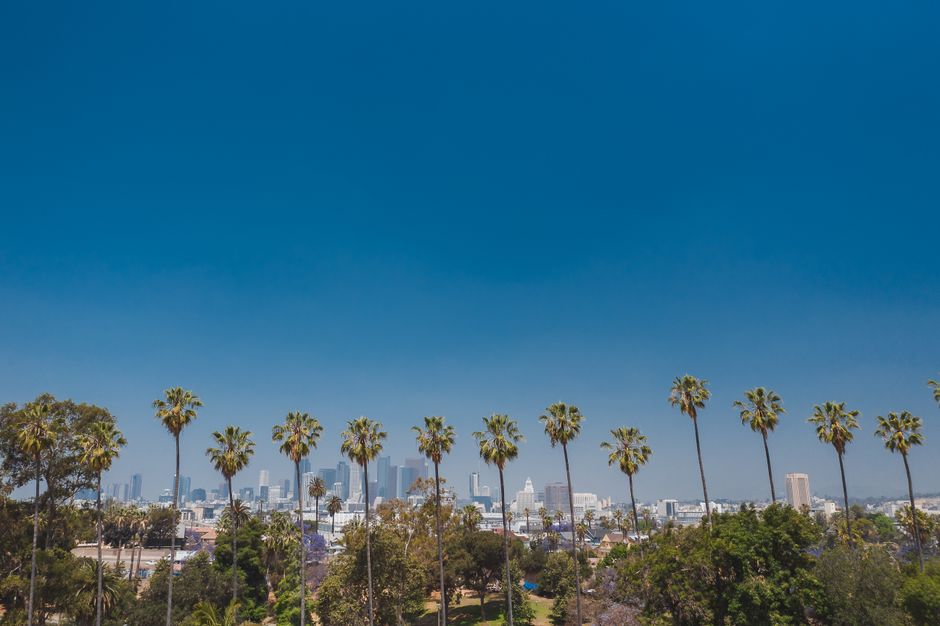
Los Angeles has transformed its relationship with outdoor spaces over the past decade, and nowhere is that shift more visible than in the neighbourhoods that have claimed their local parks as genuine community anchors. From Sunday morning tai chi in Echo Park to weekend volleyball tournaments in Manhattan Beach, these green spaces tell the story of who we are.
Silver Lake's neighbourhood character crystallises around Ivanhoe Reservoir Park, where the recent restoration has attracted a mix of young families, artists, and long-time residents. The tree-lined paths now draw roughly 2,000 visitors weekly, according to local neighbourhood councils, transforming what was once overlooked into a gathering point. The surrounding streets—overflow parking on Rowena Avenue, coffee at nearby Intelligentsia—reveal a community invested in their slice of nature.
Head east to Lincoln Park in Boyle Heights, and you'll witness a different energy entirely. This 60-acre space serves predominantly Latino and immigrant communities, with weekend asados (barbecues) filling the air with the scent of grilled meat and conversation in Spanish. The park's recreation centre hosts free summer programmes; locals estimate over 5,000 people move through on peak Saturdays, making it less a refuge from the city than an expression of neighbourhood identity itself.
In West Hollywood, Kings Road Park represents something else: hyperlocal density. At just 4.3 acres, it's become the neighbourhood's living room, a pocket park where dog owners, young professionals, and long-term residents negotiate shared space with surprising grace. The adjacent streets—Kings Road's terraced houses, the manicured hedges—create an almost European intimacy rare in sprawling LA.
Santa Monica's Palisades Park offers perhaps the most aspirational version of this phenomenon. Perched above the Pacific, the 26-acre ribbon of green commands $2.5 million-plus properties nearby and draws visitors from across the region. Yet locals fiercely guard its character—the Tuesday morning walking groups, the sunset runners, the Friday evening musicians—preserving it as community property despite the surrounding wealth.
These parks work because they've become extensions of their neighbourhoods rather than destinations unto themselves. They reflect the people who live around them: their values, their routines, their rhythms. That's what separates a well-maintained green space from a genuine community gathering place. As LA continues to densify, these parks—and the neighbourhoods that sustain them—offer something increasingly precious: a mirror to who we actually are.
This article was compiled by AI from the sources linked above and screened before publishing. See our editorial standards.
How does this story make you feel?
Spread the word
About this article
Published by The Daily Los Angeles
Daily brief
Free, in your inbox before 7am. Weekdays.
More in lifestyle